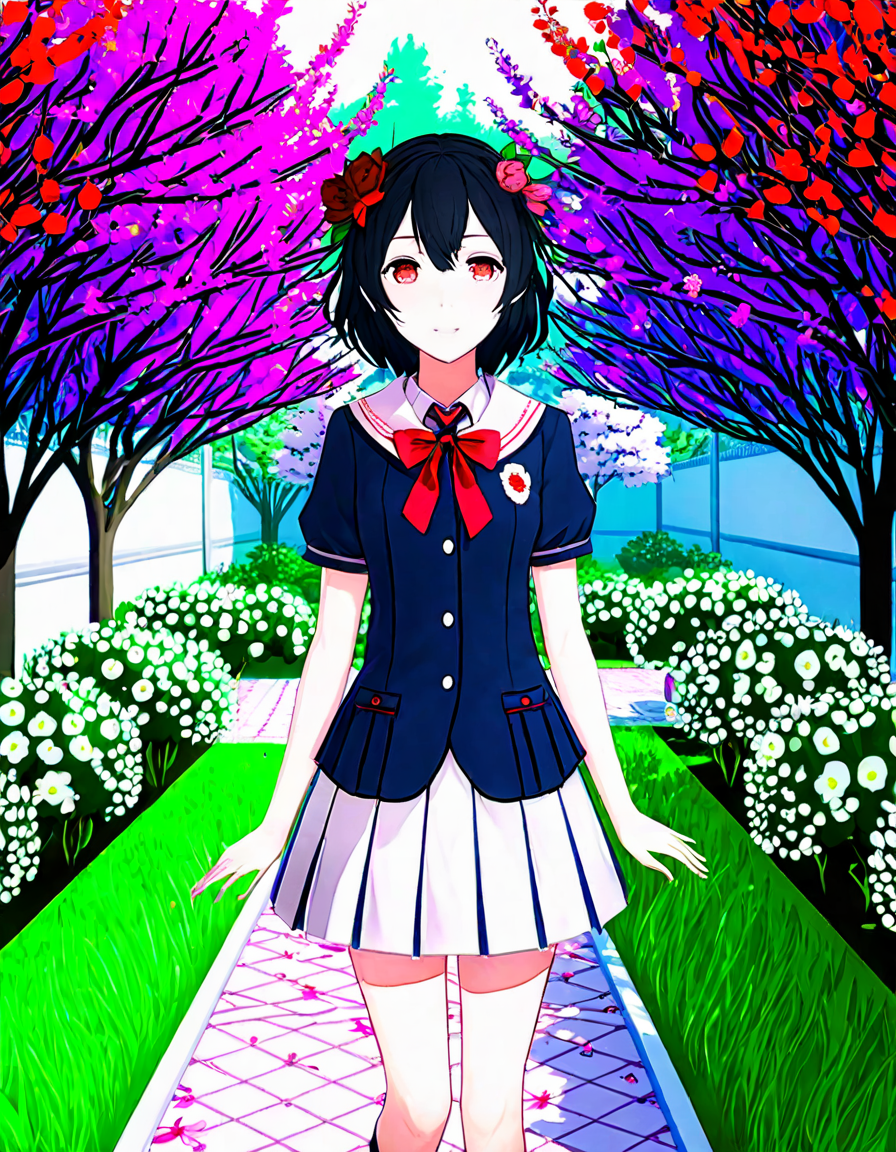

The Allure of Yandere Simulator: Why Players Can’t Look Away
Since its debut in 2014, Yandere Simulator has become a magnetic force for gamers and cinephiles alike. This indie darling combines stealth, strategy, and a hearty dose of psychological horror, all set within the thrilling yet troubling world of high school. Players dive into the psyche of Ayano Aishi, a girl who would go to shocking lengths to win the heart of her crush, affectionately referred to as Senpai. And trust me, it’s only the beginning of the madness.
At its core, Yandere Simulator sends players on a rollercoaster ride through the tangled web of teenage emotions and social dynamics. Think of it as a twisted love letter, filled with dark humor and sharp commentary on obsession. From the gripping personalities of the supporting cast to the intricacies of Ayano’s relationships, the game has something for everyone—much like an engaging film packed with compelling characters and unexpected twists. If you’ve ever binge-watched a show like “13 Reasons Why,” you’ll understand just how deep and raw these themes can get.
But why does it keep pulling players back? It’s a combination of rich character interactions, compelling gameplay, and the ability to explore the consequences of extreme obsession—paralleling films like “Fatal Attraction” and “Gone Girl.” The chilling atmosphere and the suspense really keep you on the edge of your seat, making it challenging to put down the controller. As in cinema, where a brilliant plot twist can send you reeling, Yandere Simulator keeps players guessing with its unpredictability.
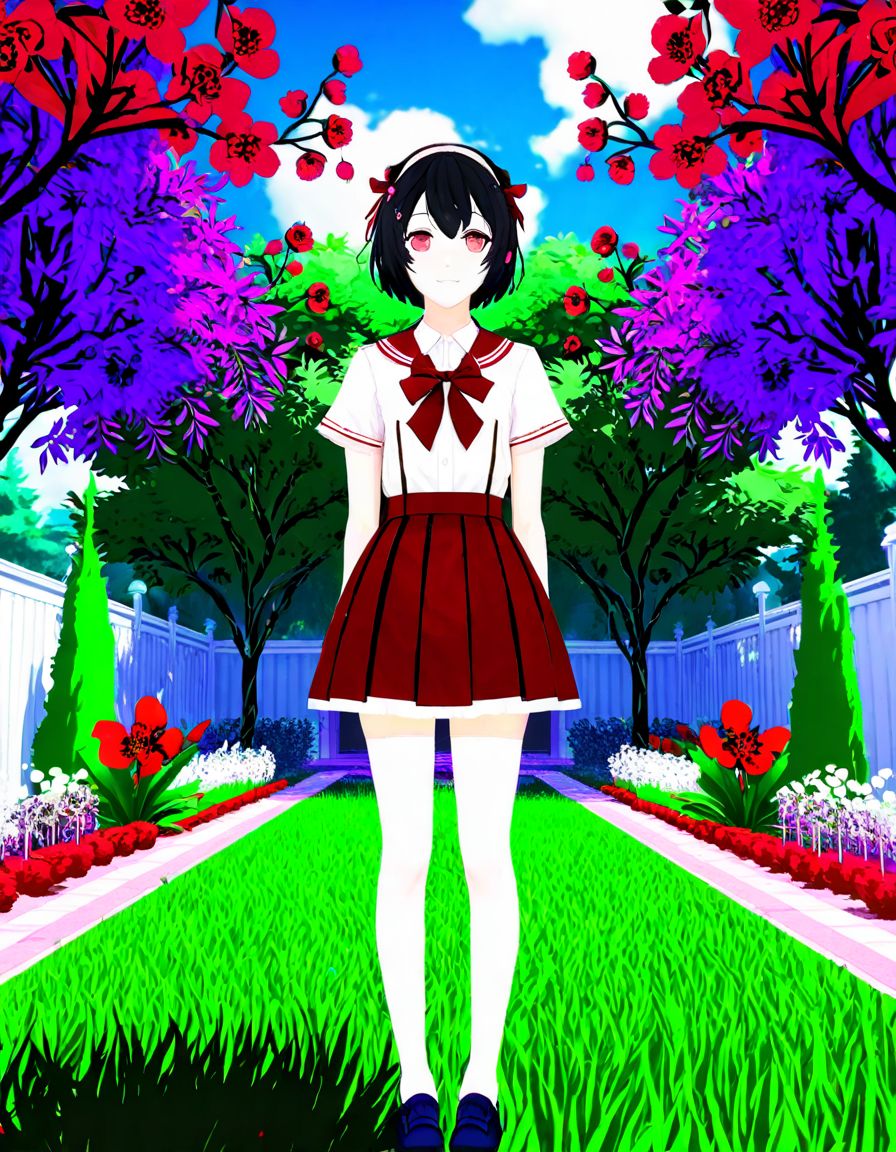
Top 7 Secrets That Make Yandere Simulator a Phenomenon
With its intense focus on relationships, Yandere Simulator emphasizes how relationships can sometimes spiral into chaos. Ayano navigates a landscape filled with friendships, rivalries, and even deadly alliances. Each choice reverberates through the game, offering a truly relatable experience to players who’ve ever had to juggle the treacheries of high school life. The interactions here mirror what we’ve seen in cult classics like “Heathers,” where social politics can turn deadly.
One standout feature is how Yandere Simulator cleverly weaves different gameplay styles together, from stealthy assassinations to acting as a social puppet master. Players get to experiment with various methods of eliminating rivals or creating diversions, echoing the gameplay strategies in beloved franchises like Hitman and Assassin’s Creed. This freedom provides endless replay value while encouraging creative problem-solving that resonates deeply with fans.
Ever wonder what drives someone to obsession? Yandere Simulator shines a light on this dark theme, prompting players to ponder deep issues of fixation and mental instability. Unlike many games that glorify violence, it explores the serious consequences—much like thrilling films that dive into the psychological depths of obsession. It’s not just a game; it’s a cultural conversation starter.
The game is steeped in anime culture and embraces the “yandere” trope—characters who take love to dangerously obsessive heights. For fans of shows like “Future Diary” or “School Days,” Ayano will ring familiar bells. These references enrich the narrative, providing a cultural backdrop that resonates with an audience steeped in anime fandom.
The power of the community behind Yandere Simulator is truly remarkable. From mods to fan art and user-generated content, players have cultivated an environment that’s alive and thriving. Websites and forums are filled with strategies, theories, and creative interpretations, reminiscent of how Reddit springs to life over an upcoming blockbuster or a hot celebrity gossip thread. It unites fans and fuels ongoing buzz around the game.
The horror in Yandere Simulator isn’t just about jumpscares; it digs into unsettling themes blended with intentional comedic elements. The juxtaposition between Ayano’s innocent crush and her terrifying methods creates a tension that forces players to grapple with their own moral compass. Just like the psychological intricacies of films like It Follows, it delivers a haunting experience that lingers long after the game ends.
Fast forward to 2026, Yandere Simulator continues to grow and evolve, uncovering new realms of gameplay and storytelling. With regular updates that expand character arcs and introduce new locations, it reflects a dedication to refining the player experience. It’s akin to how video games like Fortnite and No Man’s Sky have transformed through player interaction and developer engagement, showing that Yandere Simulator is here to stay.
A Lasting Impact on Gaming Culture
To sum it up, Yandere Simulator isn’t just a game; it’s a significant commentary on obsession, social connections, and the darker corners of affection. Its innovative mechanics and cultural insights have sparked deep conversations, making it a staple in the indie gaming world. The collision of horror and humor, coupled with an embracing community, keeps players hooked and generates excitement, just like the buzz surrounding Freya Allan Movies And TV Shows or the latest documentaries on cinema.
Whether or not you’re a gamer, the conversations sparked by Yandere Simulator transcend traditional gaming discussions, resonating with cinephiles and cultural critics alike. As we anticipate its future evolution, we can expect it to inspire future projects, compelling developers to explore themes that break the mold. In the grand tapestry of gaming history, it’s a thread that’s woven with psychological thrills and community spirit, making it a must-watch phenomenon for all enthusiasts.
Yandere Simulator Secrets Behind The Obsession Game
Obsessed Fans and Controversies
The yandere simulator has captivated players with its mix of romance and dark humor, leading to rave reviews and fervent fan discussions. One aspect that fans can’t stop talking about is the fascination with the game’s vigilante protagonist, who’ll do anything for love—literally. However, this obsession transcends the gaming experience, with some players showcasing their devotion through merchandise and fan art. Take the popularity of Lio Tipton in various roles; her performances often parallel the intense emotions found in yandere characters, tapping into that same vein of obsession. On the flip side, the game has sparked controversies, with players like Nicola Porcella becoming unwittingly involved in discussions about its content and themes.
The Real-World Inspirations
Moreover, the yandere simulator draws inspiration from several real-world elements that make it relatable yet chilling. Did you know that the town in which the game takes place is modeled after a real Japanese high school? This setting helps ground the game’s dark narrative. Likewise, the tensions of love gone wrong resonate with themes that classic actors like Diane Ladd embody in their films. Just as Ladd’s characters often navigate intricate relationships, players immerse themselves in this twisted love story, challenging morality and ethics. You could say that the yandere trope reflects a kind of societal obsession, mirroring our fixation with stories of extreme devotion and betrayal, much like the whispers of no in german that circle around the gaming community when discussing its more contentious elements.
The Summer’s Best Spot
Finally, what better way to unwind after a gaming session than to chill out at scenic spots? Think of Buckroe Beach, where sun, sand, and surf provide a perfect escape from the intense world of yandere simulator. Players often need a cooldown after plotting their next moves in the game, and relaxing at the beach compares to the cool efficiency of using a Lululemon cross body bag to keep essentials handy. These little contrasts between dark narratives and simple joys showcase the range of experiences that consuming such media can offer. As players dive deeper into the game, they uncover layers of obsession that are both thrilling and unsettling—strong enough to keep fans coming back for more while appreciating the lighter side of gaming life.