
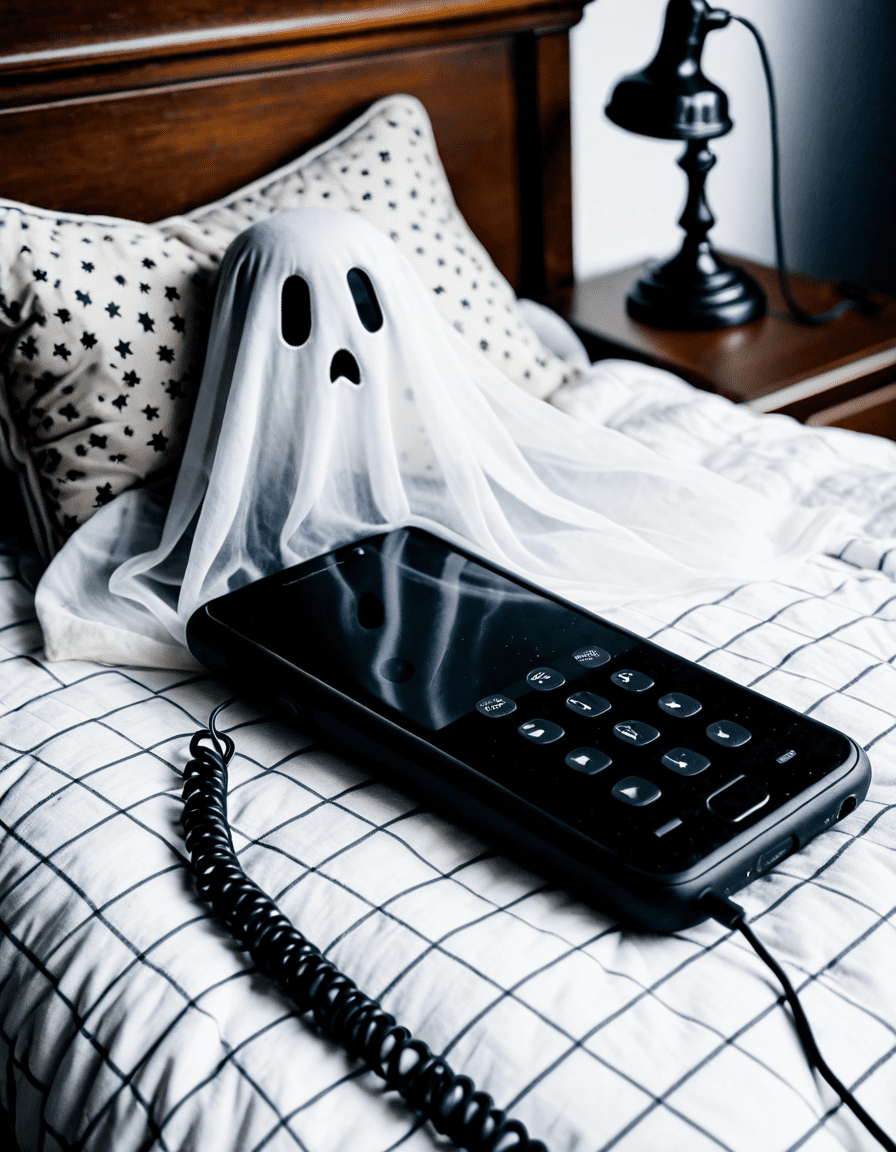
The Captivating Horror of the Black Phone: Unpacking the Haunting Theme of Child Abductions
The “Black Phone” isn’t just another horror flick; it’s a gripping exploration of the chilling realities behind child abduction, hitting all the right notes to leave audiences clamoring for more. Directed by Scott Derrickson and released in 2022, this film shines a light on the fears that haunt parents everywhere. With its eerie narrative and realistic portrayal of danger, “Black Phone” taps into a raw, primal fear – the vulnerability of children, making it more than mere entertainment; it’s a reflection of society’s darker corners.
Scary stories are nothing new. However, “Black Phone” distinguishes itself by weaving psychological horror with genuine social commentary. The film’s premise revolves around a young boy who finds himself in a world full of dread, facing not only his captor but supernatural elements that enhance the tension. It forces viewers to confront the uncomfortable truth about child safety, giving audiences more than just a scare – it gives them a reason to think.
How does the movie do this? By grounding its chilling plot in real-world fears, “Black Phone” resonates deeply. It makes us wonder, what if this were our reality? The film mirrors genuine cases that keep parents up at night, wrapping its ghostly narrative in a cloak of realism that leaves the audience both terrified and reflective.

Top 5 Child Abduction Themes and Their Impact on Horror Cinema
The world of horror has often tapped into the fear of child abduction, and “Black Phone” is no exception. Its haunting allure is echoed in various films that resonate with similar themes. Let’s take a look at five flicks that elevate this terrifying trope:
1. Room (2015)
In “Room,” the heart-wrenching story of a mother and her son held captive makes the horror painfully real. Viewers witness the mental and emotional scars left behind, pushing them to face the ugly aftermath of abduction and trauma. It’s an emotional rollercoaster that leaves you gasping for air.
2. Taken (2008)
Who can forget Liam Neeson’s legendary performance as a father seeking vengeance in “Taken?” This action-packed thriller sets a high bar for abduction narratives. It highlights the grim reality of child trafficking, stirring conversations on safety and family bonds while delivering heart-racing adventure.
3. The Chaser (2008)
East Asian cinema has its own terrifying takes, with “The Chaser” being a standout. The cat-and-mouse chase between a relentless serial kidnapper and a desperate protagonist amplifies the tension. The film leaves audiences jumping at shadows, as it echoes the chilling thought that danger can be closer than it appears.
4. Gone Baby Gone (2007)
Ben Affleck’s directorial debut “Gone Baby Gone” dives into the moral quagmires surrounding child abduction. By placing viewers at the intersection of parental responsibility and societal complicity, the film raises uncomfortable questions that linger long after the credits roll.
5. The Lovely Bones (2009)
Alice Sebold’s haunting narrative unfolds in “The Lovely Bones,” where a young girl watches over her family after being abducted. This supernatural perspective digs into the psychological toll on both victims and their families, making it an unforgettable meditation on loss and longing.
The Role of Suspense and Fear in the Black Phone
What elevates “Black Phone” into the realms of horror mastery is its artful use of suspense. The film is a masterclass in utilizing sound, lighting, and pacing to build an atmosphere steeped in dread. The titular phone, acting as a bridge between the living and the deceased, heightens the supernatural elements without detracting from the real fears it portrays.
As haunting images flicker across the screen, The Newton Brothers’ score underpins the tension brilliantly. The chilling sounds merge seamlessly with the visual narrative, drawing viewers deeper into the movie’s dark heart. It’s a combination of craft that keeps audiences at the edge of their seats, transforming mundane moments into sheer terror.
Moreover, the film isn’t purely about jump scares; it takes its time crafting moments of unease that linger long after viewing. The ominous build-up creates an engaging experience, forcing viewers to grapple with both the horror on screen and their own worries about safety – a clever psychological trick that sticks with you.
Analyzing the Message: Child Safety and Social Commentary
Beyond the scares, “Black Phone” boldly critiques the negligence surrounding child safety. It holds a mirror to society, exposing the uncomfortable truths of parental responsibilities and community apathy. The film tackles deep societal issues, ultimately asking viewers to rethink their understanding of child safety.
By framing these pressing concerns within a supernatural narrative, the film underscores the urgency of vigilance in protecting innocent lives. That resonates powerfully in today’s climate, where conversations about child abduction are more relevant than ever. It’s not just a horror story; it’s a reminder to stay aware and proactive about child safety.
Throughout “Black Phone,” the psychological scars left by abduction are woven intricately into the fabric of the plot. It leaves the audience questioning their roles and responsibilities in nurturing a safer environment for children. That depth transforms a simple horror tale into a meaningful exploration of human fears.
Cultural Reflections and the Legacy of the Black Phone
As we head into 2026, “Black Phone” stands as a pivotal work in horror cinema, intersecting with ongoing discussions about child safety and familial bonds. Its haunting exploration of abduction continues to resonate, leaving an indelible mark on how we perceive these narratives on screen.
The film’s legacy doesn’t solely lie in its capacity to terrify; it compels creators to confront the shadows lurking in our society. By engaging with complex social issues through gripping ghost stories, filmmakers have a unique opportunity to inspire change and raise awareness.
“Black Phone” reinforces the potential that storytelling holds in addressing the critical social issues of our time. It pushes the narrative boundaries, compelling horror enthusiasts to reflect on the deeper implications while still savoring the thrill ride. With its profound implications and rich symbolism, this film is sure to echo throughout the future of horror cinema, urging creators to give voice to the fears that keep us awake at night.
So, the next time you’re scrolling through the streaming platforms looking for something to binge or diving into celebrity news, remember “Black Phone.” Grab the popcorn, dim the lights, and prepare for a journey that goes beyond mere screams. It’s not just a film; it’s a heartfelt exploration of fears that thrive just beneath the surface, and that makes it a must-watch on any horror buff’s list. Whether you’re a fan of cult classics or blockbuster hits, this chilling narrative is sure to stay with you long after the credits roll.
Black Phone Delights: Haunting Facts and Trivia
The Spine-Chilling Origins
Did you know “Black Phone” director Scott Derrickson took inspiration from childhood memories and urban legends? His quirky mix of nostalgia and horror paints a vivid picture of fear, much like the aesthetic found in the iconic anime Akira. The film’s eerie portrayal of child abductions taps into something primal, making it unsettling yet relatable. Interestingly, the film was shot against a backdrop that accentuated the 1970s vibe, a trend that’s also reflected in pop culture, like the quirky fashion choices seen in shows like Emily in Paris Season 4.
The Cast of Characters
The film features a talented cast, including the rising star Amanda Schull, who brings a compelling performance to the table. You might remember her from various roles that capture her knack for portraying tension and vulnerability. Speaking of iconic characters, if you’re a fan of animated series, you might find that the undercurrents of fear and responsibility in “Black Phone” resonate oddly with the adventures of Paw Patrol Characters. It’s fascinating to think about how diverse storytelling can invoke both joy and dread!
Fun Facts That’ll Give You Goosebumps
Here’s a chilling tidbit: the chilling concept of communicating with past victims through a “black phone” is not just a horror trope; it reflects a genuine fear that many share—of helplessness against an unseen threat. Also, did you realize that the haunting atmosphere created is soundtracked in part by Amy Brennemans melancholic reflections? The film’s tension is beautifully balanced with moments that almost feel like a breath of fresh air, much like how scented Candles create a sense of calm amid chaos. And while horror fans eagerly await details about the next big animated flick, Frozen 3, thrill-seekers are buzzing about the movie’s legacy, with some even likening it to the riveting storytelling in True Detective Season 1.
In the haunting tapestry of “Black Phone,” each thread weaves a story of terror, nostalgia, and an exploration of childhood fears, keeping viewers thematically engaged and eager for more.