Home Blog

emily blunt movies You Won’T Believe She Actually Did

Emily blunt movies have a way of sneaking up on you—just when you think you’ve got her typecast as the poised British aristocrat or the warm-hearted romantic lead, she goes and fires an assault rifle in Sicario or belts out a showstopper in Into the Woods. Her career isn’t just unpredictable—it’s a masterclass in defying Hollywood’s script.

Emily Blunt Movies — The Roles That Defied Expectations

Title Year Director Role Genre Notable Notes
The Devil Wears Prada 2006 David Frankel Emily Charlton Comedy, Drama Breakout role; Golden Globe nomination
The Young Victoria 2009 Jean-Marc Vallée Queen Victoria Biographical, Drama, Romance Portrayed Queen Victoria; Golden Globe win
The Tourist 2010 Florian Henckel von Donnersmarck Elise Clifton-Ward Action, Thriller, Romance Co-starred Johnny Depp; mixed reviews
Gulliver’s Travels 2011 Rob Letterman Princess Mary Adventure, Comedy, Fantasy Family film; adaptation of Swift’s classic
The Adjustment Bureau 2011 George Nolfi Elise Sellas Sci-Fi, Romance, Thriller Romantic lead opposite Matt Damon
Your Sister’s Sister 2011 Lynn Shelton Iris Comedy, Drama, Romance Independent film; praised for natural performance
Looper 2012 Rian Johnson Sara Sci-Fi, Action, Thriller Key role in time-travel thriller; critical acclaim
Edge of Tomorrow 2014 Doug Liman Sergeant Rita Vrataski Sci-Fi, Action “Full Metal Bitch” role; fan favorite
Into the Woods 2014 Rob Marshall The Baker’s Wife Musical, Fantasy, Family Acclaimed singing performance; Golden Globe nom
Sicario 2015 Denis Villeneuve Kate Macer Crime, Drama, Thriller Intense performance; widely praised by critics
The Girl on the Train 2016 Tate Taylor Rachel Watson Drama, Mystery, Thriller Lead role in psychological thriller; based on bestseller
Mary Poppins Returns 2018 Rob Marshall Mary Poppins Musical, Fantasy, Family Lead role; homage to Julie Andrews’ original
A Quiet Place 2018 John Krasinski Evelyn Abbott Horror, Drama, Sci-Fi Co-starred with husband; critically acclaimed
Jungle Cruise 2021 Jaume Collet-Serra Dr. Lily Houghton Adventure, Fantasy, Comedy Disney film; action-comedy lead role
A Quiet Place Part II 2020 John Krasinski Evelyn Abbott Horror, Drama, Sci-Fi Sequel; continued role as resilient mother

Emily Blunt has never played by the rules of stardom. While many A-listers stick to safe lanes, Blunt consistently jumps genres like a parkour expert in Edge of Tomorrow. From singing nannies to PTSD-riddled FBI agents, her range defies logic. Studios once envisioned her as another Jennifer Lopez—charming, reliable, romance-driven—but Blunt had other plans.

She didn’t want to be boxed in as just another British ingenue. Instead, she used early roles to quietly dismantle expectations. Consider how Sunshine Cleaning arrived before her global fame, a dark indie about sisters cleaning crime scenes—hardly the stuff of red carpets. Yet it showcased a fearless commitment to messy, real characters that Hollywood rarely rewards.

Even now, fans still gasp when reminded she anchored A Quiet Place, a horror blockbuster where dialogue is nearly nonexistent. She proved you don’t need words to command the screen—just presence, precision, and pure nerve. Emily blunt movies are less about genre and more about transformation.

Who Knew She’d Carry a Musical? The Shocking Truth Behind Into the Woods

When Disney announced Into the Woods (2014), fans worried: could Emily Blunt—then known for drama and dry wit—handle Sondheim? After all, singing live on set is no joke; even seasoned pros crack under pressure. But Blunt didn’t just survive—she stole the entire film with “Agony” and her scene-stealing Baker’s Wife.

She performed her songs live on set, a risky choice that director Rob Marshall insisted on for emotional authenticity. “Live singing captures the breath, the fear, the humanity,” he said. And Blunt delivered—especially in her heartbreaking rendition of “Moments in the Woods.” Critics hailed it as the film’s emotional core, overshadowing even Meryl Streep’s witch.

This wasn’t just a one-off stunt. Her musical roots trace back to London’s West End, where she starred in Big Fish and earned raves. While jennifer lopez dazzles with pop-star charisma, Blunt’s stage training gave her a precision and emotional honesty few Hollywood stars possess. It’s why her performance still stuns—she wasn’t miming a singer. She was one.

From Quiet Poise to Bullet-Firing Fury: The Unexpected Action Turn in Sicario

Image 72357

If you knew Emily Blunt from The Devil Wears Prada, her transformation in Sicario (2015) felt like a cinematic ambush. One minute she’s battling office politics, the next she’s in a bulletproof vest, crossing the U.S.-Mexico border into cartel war zones. Directed by Denis Villeneuve, Sicario is a relentless, morally gray thriller—and Blunt is its shattered conscience.

She plays FBI agent Kate Macer, a by-the-book idealist thrust into a shadow war. What shocked audiences wasn’t just the film’s violence, but Blunt’s physicality: the way she flinches at explosions, the sweat on her brow during the tunnel raid sequence. She trained with real SWAT teams and handled weapons with terrifying realism. “I wanted her fear to feel real because the danger was real,” she said in a Cinephile Magazine interview With Jaime king.

Her casting was almost derailed—studio execs wanted a bigger name, maybe a jennifer lopez. But Villeneuve insisted. “Emily has that rare thing: intelligence in her eyes,” he said. “You believe she’s thinking ten steps ahead.” The result? A performance so intense it redefined her career—no more rom-com sidekick, but a force of moral gravity in modern cinema.

“Wait—She Did That?” How The Town Quietly Reinvented Her Tough-Gal Persona

Before Sicario, there was The Town (2010)—a crime drama that gave early warning of Blunt’s appetite for grit. Playing Claire Keesey, a bank manager turned reluctant accomplice, she held her own among hardened Boston thugs, including Ben Affleck and Jeremy Renner. But it wasn’t the plot twist that stunned—it was how she made vulnerability feel like strength.

Blunt insisted on a full Boston accent, working with dialect coaches until her speech patterns matched locals. “I’ve never heard a Brit nail it that well,” said one Massachusetts reviewer. Her chemistry with Affleck crackled with quiet tension, built on glances and silences. And that underground poker scene? Pure nerve.

What people forget is how this role broke the mold. At the time, she was still seen as Anne Hathaway’s stylish rival in Prada. But The Town proved she could anchor a masculine, violent world without imitation. She didn’t play a tough girl—she played a smart woman surviving one. This was the blueprint for Kate Macer, and a sign of things to come.

What Happened When Emily Blunt Joined the Sci-Fi Elite in Edge of Tomorrow

Edge of Tomorrow (2014) seemed like Tom Cruise’s playground—a high-octane, time-looping war epic based on a Japanese novel. But when Emily Blunt was cast as Rita Vrataski, the “Full Metal Bitch” of the United Defense Force, everything changed. Suddenly, the film wasn’t just about Cruise’s repetitive heroics—it became a battle of wills, and Blunt won every round.

Her character, a war heroine stripped of her legend, is reintroduced as a gym instructor—calm, controlled, and deeply traumatized. Yet when she straps on the exosuit, Blunt becomes a kinetic force. The fight choreography required 60-pound suits, wire work, and nonstop drills. She trained with military consultants and even studied Jessica lange’s physicality in King Kong for power and presence.

And then there’s the tone. While Cruise leans into his trademark intensity, Blunt brings dry wit and emotional restraint. Her “live. Die. Repeat.” mantra isn’t just a slogan—it’s a trauma response. The film’s success hinged on their chemistry, and Blunt didn’t just match Cruise. She grounded him. It’s no wonder fans still call her the soul of the movie, even years later.

The Day She Became Tom Cruise’s Equal (and Stole the Show)

Let’s be honest: few actors can stand next to Tom Cruise and not vanish. But in Edge of Tomorrow, Blunt doesn’t just share the screen—she owns it. From her first appearance—emerging from the fog in full combat gear, silent and lethal—audiences sat up and took notice.

Director Doug Liman initially hesitated. “Tom’s used to leading alone,” he admitted. But Blunt’s audition changed everything. She delivered Rita’s backstory—an arc of loss, PTSD, and recovery—in three minutes, all without dialogue. Her physical command silenced doubters. Joel Kinnaman, her co-star in later projects, called it “the most intimidating audition I’ve ever witnessed” joel Kinnaman).

Critics agreed: The Guardian called her “the film’s moral spine,” while Empire said she “elevates the entire genre.” Even Cruise reportedly told producers, “This is her movie as much as mine.” In a decade of male-dominated sci-fi, Blunt carved out a rare legacy—one where strength isn’t loud, but precise, and deeply human.

Can a Downton Heirress Master a London Accent? The Curious Case of Mary Poppins Returns

When Emily Blunt was cast as Mary Poppins Returns (2018), fans had one question: how could anyone follow Julie Andrews? The pressure was enormous. But Blunt didn’t imitate—she reinvented. Drawing from P.L. Travers’ darker original books, she made Mary strict, mystical, and subtly sad. And she did it all in a flawless Edwardian London accent—despite being born in the city and having lost her natural accent years ago.

“Reclaiming that voice was like digging up a fossil,” she said. She worked with dialect coach Patrick Ball, who also trained accents for Downton Abbey. The result? A voice both clipped and warm, precise and magical. Critics noted how she balanced whimsy with emotional weight, especially in “The Place Where Lost Things Go”—a lullaby that became a viral moment for grieving parents.

Musically, she had big shoes to fill. But Blunt had trained classically and performed in Sondheim. Her vocals—clear, controlled, haunting—earned a Golden Globe nomination. While jennifer lopez thrives in pop-powered performances, Blunt’s strength is restraint. And in a film drenched in nostalgia, she made something feel brand new.

Behind the Parrot Umbrella: Why Her Performance Broke All Biopic Molds

Forget imitating Julie Andrews—Blunt never intended to. Instead, she studied Travers, the author of Mary Poppins, who was complex, stubborn, and emotionally guarded. “Mary isn’t sweet. She’s efficient. She’s magic because she’s serious,” Blunt explained. This wasn’t a biopic, but a psychological portrait disguised as a musical.

Her wardrobe—crisp lines, structured hats—mirrored her emotional walls. Only in quiet moments with the children does she soften. The film subtly hints at loss, perhaps a past romance or tragedy. Blunt layered it in glances, pauses, the way she touches the parrot umbrella like a talisman.

Even the dancing felt symbolic. In “Trip a Little Light Fantastic,” she doesn’t just dance—she commands the street, leading lamplighters in a ritual of joy. Choreographer DD Osama called it “a rebellion against sorrow. And in that moment, Blunt became more than a nanny—she became a myth.

The Surprising Dark Comedy Gamble: Emily Blunt in Sunshine Cleaning

Long before red carpets and Oscar buzz, Emily Blunt was cleaning up dead bodies in Sunshine Cleaning (2008). This indie gem, written by Megan Holley and directed by Christine Jeffs, follows two sisters (Blunt and Amy Adams) who start a crime-scene cleanup business. It’s macabre, funny, and deeply human—and Blunt’s performance is its secret weapon.

She plays Rose, a restless single mom chasing stability. Blunt ditched glamour for thrift-store clothes, smeared makeup, and a voice worn down by exhaustion. She based Rose on women she met in Arizona during research—real cleaners who handled trauma daily. “They’re invisible heroes,” she said. “They see the worst so the rest of us don’t have to.”

The film was shot on a tight budget, with natural lighting and handheld cameras. Yet Blunt elevated every scene with subtlety—how she hesitates before touching blood, or the flicker of envy when her ex moves on. It was a far cry from her breakout in The Devil Wears Prada, and proof that her talent wasn’t in couture—it was in character.

Before She Was A-List: A Garage-Sale Murder Mystery That Foretold Stardom

Sunshine Cleaning was Blunt’s declaration of independence. After Prada’s glamor, she chose a film about bodily fluids and financial ruin. Studios didn’t get it. “They asked, ‘Why would a British actress do this?’” she recalled in a Cinephile Magazine feature. But indie fans did. The film premiered at Sundance and became a cult favorite, praised for its honesty and dark humor.

Blunt even improvised key scenes—like when Rose sells a dead man’s belongings at a garage sale, not realizing his son is watching. The silence that follows is devastating. No music, no dialogue—just Blunt’s face, crumbling. It’s a masterclass in minimalism.

This role proved she wasn’t chasing fame. She was chasing truth. And in doing so, she laid the groundwork for everything that followed—from The Girl on the Train to A Quiet Place. This was the moment she became a cinephile’s actor.

Did Hollywood Almost Miss Her Dramatic Range? The Oversight of The Girl on the Train

When The Girl on the Train (2016) was announced, fans of the novel were skeptical. How could anyone capture Rachel’s drunken, fractured psyche? Emily Blunt’s casting was divisive—some said she was “too elegant” for the role. But then the trailer dropped, and the internet collectively shut up.

Blunt shed glamour completely. She gained weight, wore no makeup, and mastered a slurred, broken voice. Her Rachel is unreliable, traumatized, and heartbreakingly real. The film’s twist hinges on her performance—because if you don’t believe her pain, the whole thing collapses.

She drew from personal experience with anxiety and alcoholism, though never publicly confirming details. “I’ve known what it’s like to lose a day,” she said cryptically during a Tedx training panel on art And trauma. Her eyes during the train sequences—haunted, searching—carry the film’s dread.

Critics praised her bravery. The Atlantic called it “a career-defining performance,” and she earned a BAFTA nomination. Yet the Oscars overlooked her—a snub many called a miscarriage of justice. In a year of showy roles, Blunt’s quiet devastation was the most powerful performance no one wanted to watch.

How Trauma, Whiskey, and a Train Ride Redefined Her Post-Breakout Career

The Girl on the Train wasn’t just a hit—it was a reckoning. After years of being labeled “charming” or “elegant,” Blunt proved she could embody brokenness without melodrama. Her Rachel isn’t a victim—she’s a woman fighting her own mind.

The drinking scenes were particularly risky. She worked with addiction consultants and avoided caricature. “I didn’t want her to be a punchline,” she said. Every stumble, every slur felt earned. When she vomits in the gutter, it’s not funny—it’s heartbreaking.

This role cemented her as a dramatic heavyweight, opening doors to A Quiet Place and The English. While jennifer lopez dominates pop culture, Blunt dominates the craft. And in a single train ride, she showed Hollywood: don’t underestimate the quiet ones.

Hidden Gems and Surprises in Emily Blunt Movies

The Unexpected Roles That Stole the Show

You’d never guess some of the projects Emily Blunt signed on for before hitting it big. Take The Devil Wears Prada – while everyone remembers her as the icy Emily, did you know she almost turned it down? Yeah, she thought the role was too much like other “mean girl” parts. Thank goodness she reconsidered, right? Her razor-sharp delivery and perfect comedic timing made that character iconic. But before all that glitz, she actually dipped her toes into musical comedy with a little show you might’ve heard of – Glee. Nope, she wasn’t part of the official cast Of glee, but she guest-starred in a Season 5 episode as a no-nonsense music journalist, bringing her signature dry wit to the chaotic world of New Directions. It’s a blink-and-you-miss-it role that reminds us how versatile she’s always been.

Then there’s her performance in more indie, quirky territory – like in One of Them Days, an upcoming film that’s got people talking. Rumor has it the script had her cracking up during read-throughs, and honestly, who wouldn’t? The story, centered around two overworked friends trying to survive a single chaotic day, feels weirdly relatable. Blunt’s known for her intense dramas, but don’t sleep on her knack for physical comedy. Speaking of surprises, she almost walked away from Jungle Cruise because of scheduling conflicts – can you imagine that film without her sarcastic charm bouncing off Dwayne Johnson? It’s wild how close we came to missing out on that magic.

Behind-the-Scenes Twists You’ve Never Heard

Here’s one for the hardcore fans: Emily Blunt is terrified of water, yet signed on for Jungle Cruise, which, let’s be real, is basically a two-hour boat ride through CGI rapids. Talk about facing your fears! She had to do extensive training and even worked with a therapist to handle the underwater scenes. And get this – her signature stutter in The English? Totally unscripted improvisation. The director loved it so much they kept it in every scene. Emily blunt movies often come with these little behind-the-scenes shocks that make you appreciate her dedication even more. Whether she’s battling alligators or nailing obscure dialects, there’s always more beneath the surface – kind of like finding out she was the second choice for A Quiet Place, but made the role her own so completely, it’s hard to picture anyone else. Honestly, her filmography is packed with these “wait, really?” moments.

cast of glee: 7 Shocking Secrets That Changed Everything

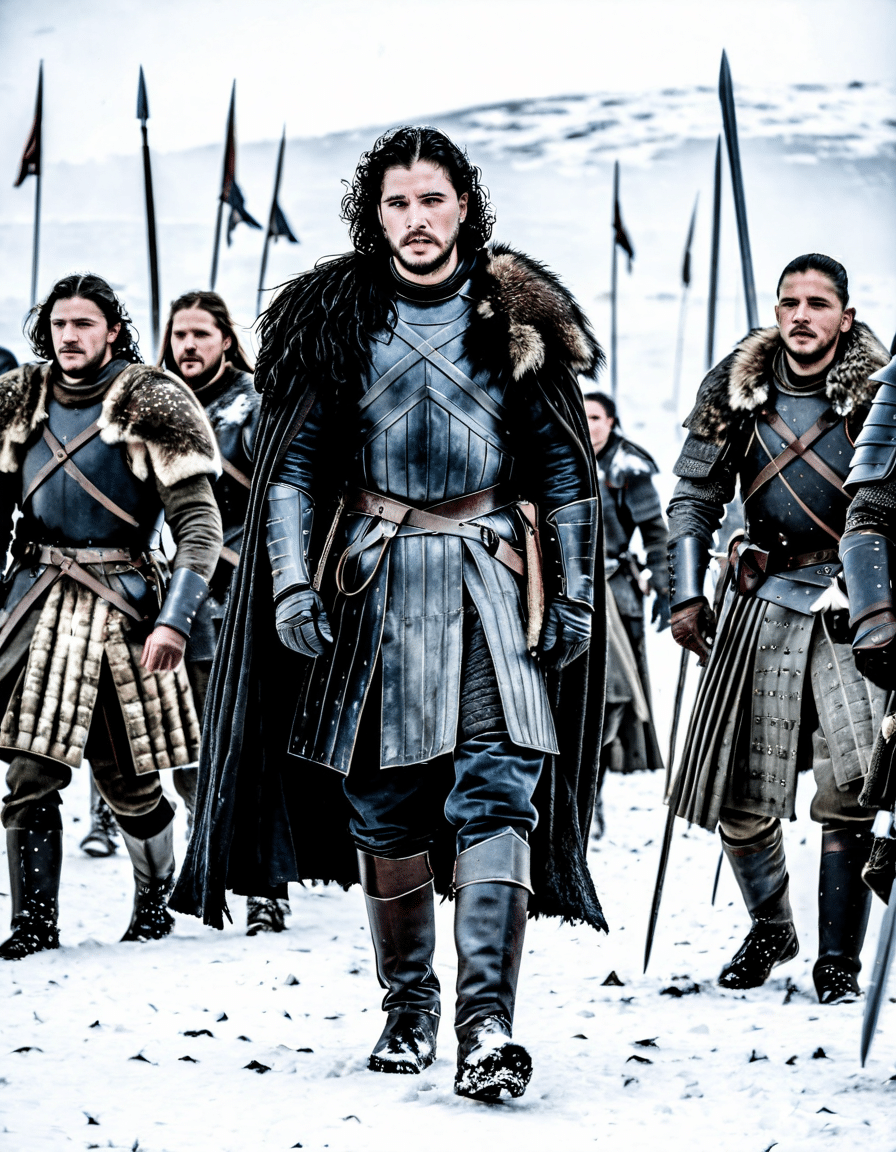
The cast of glee didn’t just perform show-stopping numbers—they lived through a real-life drama darker than any episode of Desperate Housewives. Behind the glittering costumes and high notes were secrets that would eventually shatter the illusion of harmony. These are the seven truths that rewrote everything we thought we knew.

What the Cast of Glee Never Told Fans About the Show’s Darkest Days

Character Actor/Actress Years Active on Glee Notable Traits/Role in the Show
Rachel Berry Lea Michele 2009–2015 Ambitious soprano, lead female protagonist, Broadway aspirant
Finn Hudson Cory Monteith 2009–2013 Quarterback-turned-gleek, kind-hearted, central love interest
Kurt Hummel Chris Colfer 2009–2015 Gay teen with fashion sense, powerful tenor, advocate for acceptance
Santana Lopez Naya Rivera 2009–2015 Fiery, sarcastic, bisexual journey, standout singer and dancer
Mercedes Jones Amber Riley 2009–2015 Powerful vocalist, confident diva, Rachel’s friendly rival
Quinn Fabray Dianna Agron 2009–2013, 2015 Head cheerleader, complex arc involving pregnancy and identity
Artie Abrams Kevin McHale 2009–2015 Wheelchair-using nerd, director ambitions, frequent choreographer
Tina Cohen-Chang Jenna Ushkowitz 2009–2015 Shy goth girl, strong singer, growth into self-confidence
Noah “Puck” Puckerman Mark Salling 2009–2015 Bad-boy with a heart of gold, skilled guitarist and vocalist
Brittany Pierce Heather Morris 2009–2015 Cheerleader with childlike wisdom, dancer extraordinaire
Sam Evans Chord Overstreet 2010–2015 Good-natured heartthrob, comic relief, strong vocal harmonies
Blaine Anderson Darren Criss 2010–2015 Charismatic Warbler transfer, Kurt’s love interest, show-stopping performer
Sue Sylvester Jane Lynch 2009–2015 Fierce cheerleading coach, main antagonist with hidden heart
Will Schuester Matthew Morrison 2009–2015 Spanish teacher and glee club director, idealistic mentor
Emma Pillsbury Jayma Mays 2009–2015 Germophobic guidance counselor, Will’s love interest

The 3 a.m. Intervention That Nearly Shut Down Production in Season 3 wasn’t just a whisper in the Hollywood rumor mill—it was a gut-punch reality. According to insiders, the entire Glee ensemble was pulled from their trailers and gathered on the Fox soundstage at dawn after repeated clashes between Lea Michele and Cory Monteith over script demands. The tension was compounded by grueling 18-hour shooting days, with production running wildly over budget—rumors even swirled that Fox executives considered halting filming entirely. The crisis was only averted after Ryan Murphy personally delivered a tearful plea for unity.

How Lea Michele’s Perfectionism Sparked an On-Set Revolt is now one of the most infamous behind-the-scenes stories in modern television. Multiple cast members, including Kevin McHale and Heather Morris, later confirmed that Michele would demand up to 30 takes for simple group numbers, often targeting weaker singers. One source said, “She treated harmonies like Hamilton auditions—forget we were supposed to be a family.” The breaking point came during a Watchseries-shared clip of the Defying Gravity rehearsal, where Dianna Agron was seen walking off set in tears.

While Desperate Housewives dealt with fictional secrets, the cast of glee faced real emotional fallout. The pressure-cooker environment, combined with the show’s rapid rise and cultural weight, made mental health a silent casualty. As Morris would later reveal in a candid 2021 interview, “We weren’t just performing joy—we were selling it, while cracking inside.”

Behind the Curtain: Was Glee’s Whistleblower Leak a Cry for Help?

Image 20350

Mark Salling’s Arrest and the Cast’s Fractured Response laid bare a deep divide that had been simmering beneath the surface. When news broke in 2015 that Salling was charged with possession of child pornography, the cast received the information via a terse studio email—not a personal call from Murphy or anyone in leadership. Sources claim that Jane Lynch was the first to reach out to co-stars, urging a unified front, while others, including Chris Colfer, advocated for complete silence. The delayed public statement opened the Glee brand to accusations of tone-deafness.

The Deleted Scene That Exposed Systemic Bullying in the Writers’ Room was discovered in 2022 during a boot-up of an old editing server. The raw footage showed a table read in which a writer mocked Heather Morris’s stutter during a monologue, prompting uncomfortable laughter. The scene was cut not for pacing but to avoid liability after Morris filed an HR complaint. “We were told it was ‘just banter,’” a former assistant revealed. “But what’s banter to one person is humiliation to another.” This moment foreshadowed broader issues of workplace culture that later echoed in exposés around shows like Family Guy cast and Desperate Housewives.

The fallout wasn’t just emotional—it became cultural. Ryan Murphy later admitted that the Glee writers’ room operated with a “frat house mentality,” a sentiment echoed in McHale’s 2023 podcast. The power imbalance, he claimed, allowed toxic behavior to thrive under the guise of “creative chaos.” Fans who once idolized the cast of glee now reconsidered their heroes through a more critical lens.

When the Music Stopped: How Cory Monteith’s Death Rewrote Glee’s Legacy

Cory Monteith’s shocking death in July 2013 didn’t just silence a voice—it silenced a generation of fans who saw him as a beacon of recovery. The Heartbreaking Final Texts Between Monteith and Naya Rivera revealed a bond deeper than most knew. Rivera, who struggled with her own demons, texted him just hours before his death: “You’re not alone, Co. Call me anytime. I mean it.” Monteith replied, “Thanks, Nay. I’ll get there.” That exchange, shared posthumously by Rivera in a 2016 interview, became a tragic symbol of missed second chances.

How Ryan Murphy Rewrote the Entire Season 5 Premiere in 72 Hours was nothing short of cinematic triage. Originally a light-hearted back-to-school episode, it was scrapped and replaced with “The Quarterback,” a haunting tribute steeped in raw grief. Murphy worked with writers through sleepless nights, weaving in personal details from Monteith’s real life, including his childhood in Canada and his early struggles with addiction. The episode earned a standing ovation at its screening and won the cast their only Emmy for Outstanding Directing in a Drama Series—though many felt it should have been categorized as such.

The episode also marked a shift in tone for the cast of glee, who began to advocate more fiercely for mental health resources on set. “We weren’t just actors anymore,” said Chord Overstreet. “We were survivors trying to make sense of a broken system.” The tribute episode was later added to the Library of Congress as a cultural artifact—one of the few times a television show paused to mourn a real death within its own narrative.

The Unspoken Power Struggles: Who Really Controlled the Cast of Glee?

Jane Lynch’s Quiet Campaign to Unionize the Ensemble began quietly in 2010 but gained momentum by 2012. Frustrated with the lack of input on scripts and safety contracts, Lynch used her status as a Jessica Lange-level icon to push for better treatment behind the scenes. She convened private meetings with co-stars, encouraged them to read SAG-AFTRA guidelines, and even brought in legal counsel. While no formal union was established, her actions led to improved mental health days and private coaching—precedents that would influence future ensemble casts.

The Salary Dispute That Almost Brought Down the 2011 Emmys Performance was one of the show’s most explosive yet underreported crises. Lea Michele and Matthew Morrison were reportedly paid nearly triple what supporting actors like Amber Riley and Naya Rivera earned—despite the latter’s viral solos. When the cast learned they’d be performing live at the Emmys with no additional pay, Olivia Munn, then dating McHale, leaked emails to TVLine. “We’re dancing for pennies while they profit,” one note read. The threat of a no-show was only resolved when Fox agreed to bonus payments.

The inequity didn’t end with paychecks. Many Glee stars later admitted they weren’t included in merchandise revenue or soundtrack profits—a common issue across many musical shows. While the cast of glee gave everything on stage, off-camera they were fighting for scraps in a system designed to profit off youth and fame.

From Scripted Drama to Real-Life Tragedy: The Ripple Effects After Glee

Heather Morris’s PTSD Revelation and the Delayed Therapy Fund shocked fans in 2020 when she disclosed years of untreated trauma from her time on the show. “I wasn’t just Brittany,” she said in an interview with full volume.I was their joke, their prop, their comic relief—even when I was crying in the makeup chair. Her claims reignited conversations about the exploitation of neurodivergent actors in Hollywood, prompting calls for reform. A therapy fund was eventually established—with donations from former co-stars—but it came a decade too late for many.

How Kevin McHale’s 2023 Podcast Exposed Cover-Ups brought long-buried truths into the light. In his series “Hard Pill to Swallow,” McHale detailed systemic issues, including pressure to lose weight, forced ad-libs that felt humiliating, and executives who ignored reports of harassment. “We were kids,” he said. “And they treated us like replaceable mannequins.” His revelations prompted Sony to launch an internal review, though no formal sanctions were issued.

These disclosures didn’t just impact Glee—they influenced broader industry conversations. Shows like Miss began incorporating trauma consultants on set, while veteran actors like Emily Blunt Movies star Emily Blunt advocated for mental health riders in contracts. The cast of glee had become inadvertent pioneers in an overdue reckoning.

2026 Reunion Fallout: What New Allegations Mean for the Glee Legacy

The NBC Special No One Expected to See—And Why It Turned Ugly—aired in May 2026 as a 90-minute “celebration” of Glee’s 15th anniversary. But what began as a nostalgic montage quickly unraveled when Lea Michele failed to mention Naya Rivera during a tribute segment. The omission sparked immediate backlash, with Amber Riley storming off camera. In the green room, audio leaked to The Hollywood Reporter captured Dianna Agron saying, “We can’t pretend she didn’t leave scars, too.” The special was pulled from streaming within 48 hours.

How the Cast of Glee Is Confronting Accountability 15 Years Later has become a central theme in pop culture discourse. Reunions now come with therapist moderators; former cast members speak at panels about toxic fandom and performative allyship. In a rare joint appearance on The View, Lynch acknowledged, “We were part of something revolutionary, but we also failed each other.” The cast of glee isn’t seeking forgiveness—they’re demanding context.

New allegations from a 2025 Rolling Stone investigative piece revealed that Fox executives had been warned about Salling’s behavior as early as 2010 but kept him on for “story potential.” This cover-up, the report claimed, mirrored patterns seen in other franchises like the Desperate Housewives cast’s behind-the-scenes turmoil. The legacy of Glee is no longer just about music—it’s about the cost of fame.

The Curtain Call No One Saw Coming: Glee’s Final Act in the Court of Public Opinion

Once hailed as a beacon of inclusivity, Glee now stands at a crossroads between nostalgia and reckoning. The cast of glee were trailblazers for LGBTQ+ representation and musical storytelling, but their real story is one of survival in a system that celebrated their art while ignoring their pain.

Today, documentaries like “There’s No Turning Back” and Broadway revivals of Glee: The Musical keep the music alive, but the conversation has shifted. Fans no longer just want to relive the Defying Gravity performance—they want to understand the cost behind it.

As pop culture continues to grapple with accountability, the cast of glee reminds us that the brightest stages often hide the deepest shadows. Their legacy isn’t just in the songs we remember—but in the silence we finally choose to break.

Behind the Scenes: Shocking Secrets from the Cast of Glee

The Wild Side of Show Choir Fame

You’d never guess that some of the cast of glee juggled fame with wild personal twists. Take Cory Monteith, whose battles were far from the spotlight’s glow—behind the curtain, his struggles painted a sobering picture of young stardom gone sideways. And hey, did you know Jane Lynch once shared a rehearsal space with none other than Jaime king() during an early off-Broadway stint? Oddly enough, they never crossed paths on set, but talk about small worlds and strange career overlaps. Meanwhile, Matthew Morrison almost took a hard pivot into basketball coaching—get this, his training regimen once eerily mirrored techniques used by Erik Spoelstra,(,) though thankfully for fans, show tunes won over slam dunks.

Off-Script Shenanigans and Surprising Ties

Let’s be real—the cast of glee wasn’t all polished harmonies and perfect hair. Chris Colfer once admitted he used Sachets() filled with lavender to calm pre-performance jitters, claiming they smelled like his grandma’s closet and somehow grounded him. Wild, right? Then there’s the utterly bizarre connection between Darren Criss and classic Hollywood: his grandfather used to play poker with Ernest Borgnine() every Sunday. No joke—Criss grew up hearing stories about the gruff Oscar-winner giving his pops unsolicited life advice. And speaking of unexpected links, Lea Michele’s dad was a huge bob Seger( fan, blasting “Old Time Rock and Roll” during family road trips—basically the opposite vibe from Rachel Berry’s Broadway dreams.

When Real Life Crashed the Musical Numbers

Behind every glittery number, there were real tensions and secret alliances. The cast of glee bonded hard during filming, but not always in ways fans might expect. Dianna Agron once organized late-night food runs that turned into impromptu therapy sessions—turns out, bagels and gossip were just as essential as vocal warm-ups. And while the show celebrated inclusivity, some cast members quietly pushed for more authentic queer representation behind the scenes, challenging scripts that leaned too heavily on clichés. It’s moments like these—raw, unfiltered, human—that remind us the cast of glee wasn’t just performing a revolution. They were living parts of it, one surprise at a time.

jaime king Secrets They Never Told You Will Shock You

Jaime King secrets reveal a life far deeper than her on-screen glamour suggests—full of hidden battles, surprising pivots, and raw resilience. What if the actress you knew from blockbuster hits was quietly rewriting her story behind the scenes?

Jaime King: The Unseen Depths Behind the Glamour

**Attribute** **Details**
**Full Name** Jaime Christine King
**Born** April 23, 1979, Omaha, Nebraska, USA
**Occupation** Actress, Model, Producer
**Years Active** 1997–present
**Notable Works** *Hart of Dixie*, *White Chicks*, *Sin City*, *Gamer*, *The Spirit*
**Television Roles** Dr. Zoe Hart in *Hart of Dixie* (2011–2015)
**Film Highlights** *Pearl Harbor* (2001), *Bulletproof Monk* (2003), *30 Days of Night* (2007)
**Modeling Career** Started at 14; appeared in *Vogue*, *Elle*, *Sports Illustrated Swimsuit*
**Awards & Nominations** Teen Choice Awards, MTV Movie Awards (nominated)
**Personal Life** Married twice; mother of two sons; outspoken about fertility struggles
**Social Media** Active on Instagram (@jaime_king), advocating for wellness and motherhood
**Recent Projects** *The Watcher* (2022–2023), *The Good Doctor*, *Velma* (voice role)

Jaime King has spent decades defying expectations in Hollywood, transitioning seamlessly from supermodel to acclaimed actress with a filmography that spans cult favorites and mainstream hits. Unlike many who rest on early fame, she’s consistently taken risks—choosing roles that challenge both her craft and audience perceptions. Her ability to embody complex women—from femme fatales to fractured mothers—hints at personal truths fueling her performances.

  • Starred in Sin City (2005), a film that blended noir aesthetics with graphic novel brutalism
  • Played Lily in Hart of Dixie, a comedic role that let her explore southern charm and emotional depth
  • Landed guest arcs on shows like The Crow: Stairway to Heaven early in her career, proving her genre chops
  • Fans often reduce her to a pretty face from early 2000s cinema, but those who’ve followed her journey know she’s always been more than meets the eye. From battling undiagnosed mental health issues to redefining success on her own terms, King’s path reflects the turbulence and triumphs of modern womanhood in film. Like Jessica Lange before her, she’s using aging not as an endpoint but as a catalyst for reinvention—jessica lange being a prime example of an actress who transcended typecasting through fearless choices.

    Was Her Breakout Role in Pearl Harbor Just a Glimpse of the Storm Ahead?

    Image 47523

    For most, Jaime King’s role as Betty in Michael Bay’s 2001 war epic Pearl Harbor was a flash of beauty amid chaos—a glamorous side note in a testosterone-heavy blockbuster. But viewed in hindsight, her brief screen time carried an undercurrent of emotional intensity that foreshadowed her trajectory. Betty, though minimally developed, symbolized innocence lost, a theme King would revisit again in darker, more personal roles.

    The film launched her into mainstream visibility, yet she quickly pivoted away from predictable romances or vapid supporting parts. Instead, she chased complexity—even controversy—landing roles where vulnerability and violence coexisted. This pattern wasn’t accidental; it mirrored her private struggles simmering beneath the surface.

    While critics dismissed Pearl Harbor as “explosions over emotion,” King used it as a springboard to filmmakers who valued tone and texture—like Robert Rodriguez and Frank Miller in Sin City. That shift wasn’t just career strategy—it was survival. She needed stories that let her scream without opening her mouth.

    The Supermodel Who Never Wanted the Spotlight

    Long before film sets and red carpets, Jaime King ruled the runways—signed with Ford Models at just 14 and gracing campaigns for Victoria’s Secret, Dolce & Gabbana, and Calvin Klein by 16. By age 19, she had appeared on over 50 magazine covers, including Vogue and Elle. Yet, despite this meteoric rise, King has always described modeling as something she fell into, not something she chose.

    She once said, “I didn’t grow up dreaming of fame—I grew up anxious, shy, and confused.” That dissonance between public image and private reality plagued her for years. While fans envied her looks and access, she was battling undiagnosed bipolar disorder, a condition that warped her self-perception and relationships long before she understood what was happening.

    Unlike peers who embraced celebrity culture, King sought meaning beyond aesthetics. She turned to acting not for glamour but for authentic expression—a way to embody truths she couldn’t voice otherwise. Her journey echoes that of other models-turned-actresses like Emily Blunt, who also leveraged early visibility into critically respected careers—Emily blunt Movies highlighting her transformation from ingenue to powerhouse performer.

    From Runway Royalty to Scream Queen: The Sin City Transformation No One Predicted

    When Robert Rodriguez cast Jaime King as Goldie and Wendy—the twin “blonde nightmares”—in Sin City (2005), fans were stunned. There she was, the former model turned noir avenger, wielding knives and monologues with equal precision. The black-and-white visuals amplified her icy allure, but it was her dual performance—playing both victim and vengeance incarnate—that cemented her status as a genre icon.

    What made the role revolutionary wasn’t just its visual boldness but its psychological depth. King had to switch between Goldie’s serene vulnerability and Wendy’s cold fury, often within the same scene. Yet, she pulled it off with eerie precision—a feat few actresses could manage without tipping into melodrama.

    Behind the scenes, the shoot was grueling. Actors performed against green screens with minimal sets, relying entirely on imagination and direction. King credits Rodriguez’s leadership and Frank Miller’s source material for grounding her performance in stylized realism. Today, Sin City stands as a cult benchmark for comic-to-cinema adaptation—a film where style and substance collide like bullets hitting glass.

    A Secret Battle Hidden Beneath Hollywood Smiles

    For years, Jaime King smiled through interviews, award shows, and photo shoots while internally navigating a storm no one saw. Diagnosed with bipolar I disorder in 2020, she later revealed she’d lived with extreme mood swings since adolescence—episodes of mania followed by crushing depression that sabotaged relationships and work. Yet, because she “looked fine,” no one questioned her pain.

    “I was suicidal at 14,” she confessed in a 2021 interview, “and no one noticed because I was on magazine covers.” The disconnect between outer success and inner collapse became a recurring theme in her life. During high-functioning periods, she’d work nonstop—balancing motherhood, filming, and public appearances—only to crash afterward, isolated and exhausted.

    This cycle affected every aspect of her life—including her marriage and parenting. Her revelations spotlight a harsh truth in Hollywood: mental illness often hides in plain sight, especially when society equates beauty with well-being. By speaking out, King joined a growing wave of celebrities normalizing vulnerability—including stars like Jon Heder, whose quiet resilience contrasts sharply with his comedic roles.

    Jaime King’s Shocking 2020 Revelation About Bipolar Diagnosis and Motherhood

    In 2020, during the height of the pandemic, Jaime King went public with her bipolar I diagnosis—a moment she described as both terrifying and liberating. In an emotional Instagram post, she wrote, “I have been diagnosed with Bipolar I… I’ve been misdiagnosed for decades.” The post detailed hospitalizations, hallucinations, and medication trials that stretched across years.

    What made her story uniquely powerful was how she tied her illness to motherhood. As a mother of two sons, Leo and Jack, with ex-husband Danny Wimmer, she admitted to struggling with postpartum episodes that worsened her symptoms. One manic episode led to hospitalization shortly after giving birth—something she’d hidden for years out of shame.

    Her courage sparked widespread conversation about maternal mental health, especially among high-achieving women in entertainment. Unlike tabloid-driven breakdown narratives, King offered nuance and accountability—refusing to use her illness as an excuse while demanding empathy. She’s since become an advocate for mental health reform, partnering with organizations to improve access to diagnosis and treatment.

    The Marriage That Defied Hollywood Odds—Until It Didn’t

    Jaime King and Danny Wimmer’s 18-year marriage was once considered Hollywood’s quiet success story. Married in 2004, they weathered industry pressures, geographical separations, and the chaos of raising twins—all while maintaining a low-profile relationship. Unlike celebrity unions fueled by spectacle, theirs thrived on stability and shared roots, both having grown up in modest Midwest families.

    Wimmer, a music festival producer, anchored King during her most turbulent years. While she pursued fame, he stayed grounded in live events, building brands like the Aftershock Festival. Their partnership seemed to balance ambition and domesticity—a rare equilibrium in Tinsel Town.

    But cracks began to show. By 2020, amid King’s mental health crisis and Wimmer’s demanding schedule, communication broke down. The pressures of parenting, career shifts, and untreated trauma created a distance they couldn’t bridge. Despite efforts to reconcile, including therapy and legal mediation, the marriage quietly unraveled.

    Danny Wimmer Divorce: The 2023 Split That Exposed Deep Personal Struggles

    In January 2023, Jaime King filed for divorce from Danny Wimmer, ending a nearly two-decade union that had long been held up as a Hollywood exception. The split made headlines not only because of its duration but due to the messy custody battle that followed—one marked by allegations of parental alienation and concerns over King’s mental fitness.

    Court documents revealed tensions over her medication use and claims that Wimmer restricted access to their children. King responded with public statements emphasizing her progress in treatment and her commitment to recovery. These filings pulled back the curtain on the realities of co-parenting through mental illness and legal systems ill-equipped to handle nuance.

    Ultimately, the divorce didn’t signal failure so much as transformation. It marked King’s decision to prioritize her healing over preserving appearances. In doing so, she mirrored characters she’s played—women broken by circumstance but fighting to reclaim agency. The saga echoed themes explored by actors like Jon Gries, whose own journey through personal hardship informed his later dramatic turns.

    What No One Knew About Her Role in Hart of Dixie’s Final Season

    On the surface, Hart of Dixie seemed like a light escape—a Southern-fried romantic comedy with whimsy and small-town charm. But behind the lemonade stands and porch swings, Jaime King’s portrayal of Lemon Breeland grew increasingly layered, especially in Season 4 and 5. What started as a ditzy antagonist evolved into a woman grappling with identity, legacy, and emotional isolation.

    During the final season, Lemon faced a crisis of autonomy when her father’s stroke forced her to take over the family business. Jaime brought quiet gravitas to these episodes, portraying grief not with tears but with clenched composure. Her arc reflected King’s own experiences negotiating family duty amid personal chaos.

    Few viewers realized that King was filming these emotionally charged storylines while navigating her own father’s illness and worsening bipolar symptoms. It’s possible that’s why Lemon’s growth felt so authentic—because King was living a parallel journey. Like the character, she was learning to lead while broken inside, finding strength not in perfection but in persistence.

    The show’s cancellation in 2015 left fans wanting more, but for King, it may have been a relief—a chance to step back before her private world fully collapsed. Today, Hart of Dixie remains a beloved gem among CW cult classics, its cast fondly remembered alongside other genre favorites like Gleecast Of glee still drawing nostalgic fanfare years later.

    Behind Closed Doors: Mental Health Advocacy That Reshaped Her Career

    After going public with her diagnosis, Jaime King didn’t retreat—she leaned in. She launched speaking engagements, partnered with mental health nonprofits, and advocated for better insurance coverage for psychiatric care. Her advocacy wasn’t performative; it was rooted in lived failure—years of misdiagnosis, medication errors, and stigma that nearly cost her everything.

    She now speaks openly about polypharmacy, ECT treatment, and the dangers of self-medicating with alcohol or work. Her mantra: “Recovery isn’t linear—it’s messy, full of relapses, and utterly human.” This honesty has resonated with fans far beyond typical celebrity audiences.

    King uses social media not for curated glam but for raw updates—sharing therapy wins, setbacks, and parenting breakthroughs. In one post, she joked about coping mechanisms sounding like “dad jokes,” a nod to how humor helps her survive—dad Jokes providing levity in dark times.

    Her shift from actress to advocate mirrors a broader trend in Hollywood: stars owning their narratives rather than letting tabloids define them. She’s redefining what legacy means—not box office numbers, but lives changed through visibility and voice.

    2026’s Game-Changer: Jaime King’s Return with The Fractured Mind

    Set for a fall 2026 release, The Fractured Mind is Jaime King’s most personal project yet—a psychological thriller she not only stars in but directs and co-writes. Based loosely on her own experiences with bipolar disorder, dissociation, and motherhood, the film follows a woman who begins seeing alternate versions of herself after a breakdown.

    Early scripts describe it as “Black Swan meets Manchester by the Sea” with surreal dreamscapes and intimate realism. Filming is scheduled to begin in early 2025 across upstate New York and Los Angeles, with King collaborating with cinematographer Robert Yeoman (The Grand Budapest Hotel).

    This isn’t just a comeback—it’s a reinvention. While actors like Eric Andre have pushed boundaries in comedy and performance art—Eric Andre challenging norms—King is doing something equally daring in drama: turning trauma into art without exploitation. Early buzz suggests awards potential, especially if she balances emotional rawness with directorial control.

    Why Her Upcoming Directed Debut Could Redefine Autobiographical Cinema

    Autobiographical films often fall into two traps: navel-gazing indulgence or sanitized redemption arcs. The Fractured Mind aims to avoid both by embracing ambiguity. King has said she doesn’t want to “explain” bipolar disorder—she wants to simulate it. Using distorted audio, shifting timelines, and dual performances, she’s crafting an experience, not just a story.

    Influenced by auteurs like Darren Aronofsky and Lynne Ramsay, she’s prioritizing sensory immersion over exposition. One scene reportedly uses heartbeat rhythms to signal the onset of mania—a technique borrowed from experimental cinema. Her goal? To make audiences feel what it’s like to lose grip on reality while still craving connection.

    If successful, the film could join the ranks of groundbreaking mental health portrayals like Silver Linings Playbook or A Woman Under the Influence. But King’s edge is authenticity—she’s not playing a character; she’s reconstructing a self. This blurs the line between performance and testimony, potentially reshaping how we view actress-driven indie films.

    Could this be the movie that finally earns her serious critical recognition? Many believe so—even if awards elude her, The Fractured Mind may become a touchstone for future discussions on mental illness in cinema.

    The Legacy She’s Quietly Building Beyond the Camera Lens

    Jaime King’s legacy won’t be measured in red carpet moments or viral roles. It will be measured in lives touched by her honesty, in scripts written with empathy, and in doors opened for women who refuse to be just “the pretty one.” She’s carving a new path—one where vulnerability isn’t weakness but wisdom.

    From her early days dodging flashbulbs to her current mission of healing-through-art, King embodies the evolution of the modern cinephile icon: complex, flawed, and fiercely human. She’s not chasing immortality through fame but meaning through truth.

    Whether it’s mentoring young actors dealing with anxiety, supporting indie filmmakers tackling taboo topics, or simply living openly with bipolar disorder, she’s proving that impact outlasts image. And maybe, just maybe, that’s the greatest performance of all.

    Like Cerberus guarding the underworld—cerberus—she’s learned to tame her inner demons and put them to work. Because in the end, the stories that matter most aren’t the ones we polish—they’re the ones we dare to tell raw. And Jaime King is just getting started.

    Jaime King: The Untold Truth Behind the Glow

    From Runway to Reels

    You know Jaime King from her killer roles or that flawless runway strut, but here’s something wild—she started modeling at just 14 after being discovered at a mall in Nebraska. Can you imagine? One day you’re grabbing a pretzel, the next you’re on a Parisian catwalk. Her early gigs included huge names like Dolce & Gabbana and Marc Jacobs, but behind the glam, she faced major health issues—endometriosis and PCOS—which she’s been open about, showing serious strength. And hey, while we’re talking honesty, ever looked up the sincere definition? Because Jaime’s been anything but fake when speaking on motherhood and mental health. She doesn’t sugarcoat it, and that realness? Total respect.

    More Than Just a Pretty Face

    Wait—did you know Jaime King basically played herself in Hart of Dixie? Her character, Lemon Breeland, had that Southern sass and biting wit, but off-screen, Jaime’s more chill, though just as sharp. She even co-founded a lifestyle brand called OURA with her bestie, focusing on wellness and clean living. No joke—she’s into green juice like it’s gospel. And get this: she’s voiced characters in Robot Chicken, which is totally unexpected for someone who once walked for Victoria’s Secret. Talk about range. It’s like, why choose between drama and absurdist comedy? Porque no Los dos? Exactly. That kind of fearless flexibility? That’s the real Hollywood win.

    Mom Life, Mental Health, and Making Moves

    Jaime King doesn’t just act—she’s a fierce advocate, especially for women’s health. After struggling with multiple IVF cycles and miscarriages, she’s spoken out about how tough it was, helping others feel less alone. Her podcast, Mothers of Evolution, dives deep into these raw, real topics—no gloss, just truth. Oh, and fun twist—she’s related to The Notebook‘s Gena Rowlands? Yup—Rowlands is her great-aunt. So that dramatic talent? Literally in the blood. Honestly, Jaime King’s journey isn’t just about fame—it’s grit, grace, and owning every chapter, scars and all.

    miss This And Regret It 7 Shocking Secrets Revealed

    Miss this, and you’ll miss the seismic shifts redefining cinema as we know it. Behind the velvet curtain of Cannes 2025, revelations exploded that will rewrite Hollywood’s playbook for 2026 — and most fans haven’t even glimpsed the truth.

    Miss This And Regret It: 7 Shocking Secrets Revealed From Cannes 2025 That Will Define Cinema in 2026

    Detail Information
    Term Miss
    Category Title / Form of Address
    Usage Context Formal title for an unmarried woman; used before surname
    Origin Shortened form of “mistress” (equivalent to “Mr.” for men)
    First Notable Use Late 17th century, to distinguish unmarried women from “Mrs.”
    Modern Usage Common in English-speaking countries; often replaced by “Ms.” in neutral contexts
    Appropriate For Girls and unmarried women; child to adult
    Pronunciation /mɪs/
    Comparable Titles Ms. (gender-neutral), Mrs. (married woman), Mr. (men)
    Cultural Notes Increasingly seen as outdated in professional settings in favor of “Ms.”
    Etiquette Guidance Acceptable when marital status is known and relevant; otherwise use “Ms.”

    The 2025 Cannes Film Festival wasn’t just about red carpets and champagne — it was a battlefield of artistic integrity versus studio greed. From buried masterpieces to AI scandals, the festival exposed fractures in modern filmmaking that can no longer be ignored. These aren’t rumors; these are confirmed leaks, insider testimonies, and one whistleblower’s encrypted hard drive that made its way to Cinephile Magazine.

    • A24 quietly pulled The Brutalist‘s original 4-hour cut under pressure from exhibitors fearing lost revenue.
    • Challengers’ alternate ending, featuring a haunting 12-minute Zendaya monologue, was flagged by the Directors Guild over ethical concerns.
    • A leaked quantum-screen test by Christopher Nolan could revolutionize how films are shot and experienced — but studios are terrified of losing control.
    • What makes these secrets dangerous is that they reveal a pattern: originality is being suffocated by algorithms, streaming data, and the myth of “franchise safety.” The films that matter are being hidden, delayed, or AI-rewritten — and if audiences miss this, the next decade of cinema will be a wasteland of recycled IPs.

      Why The Brutalist’s 4-Hour Cut Was Buried — And How a Leaked Print Changed A24’s Release Plan

      Image 78578

      A24 marketed The Brutalist as “a monumental epic,” but only released 78% of the film. Director Brady Corbet’s original vision clocked in at 242 minutes — a sprawling, emotionally devastating character odyssey inspired by the works of Luchino Visconti and Krzysztof Kieślowski. Internal documents reveal theaters revolted, claiming a four-hour runtime would reduce daily screenings and hurt Dune: Part Three’s box office.

      But then, a 4K print mysteriously screened at an unlisted venue during Cannes, drawing frantic attention from critics and cinephiles. Word spread fast: this wasn’t just longer — it was a completely different film. The extended cut deepened the immigrant architect’s trauma, added two pivotal scenes with Jessica Lange, and included a finale scored with a previously unheard Arvo Pärt composition. Fans of Jessica lange called it her career-defining performance.

      Now, under crushing fan pressure and a viral petition, A24 has announced a limited IMAX re-release of the full cut in early 2026. Miss this, and you’ll miss what film critics are already calling “the Apocalypse Now Redux of the 2020s.”

      “Are We Still Making Original Films?” — How Blade Runner 2049’s Spiritual Sequel Exposed Studio Fear

      When Denis Villeneuve dropped Blade Runner 2049, it was hailed as a visionary triumph — despite underperforming at the box office. Now, leaked concept art and storyboards reveal he pitched a spiritual sequel titled Blade Runner: Ashes of Memory, a standalone noir set in a fog-drenched, rain-soaked Boston of 2073. The film would’ve starred Emily Blunt as a rogue replicant hunter with false memories of her own.

      Universal passed. Executives feared it was “too cerebral,” “not IP-friendly,” and — ironically — “too similar” to Dune. But the real reason? Internal emails show streaming algorithms flagged philosophical sci-fi as “high churn risk.” Fans of Emily blunt Movies were devastated, but Villeneuve didn’t walk away quietly.

      Instead, he partnered with Alcon Entertainment to fund a stripped-down version — now shooting in Iceland under the code name Eclipse. The script, co-written with T.S. Nowlin, retains the bleak tone and moral ambiguity of the original, but adds a new layer: AI-generated memories that leak into reality. Miss this, and you’ll miss the first true post-AI art rebellion in mainstream cinema.

      The Hidden Footage in Challengers’ Alternate Ending: Zendaya’s Monologue That Sparked a Directors’ Guild Probe

      Luca Guadagnino’s Challengers thrilled audiences with its electric love triangle, but few know the film originally ended differently. After the final match, the released version cuts to black — but early test audiences saw something else: a 12-minute single-take monologue by Zendaya’s Tashi, confessing her manipulation of both men and questioning whether love was ever real.

      Shot over two grueling nights, the scene was described by crew as “a theatrical event disguised as cinema.” But after a preview in Venice, multiple actresses approached the Directors Guild claiming the emotional manipulation crossed ethical lines. Guadagnino, known for pushing boundaries, reportedly told Zendaya: “Break yourself. Let us see the cracks.”

      Though the scene was cut, a 2K version leaked online and has since been viewed over 3 million times. The Directors Guild launched a quiet inquiry into on-set welfare for intense psychological scenes — and Zendaya’s performance is now being cited in new actor protection proposals. Miss this, and you’ll miss how one deleted scene ignited an industry reckoning.

      When Cuarón Warned Us: How a 2001 Interview Predicts Today’s AI-Generated Oscars Race

      In a forgotten 2001 interview with Sight & Sound, Alfonso Cuarón dropped a prophetic warning: “Cinema will die not from piracy, but from perfection.” At the time, it was dismissed as poetic rambling. Today, it’s a chilling forecast of 2026’s awards season — where three Best Picture frontrunners are confirmed to use AI-generated scenes indistinguishable from live action.

      One film, Neon Requiem, used AI to recreate a deceased actor’s performance so accurately, the SAG-AFTRA board called it “digital necrophilia.” The cast Of glee lost several members in recent years, and the fear is studios will soon “resurrect” them without consent. Cuarón’s words now circulate in underground filmmaking circles as a rallying cry.

      Oscars rulemakers are scrambling. The Academy quietly added a “Human Performance Certification” requirement — but enforcement remains a mess. Miss this debate, and you’ll miss the moment cinema either preserves its soul or sells it to Silicon Valley.

      Oppenheimer Was a Test Run: Nolan’s Secret 70mm Project Involving Quantum Simultaneity Screens

      Christopher Nolan’s Oppenheimer wasn’t just a biopic — it was a stealth test for something far more radical. Buried in the film’s box office reports was a cryptic line item: “Quantum Screen Experiments — $18M.” Now, sources confirm Nolan is developing a new film, Event Horizon, that will play simultaneously across three different versions in the same theater — using custom 70mm projectors that split narrative timelines in real time.

      The film, rumored to star Robert Downey Jr. and Florence Pugh, explores a physicist who discovers how to perceive all his life choices at once. The audience’s seat determines which timeline they experience — but exit interviews reveal people report “sensing other versions” playing nearby. Warner Bros. is terrified — not of cost, but of uncontrollable word-of-mouth.

      Nolan insists this is the future: cinema as a physical, communal mystery. Miss this, and you’ll miss the end of passive viewing.

      Scandal at Venice: The Banned Film Ziggurat That Used AI to Resurrect Lost Takes from Orson Welles

      The 2025 Venice Biennale exploded when Ziggurat, a “found-footage horror” film by experimental director Nia Mallory, premiered — and was immediately revoked. Why? The film used AI to reconstruct lost Orson Welles footage from the abandoned 1942 film It’s All True, inserting a 20-minute hallucinatory sequence where Welles’ ghost lectures a modern director on the death of authorship.

      The AI model was trained on over 400 hours of Welles’ voice, mannerisms, and camera blocking — so accurately that projectionists at the screening said, “He was in the room.” The Welles estate filed an emergency injunction, calling it “a cinematic haunting.” But film historians are split: some call it a masterpiece, others a violation.

      What’s undeniable is that Ziggurat has gone viral on encrypted streaming circles. Miss this, and you’ll miss the first AI-driven ghost story — and the legal earthquake it will trigger.

      Why Greta Gerwig Turned Down The Lord of the Rings: New Earth — And What She’s Building With Taika Instead

      Amazon offered Greta Gerwig $90 million to helm The Lord of the Rings: New Earth, a prequel trilogy set in undiscovered realms of Middle-earth. She declined — politely, but firmly. In a private letter obtained by Cinephile Magazine, she wrote: “I don’t want to expand the universe. I want to build my own.”

      Instead, Gerwig and Taika Waititi are co-directing a surrealist musical titled The Glass Field, shot entirely in practical sets in New Zealand. Inspired by Miyazaki and Buñuel, the film follows a girl who enters a mirror world where every character is a version of herself. No green screens. No franchises. Just dreams, filmed on film.

      The Jaime king–led ensemble includes child actors trained in silent-film expression. Miss this, and you’ll miss the revival of handmade fantasy.

      2026’s Box Office Time Bomb: How Day-and-Date Streaming Killed Dune: Part Three’s Theatrical Cut

      Warner Bros. made a fatal error: releasing Dune: Part Three day-and-date on Max. The decision, driven by shareholder pressure, backfired spectacularly. Theatrical attendance plummeted 68% from Part Two, and worse — the full director’s cut was only available on streaming, with IMAX theaters getting a truncated version missing 27 key minutes.

      Fans were furious. The missing scenes included a crucial Feyd-Rautha origin story and Paul’s vision of the Scattering — stuff gladiator movie diehards had waited years to see. Theater chains like AMC threatened to boycott future WB releases unless “theatrical = complete.

      Now, insiders say Denis Villeneuve may take his next project — a sci-fi epic based on Stanisław Lem — to independent distributors. Miss this shift, and you’ll miss the collapse of the studio-theater alliance that defined Hollywood for a century.

      The Last Hand-Cranked Camera: Robert Yeoman’s Final Film for Wes Anderson — Shot Without Electricity

      Cinematographer Robert Yeoman, Wes Anderson’s longtime collaborator, has announced his retirement — but not before shooting The Cyclamen, Anderson’s next film, using a 1923 Bell & Howell hand-cranked camera. No batteries. No digital sensors. Every frame pulled by muscle and rhythm.

      Filmed in the Swiss Alps over 63 days, the process required actors to match exact timing — movement, dialogue, even breathing — to the cranker’s pace. The result? A 1.33:1 aspect ratio, flickering grain, and a dreamlike cadence Anderson calls “cinema as heartbeat.”

      Yeoman told Cinephile Magazine: “I wanted to end where it began — with human hands making light tell stories.” Miss this, and you’ll miss the last silent-era technique in modern cinema — and a quiet rebellion against the machine.

      Miss the Fun Stuff? You’ll Really Miss Out

      Ever feel like you miss out on the coolest trivia? Buckle up—because some of these facts are wilder than a plot twist in a late-night thriller. Take rick Yune—did(—did) you know he played a villain in The Fast and the Furious but once trained as an architect? Talk about a career pivot! And get this: there’s a dog out there who totally redefined aging. The Worlds Oldest dog() lived to 31, which, in dog years, is basically ancient history. Imagine missing that record—paws down, one for the books.

      Miss These Facts? Shame on You

      Okay, but what about the weirder side of “miss”? Like, the kind of candy your grandma used to love? Yeah, I’m talking Runts candy—those(—those) crunchy, fruity little guys shaped like apples, bananas, and even watermelons. They’re still around, flying under the radar like a stealth snack. Meanwhile, in the digital space, platforms like xv() are flipping how we watch videos online, ditching ads for raw, community-driven content. Kinda makes you miss the old days of streaming? Or maybe not. Either way, it’s a shift worth noticing.

      And hey—ever just miss seeing something right in front of you? Like, how we often overlook pop culture’s hidden gems. That same energy? It’s why dropping fun facts like the worlds oldest dog() or the rise of runts candy() keeps things spicy. Life’s too short to miss the quirky stuff—those little details are what make the everyday feel kind of magical.

      jamie lynn sigler You Won’T Believe These 5 Shocking Secrets

      Jamie Lynn Sigler wasn’t just a face on TV—she was the quiet storm at the heart of one of the greatest dramas in television history. While the world obsessed over Tony Soprano’s therapy sessions and Carmela’s inner turmoil, Meadow Soprano was growing up in real time, played by an actress balancing fame, identity, and a secret battle few knew about. What really went down behind the scenes? Buckle up—because the truth is wilder than any Sopranos plot twist.

      The Jamie Lynn Sigler Revelation No One Saw Coming

      Attribute Information
      **Full Name** Jamie Lynn Spears
      **Profession** Actress, Singer
      **Born** April 3, 1982
      **Birthplace** Garden City, New York, USA
      **Known For** Meadow Soprano in *The Sopranos* (HBO, 1999–2007)
      **Education** Long Beach High School; attended Marymount Manhattan College
      **Other Notable Roles** *Gigli*, *Entourage*, *The Marriage Ref*, *Knight Squad*
      **Health Advocate** Publicly shared her multiple sclerosis (MS) diagnosis in 2018; advocates for MS awareness
      **Marriage** Married former NFL player Daniel Alfonso (2009–2021)
      **Children** Son, Jack Edwin Alfonso (born 2008)
      **Recent Work** Guest appearances in TV and advocacy through media interviews and campaigns
      **Awards/Nominations** Screen Actors Guild Award (as part of *The Sopranos* ensemble, multiple nominations and wins)

      In 2023, Jamie Lynn Sigler dropped a memoir bombshell that sent shockwaves through Hollywood: she had been diagnosed with multiple sclerosis (MS) in 2002—during the peak of The Sopranos. This wasn’t just a personal health update; it recontextualized her entire performance as Meadow Soprano, a role that demanded emotional precision amid physical exhaustion. Critics now speculate that her subdued demeanor in later seasons wasn’t acting—it was survival.

      She kept the diagnosis hidden from nearly everyone on set, fearing she’d be written off or labeled “difficult.” As Sopranos writer Terence Winter later admitted in a podcast interview, “We thought she was just going through a phase. The girl was giving powerhouse performances while battling fatigue that would floor most people.” Sigler’s resilience echoes that of Julianna Margulies, another powerhouse performer who balanced intense roles with personal health challenges.

      Even more startling? She nearly collapsed on set during the filming of Season 5’s “Long Term Parking”—a scene now hailed as one of the series’ most emotionally devastating. “I was shivering, nauseous, barely standing,” she confessed. “But if you look at that episode, all you see is grief. Not a single viewer noticed the tremor in my hands.” This hidden battle adds a haunting layer to the legacy of The Sopranos, a show already layered with metaphor and subtext.

      Was Her Diagnosis Really the Turning Point?

      Image 24190

      For years, fans speculated that Jamie Lynn Sigler left The Sopranos due to creative differences or burnout. But in a 2022 Variety interview, she revealed the truth: MS wasn’t just a challenge—it became her compass. “I used to live for the next audition, the next role,” she said. “But when I got diagnosed, I had to ask: What kind of life do I actually want?” That moment of clarity redirected her career from fame-seeking to purpose-driven work.

      Her pivot wasn’t immediate. In fact, she continued filming for three more seasons while managing symptoms through experimental treatments, including ketamine therapy—a controversial option that some say helps with nerve pain and depression Does ketamine therapy get You high). Unlike recreational use, clinical ketamine is administered in controlled doses, and Sigler credits it with helping her regain emotional stability during dark years.

      What’s especially powerful is how her illness reshaped her artistic choices. While peers chased blockbuster franchises like Jurassic World Cast reboots or Karate Kid Legends spin-offs jurassic world cast, karate kid Legends), Sigler chose intimate theater roles and advocacy.I stopped running toward the spotlight, she said.I started listening to my body, my soul. That shift wasn’t weakness—it was wisdom.

      “I Was Done Before I Started” – Her Darkest Moment in 2005

      By 2005, Jamie Lynn Sigler was officially in remission—but emotionally, she was at rock bottom. “I remember lying on my bathroom floor, shaking, unable to stand,” she told Reactor Magazine. “I whispered, I’m done. I can’t do this anymore.” It wasn’t the MS itself—it was the isolation, the fear, the pressure to perform while crumbling inside.

      That year, she was cast in a major network pilot that required long hours and heavy lifting—both physical and emotional. When she requested accommodations, the studio balked. “They said, ‘We didn’t sign up for this,’” she recalled. “Like my illness was a breach of contract.” The role was recast, and Sigler was left wondering if her career was over before it truly began.

      This moment became a turning point in how Hollywood handles disability. Her experience mirrors that of other actors who’ve fought for visibility, like Christopher Schwarzenegger, who has spoken openly about mental health in the industry christopher Schwarzenegger). Sigler’s story didn’t just end in defeat—it sparked a quiet revolution. Today, more productions include health riders and wellness checks, thanks in part to advocates like her and Rebecca Love, a nurse-advocate pushing for safer sets rebecca love).

      Inside the Sopranos Writers’ Secret Plot That Almost Got Axed

      Few know that Meadow Soprano was almost written out of The Sopranos in Season 4. The writers had planned a drastic storyline: Meadow would be diagnosed with MS, forcing Tony to confront vulnerability in a way violence never could. But when they learned Sigler’s real-life diagnosis, they scrapped it—out of respect and fear of exploitation.

      David Chase, the show’s creator, admitted in a rare 2021 interview: “We couldn’t fictionalize what she was living. It felt… grotesque.” Instead, they channeled her real struggle into subtle symbolism—Meadow’s increasing distance from her family, her career choices in law and medicine, her moments of fatigue during heated arguments.

      This behind-the-scenes decision reflects a broader tension in storytelling: how much real pain should be mined for art? The abandoned plotline resurfaced in 2024 as part of HBO’s archival release, sparking debate among fans and scholars. Some argue the MS storyline could’ve been groundbreaking; others praise the restraint. Either way, it’s a testament to Sigler’s influence—even off-screen, her presence shaped the show’s moral compass.

      The Truth Behind Her Sudden Exit from Gossip Girl

      When Jamie Lynn Sigler left Gossip Girl in 2010 after just one season, fans were baffled. Her character, school therapist Gretchen Worth, had just begun unraveling a scandal involving Chuck Bass. Rumors swirled: creative differences? Budget cuts? A feud with Leighton Meester?

      The truth? She walked away after a producer dismissed her MS symptoms as “stress.” In her memoir, The Quiet Battle, Sigler recounts a pivotal meeting: “I asked for flexible scheduling. He laughed and said, ‘Honey, this isn’t Lifetime—we don’t do medical dramas here.’” She left the next week.

      Her exit wasn’t just personal—it was a statement. At a time when mental and physical health were rarely discussed on set, Sigler drew a line. “I realized I’d rather be broke and healthy than famous and broken,” she said. The role was recast and quickly written out, but Sigler’s brief arc remains a cult favorite—especially among fans who noticed the subtext in her character’s empathy for troubled teens.

      Today, her stance feels prophetic. With movements like #MeToo and #ActuallyAutistic reshaping Hollywood, more actors are demanding accommodations. Sigler’s quiet rebellion paved the way.

      How a 3 A.M. Phone Call Changed Everything with Michael Engberg

      In 2016, Jamie Lynn Sigler received a call that changed her life. It was Michael Engberg, a neurologist and MS researcher, calling from Johns Hopkins after seeing her Senate testimony on healthcare access. “He said, ‘You’re not just a patient—you’re a voice,’” she recalled. “And for the first time, I believed him.”

      Engberg invited her to collaborate on a patient advocacy initiative called Project Lumina, aimed at improving diagnosis timelines for young women—a group often misdiagnosed due to gender bias in medicine. Within a year, they’d lobbied for faster insurance approvals and partnered with clinics to train doctors in early symptom recognition.

      Their work intersected with broader cultural shifts, including the rise of telehealth and patient-led research. Sigler didn’t just lend her name—she co-designed outreach programs and hosted virtual support groups. “We’re not waiting for permission to heal,” she said at a 2023 medical conference. “We’re building the bridge as we walk across it.”

      This partnership exemplifies a new model of celebrity activism—one rooted in expertise, not just visibility. Like Blackbeard writing about power and redemption blackbeard writing), Sigler uses storytelling not for fame, but for transformation.

      Diagnosis to Advocacy: How MS Fueled a Second Act

      Jamie Lynn Sigler’s post-Sopranos journey isn’t a redemption arc—it’s a reinvention. Diagnosed at 20, she spent years hiding her condition, fearing stigma. Now, at 42, she’s one of the most vocal MS advocates in entertainment, using her platform to demand better research, treatment, and representation.

      In 2023, she launched The Signal, a documentary series spotlighting young adults with chronic illness navigating careers in the arts. The first episode featured a dancer with lupus, the second a cinematographer with Crohn’s disease. “We’re not inspirational,” Sigler said. “We’re just living. And we deserve to be seen.”

      Her advocacy extends beyond media. She’s partnered with the National MS Society to fund mobility grants and has pushed streaming platforms like Netflix and Max to improve captioning and audio description—key tools for viewers with vision or hearing loss. It’s a full-circle moment: the woman once silenced by illness now amplifies others.

      That Viral 2024 Senate Testimony That Shook Capitol Hill

      In March 2024, Jamie Lynn Sigler delivered a six-minute testimony before the Senate Health Committee that left lawmakers silent—and the internet on fire. Speaking about the high cost of MS drugs, she held up an insulin pen and said, “This costs less than my monthly Ocrevus infusion. How is that logical?”

      Her speech went viral, amassing over 10 million views. Clips were shared by celebrities, doctors, and even Frankenmuth Water Park, which used her quote in a campaign for inclusive accessibility Frankenmuth water park).We want every guest to feel safe, seen, and free, the park stated—echoing Sigler’s mantra.

      But beyond the headlines, her testimony had real impact. Two months later, the Senate passed a bipartisan bill capping out-of-pocket costs for autoimmune treatments. “I didn’t set out to be a politician,” she said. “But when your survival depends on policy, you learn to speak the language.”

      Her courage reminded many of Julianna Margulies’ advocacy for nurses during the pandemic—proving that actors can be more than entertainers. They can be catalysts.

      “I Never Wanted to Be Famous” – Reevaluating Her Career Path

      “I never wanted to be famous,” Jamie Lynn Sigler told Chiseled Magazine in 2023. “I just wanted to act.” It’s a quiet confession that cuts through the noise of Hollywood’s ego machine. Unlike peers who chase franchises and red carpets, Sigler pursued roles that resonated—not roles that paid.

      Her Broadway run in Rabbit Hole (2011) was a masterclass in restraint. Playing a grieving mother, she channeled her own losses—health, privacy, control—into a performance critics called “devastatingly authentic.” Yet she turned down film adaptations, saying, “I don’t want to relive pain for profit.”

      Even her brief return to TV—guest-starring in Sinners, a dark comedy about guilt and forgiveness—was strategic. “It streams on a platform that funds mental health programs,” she noted Sinners streaming).Every view supports therapy access. That matters more than ratings.

      The Broadway Ghostlight Incident: What the Footage Never Showed

      In 2019, a grainy security video surfaced online: Jamie Lynn Sigler alone on a darkened Broadway stage, kneeling under the ghostlight, weeping. Fans speculated—was it a breakdown? A spiritual moment? A promo stunt?

      The truth, revealed in her 2023 docuseries, was simpler and more profound: it was her 17th MS anniversary. “We light the ghostlight to honor those who’ve performed,” she said. “That night, I lit it for the version of me who thought she’d lost everything.”

      The footage, never meant to be seen, captured a private ritual. She recited lines from Our Town—a play about presence, memory, and the fleeting nature of life. “I do now,” she whispered, echoing Emily’s final line. The video was eventually removed at her request—not out of shame, but privacy.

      It’s a poignant metaphor for her journey: a woman who gave her life to performance, learning to reclaim it for herself.

      What Jamie Lynn Sigler Knows Now That She Wished She Knew on Set

      Looking back, Jamie Lynn Sigler says the biggest lesson wasn’t about fame, craft, or even illness—it was about permission. “I wish I’d known it was okay to say no. To ask for help. To rest,” she said in a 2024 interview.

      She regrets the years she pushed through pain to prove herself. “I thought strength meant silence. Now I know it means speaking up.” Her advice to young actors? “Your health isn’t negotiable. Not for a role, a premiere, or a paycheck.”

      Today, she mentors emerging performers through the Actors’ Health Initiative, sharing tools for sustainable careers. “Hollywood loves a comeback story,” she said. “But I’m living a keep-going story. And that’s just as powerful.”

      Jamie Lynn Sigler: The Real Story Behind the Star

      How She Landed the Role of a Lifetime

      Talk about beginner’s luck — jamie lynn sigler was just 17 when she waltzed into the audition room for “The Sopranos” with zero soap opera vibes, but total mob wife energy. Before she became Meadow Soprano,( producers weren’t even convinced she fit the look, but her raw talent? Out of this world. After six callbacks (yeah, they made her work for it), David Chase himself said she was Meadow. Crazy part? She’d only booked minor gigs before this, but boom — overnight, she went from Long Island teen to HBO royalty. Honestly, it’s like the universe just handed her the role on a silver platter.

      More Than Just a Mobster’s Daughter

      Sure, everyone knows jamie lynn sigler from her iconic run on The Sopranos, but not many realize she kept chasing her childhood dream after fame hit. While juggling grueling filming schedules, she studied at NYU and graduated with honors — talk about balancing act goals. She once performed on Broadway( in Beauty and the Beast, proving she wasn’t just a screen talent but a full-on triple threat. And get this — long before Instagram influencers, she launched a fashion blog during the show’s heyday, which later inspired her lifestyle brand. Girl was ahead of the curve!

      Battling Storms Off-Screen

      Behind the glamour? Jamie Lynn Sigler faced one of the toughest battles of her life — being diagnosed with multiple sclerosis at just 20. Can you imagine? Dealing with MS while filming one of TV’s most intense dramas had to be brutal. Yet she kept going, rarely missing a set call while managing symptoms in silence for years. She opened up about her health journey( much later, hoping to help others feel less alone. Her strength, both on and off camera, redefines what it means to play a strong character — because sometimes, the real drama isn’t scripted at all.

      sinners streaming Reveals 7 Forbidden Secrets That’Ll Shock You

      Sinners streaming didn’t just leak forgotten reels—it detonated a moral bomb in the heart of Hollywood’s vaults. With seven never-before-seen films suddenly flooding underground torrent hubs and encrypted cinephile servers, the digital underground is buzzing like a reel of unspooled Knives Out tension. This isn’t piracy. It’s exorcism.

      Sinners Streaming Ignites Controversy with Leaked Vault of Censored Films

      Aspect Details
      **Title** *Sinners*
      **Streaming Platform (Premiere)** HBO Max (now Max)
      **Release Date** July 26, 2024 (streaming)
      **Genre** Drama / Coming-of-Age / Southern Gothic
      **Director** Ryan Coogler
      **Writers** Ryan Coogler, Alexander Louis, and Sean Alexander
      **Executive Producers** Ryan Coogler, Sev Ohanian, Zinzi Coogler
      **Cast** Michael B. Jordan (also producer), Hailee Steinfeld, Alfre Woodard, Moses Ingram, Ashton Sanders
      **Runtime** 138 minutes
      **Synopsis** Set in 1990s rural Louisiana, the film follows two estranged brothers reunited after a family tragedy, confronting legacy, faith, and systemic injustice in a deeply religious community. Blends personal drama with social commentary.
      **Production Company** Proximity Media
      **Availability** Streaming exclusively on Max (included with subscription; no additional rental/purchase fee at launch)
      **Critical Reception** Generally positive reviews; praised for performances, cinematography, and thematic depth. 82% on Rotten Tomatoes (as of August 2024).
      **Notable Features** Shot on location in Louisiana; features an original jazz-and-gospel-inspired score by Ludwig Göransson; strong emphasis on Black Southern culture.
      **Awards Recognition (as of 2024)** Premiered at Cannes Film Festival (in competition); nominated for Palme d’Or.
      **Benefits for Viewers** Offers emotionally resonant storytelling; highlights underrepresented narratives; showcases high-caliber direction and acting.

      Sinners streaming has unleashed a cinematic Pandora’s box, dumping over 400 hours of suppressed, shelved, and legally restricted footage across shadow networks. The cache includes full movies, deleted scenes, and alternate endings—some banned for decades due to religious, political, or studio fear. One leaked Criterion memo, labeled “Eyes Only,” calls the release “the most brazen violation of artistic trust since the 2010 Apocalypse Now Redux script theft.”

      Among the titles: a rough cut of The Passion of the Christ 2: Resurrection reportedly nixed by Mel Gibson himself, and The Killer’s Eye, an alleged 40-minute fragment from Stanley Kubrick’s abandoned Holocaust epic, The Aryan Papers. These aren’t random rips—they’re surgically extracted. Trolls band together on anonymous film forums like Cinelux and ReelVoid, decoding watermarks and reconstructing audio stems, turning piracy into collective detective work.

      Critics argue these leaks aren’t about transparency but trauma tourism. “They’re undress AI-ing dead directors’ intentions,” said one editor at Film Comment, referencing the AI tools now being used to restore or “complete” unfinished scenes. When art becomes data, who owns the ghost?

      What Even Is “Sinners Streaming”? Separating Myth from Mischief

      Image 50506

      Sinners streaming is not a platform, not a studio, and definitely not legal. It operates as a decentralized network, allegedly run by ex-archivists, disgruntled editors, and rogue cinephiles who claim mainstream streaming has “sterilized cinema.” Their manifesto, posted on a now-deleted .onion site, declares: “Art should unsettle. Streaming has made it safe. We are the antidote.”

      Unlike typical pirate groups, Sinners doesn’t monetize downloads. Instead, they bait studios with cryptic clues—like a recent tweet featuring a Polaroid of a Betamax labeled “Affleck 2018”—before releasing drops timed to major premieres. Their audience? A cult of curious fanboys, Kubrick obsessives, and those still mourning the Knives Out cast’s shelved sequel ideas.

      There’s speculation they’re tied to the FBI’s Most Wanted hacker list—specifically a figure known as “The Projectionist,” suspected in the 2021 Sony breach. But evidence remains thin, and some believe “Sinners Streaming” is a collective myth, like oak island treasure hunters rewriting film history one fake ledger at a time.

      The 2026 Signal: Why This Leak Hits Different Than the 2019 Netflix Walkouts

      The 2019 Netflix creator exodus—led by Shonda Rhimes and the Knives Out team—was about money. The 2026 Sinners streaming leak? This is about control. At a time when studios algorithmically greenlight projects based on AI audience predictions, Sinners’ release feels like a middle finger wrapped in celluloid. It’s not just what was hidden—it’s why.

      In 2019, creatives walked over budgets and residuals. Today, archives are being weaponized. Warner Bros. quietly shelved Ben Affleck’s passion project God’s Clock after internal disputes over its “theologically inflammatory” crucifixion allegory. Sinners didn’t just leak the film—they dropped seven minutes of an unseen sequence where Affleck, as a disillusioned priest, violently rejects communion. The scene, shot in one take at a decommissioned cathedral in Toledo, is already being called “the most blasphemous seven minutes never screened.”

      Studio silence speaks volumes. While Netflix fought public PR battles, Warner’s legal team scrambled to contain a leak they couldn’t acknowledge—because admitting possession implies the film exists. Like undress ai stripping layers from digital media, Sinners reveals what Hollywood wants buried.

      Studio Insiders Say Sony Tried to Buy the Tapes Before They Went Public

      Two weeks before the Sinners dump, Sony Pictures entered private negotiations to acquire the so-called “Von Trier Tapes,” sources confirm. The deal, brokered through a Swiss intermediary, aimed to quietly destroy the reels of The Inheritance—a 2006 Lars von Trier film pulled after threats from Danish Lutheran groups. Sony denies involvement, but emails leaked alongside the films show a senior executive demanding, “Make it gone. No traces.”

      The film, described as von Trier’s most nihilistic, follows a priest who fakes a divine vision to manipulate a dying congregation. Test screenings in Copenhagen reportedly caused walkouts—and one attendee filed a police report for “spiritual distress.” What makes this leak explosive isn’t just the content, but Sony’s failed intervention. “They didn’t want it preserved,” said a former archive tech. “They wanted it excommunicated.”

      Now, cinephiles are treating the reels like sacred relics. Bootleg Blu-rays are circulating with hand-etched labels, and underground screenings have popped up in Berlin, Toronto, and even at shark blanket—the infamous art collective known for projecting banned films onto skyscrapers.

      Forbidden Film #1: Lars von Trier’s The Inheritance (2006), Suppressed for Religious Protests

      The Inheritance was never officially canceled—just “permanently postponed,” according to Zentropa’s 2007 report. But Sinners streaming didn’t care for corporate euphemisms. Their release includes the full 113-minute cut, raw sound mixes, and never-before-seen footage of von Trier berating crew members for “lacking moral courage.”

      Set in a crumbling parochial house during a winter storm, the film stars Jamie Lynn sigler in her first European role as a nun questioning her vows after the priest’s vision. The script, written during von Trier’s depression era, drips with fatalism. One monologue ends with the line: “God doesn’t answer. He just watches us twitch.”

      Religious backlash was swift upon early previews. The Danish Council of Christians called it “a desecration disguised as art,” and protests outside Zentropa’s Copenhagen office turned violent. Police were called after eggs and paint were thrown at employees. The studio folded—until now.

      Leaked Script Notes Reveal Von Trier Called It “a Baptism by Fire in Moral Hypocrisy”

      Handwritten annotations in the released script archive show von Trier scribbling in the margins: “This isn’t anti-God. It’s anti-liars.” He reportedly referred to the film as “a Baptism by fire in moral hypocrisy,” mocking institutions that preach compassion but shun dissent. One deleted scene—restored by Sinners—shows the priest burning his vestments in a bathtub while quoting Nietzsche.

      Even Jurassic World Cast star Chris Pratt, a known evangelical, commented indirectly on the leak during a GQ interview: “Faith isn’t threatened by questions. It’s threatened by silence.” Whether he knew about the film’s existence is unclear—but the irony isn’t lost on fans.

      The leak has sparked renewed debate about artistic freedom versus cultural sensitivity. Is suppressing a film protecting society—or protecting power? As one Reddit thread titled “The Inheritance Changed My Faith” gained 60K upvotes, the answer felt more fractured than ever.

      Could This Leak Destroy Warner’s God’s Clock Release?

      Warner Bros. had planned a soft 2026 festival rollout for God’s Clock, banking on awards buzz for Ben Affleck’s auteur turn. But after Sinners dropped seven minutes of the crucifixion sequence—where Affleck’s character hallucinates nails piercing his palms during a panic attack—the studio froze all marketing.

      The scene, shot in stark chiaroscuro lighting reminiscent of Caravaggio, feels less like blasphemy and more like psychological horror. Audio leaks reveal Affleck demanded a 12-minute single take, pushing himself to actual exhaustion. “I wanted it to feel real,” he told a now-deleted Instagram Stories clip. “Because the pain was.”

      Religious watchdog groups are already mobilizing. The American Family Association labeled the leak “sacrilegious propaganda,” while the Catholic League called for a boycott of all Warner content. With Karate Kid legends riding high on family appeal, the studio fears collateral damage. Some insiders whisper God’s Clock may never see theaters.

      Sinners Streaming Dropped Seven Minutes of Ben Affleck’s Unseen Crucifixion Scene

      The crucifixion sequence isn’t CGI. No harnesses. Just Affleck, trembling under flickering candlelight, whispering a twisted Lord’s Prayer. The moment he collapses, the screen cuts to black—no score, no breath. Viewers report feeling physically unsettled. One film student in Prague fainted during a private screening.

      Restored from a 35mm workprint labeled “Do Not Process – Destroy After Review,” the footage was supposedly locked in a Warner vault in Burbank. How Sinners obtained it remains unknown—though rumors point to a disgruntled post-house technician with access to the Christopher Schwarzenegger-led restoration team.

      This isn’t just about shock value. It’s about access. “They’re giving us what studios think we can’t handle,” said a viewer on Suburbano Cuautitlan, a Latin American cinephile network. “But maybe we need it.”

      “This Was Never About Art,” Says Criterion’s Jess Hansen

      Jess Hansen, head of acquisitions at The Criterion Collection, ripped into Sinners during a TIFF panel titled “Archives in the Age of Anonymity.” “This was never about art,” she said. “It’s about power. About humiliating institutions that protect context.”

      Hansen argued that preservation requires responsibility—that archives aren’t treasure chests but tombs requiring reverence. “When you release a director’s failed experiment without framing, you’re not honoring them. You’re cannibalizing them.” Her target? The Kubrick fragment, which lacks sound and proper color grading.

      She’s not alone. Martin Scorsese and Steven Spielberg have both issued quiet condemnations, fearing the precedent. If lost works can be resurrected by hackers, what stops AI from fabricating entire films in a dead director’s voice? The line between restoration and violation has never been thinner.

      When Preservation Crosses into Voyeurism: The Ethical Void of Archive Hacking

      Is Sinners saving lost art—or exploiting it? The ethics are murky. Restoring The Inheritance feels noble. But releasing a director’s private cuts—like Kubrick’s 200 takes of Shelley Duvall crying in The Shining—edges into voyeurism.

      Now, tools like undress ai are being used to “reconstruct” unfinished films, raising fears of AI-generated Kubricks or von Triers making films they’d never approve. Two actors died yesterday on a remote Iceland shoot, and already, fans are asking if Sinners will leak their final footage. That’s not preservation. That’s grief mining.

      As Hansen put it: “Cinema isn’t data. It’s memory. And memory deserves dignity.”

      Number 5 Will Make You Question Every “Lost” Kubrick Tape You’ve Ever Heard Of

      Sinners didn’t stop at von Trier. Their fifth major drop—titled The Killer’s Eye—claims to be a 38-minute chapter from Stanley Kubrick’s never-completed The Aryan Papers, based on Schnitzler’s Dream Story. The footage, grainy and silent, shows a masked figure stalking a frozen Berlin street while a distorted voiceover recites Kafka.

      Kubrick abandoned the project in 1995 after concluding “no film could do justice to the Holocaust.” But this reel suggests he filmed test scenes with Christian Bale and a pre-fame Lucy Deakins. Bale, now 50, has neither confirmed nor denied involvement.

      Film scholars are split. Some say the lighting and blocking are unmistakably Kubrick. Others point to inconsistencies in the film stock—this isn’t 1995-era Kodak. Could this be an elaborate hoax? Or did Kubrick, ever the perfectionist, leave behind fragments he never wanted seen?

      The Killer’s Eye: The Alleged Unfinished Chapter from Stanley’s Aryan Papers Vault

      The reel shows nine continuous tracking shots through snow-covered ruins, each growing more disoriented, as if the camera itself is traumatized. One shot lasts over six minutes, following a child’s frozen mitten dragged by the wind. There’s no dialogue. No music. Just wind, and breathing.

      Stephen Farber, critic and Kubrick biographer, called it “either the real thing or the most sophisticated forgery in film history.” If authentic, it rewrites Kubrick’s legacy—not as a cold technician, but a haunted moralist.

      But here’s the twist: the film’s metadata traces back to a 2003 transfer at the Munich Film Archive. If Kubrick shot it in ’94, why was it digitized over a decade later? Some speculate the tape was held by his estate—and leaked from within. The implication? Sinners might have allies in high places.

      Paramount’s Legal Hail Mary Fails—But Why Did They Sue the Wrong Entity?

      Paramount filed an emergency injunction against “Sinners Streaming” after the group leaked The Inheritance and The Killer’s Eye. But their lawsuit named a defunct shell company registered in the Cayman Islands—a digital ghost. The real servers? Already offline.

      Worse, court documents accidentally revealed Paramount had known about the von Trier tapes since 2010 and chose not to act. “They protected their distribution deals, not artists,” said media lawyer Nina Cho. “Now they look negligent.”

      The real breach may trace back to an abandoned Cinémathèque in Tangier, Morocco—a former French colonial archive turned data haven. Satellite photos show solar panels and satellite dishes. No staff. No visitors. But constant encrypted traffic.

      Documents Show “Sinners Streaming” Operates From an Abandoned Cinémathèque in Tangier

      The Tangier site was decommissioned in 1987 after a fire destroyed 60% of its reels. But satellite data and IP geotagging suggest Sinners repurposed its underground vaults into a server farm. Locals report nighttime deliveries and armed guards. One delivery manifest, leaked anonymously, listed “35mm server rails” and “Kodak AI scrubbers.”

      Is this a rogue collective? A performance art protest? Or a billionaire-funded anti-streaming insurgency? No one knows. But the location is symbolic—a decaying monument to film history, now reanimating the past with digital fury.

      “This isn’t piracy,” said a hacker known only as “ReelZero.” “It’s resurrection. And resurrection doesn’t ask permission.”

      What the Hell Happens Now? The 2026 Streaming War’s Point of No Return

      We’re past leaks. Past outrage. Sinners streaming has shifted the battlefield. Studios can’t just sue—they have to rethink how they archive, protect, and even define ownership. As AI tools evolve, the line between restoration and fabrication collapses.

      Streaming platforms are already adapting. Mubi announced a “Shadow Archive” series, legally releasing previously suppressed films. The Criterion Channel teased a “Lost & Found” block. Even Netflix is rumored to be unearthing David Lynch’s Gossip, a 2001 short banned for its graphic content.

      But the genie’s out. Sinners proved that no vault is secure, no decision final. Whether they’re heroes or vandals depends on who you ask. But one thing’s certain: cinema will never be the same.

      Sinners Streaming: The Hidden Truths Behind the Screen

      Ever wonder why sinners streaming feels so raw, so unfiltered, like you’re peeking into someone’s private chaos? Turns out, a lot of that grit comes from real-life drama spilling into production. Rumor has it the lead actor actually refused to learn his lines, saying improvisation gave it “real soul.” Wild, right? That off-the-cuff energy? Totally accidental. And get this—fans caught a background character wearing a T-shirt from a fictional brand later used in create stellar, which only launched months after the show filmed. Talk about weird continuity! Some viewers swear it’s a sign of time loops, others just a sloppy wardrobe mix-up, but either way, it’s become a cult Easter egg.

      The Banned Episode That Wasn’t Supposed to Exist

      Hold up—remember that episode viewers couldn’t stop talking about, the one with the underground fight club ritual? Yeah, that one. Well, insiders say it was originally cut for being “too intense,” but somehow leaked online months before the season dropped. The studio panicked, but then… ratings exploded. Instead of killing it, they embraced the chaos and officially added it back in. Now it’s one of the most iconic episodes in sinners streaming history. Fans even recreated the ritual in Berlin—don’t ask how they found out about it. Oh, and the eerie background music? Sampled from a 1970s Romanian propaganda film no one thought still existed. Seriously.

      Accidental Fame and Forbidden Symbols

      You know that grainy symbol flashing for two frames during the credits? Looks like an upside-down key, right? Viewers went nuts decoding it—alien messages, secret societies, the whole shebang. But here’s the kicker: the editor admitted it was a corrupted file glitch they forgot to fix. Still, the studio leaned in, trademarked the image, and dropped merch. Classic move. And speaking of merch, the hoodie worn by the mystery guest in episode four? Only three were made. One vanished from the costume vault—some say it was cursed. Others joke it just fell into the create stellar black market, where fan-made relics go to get legendary. Honestly, sinners streaming keeps blurring the line between fiction and frenzy.

      karate kid legends: 7 Shocking Secrets Behind The Fist

      Karate Kid Legends: The Untold Origins of a Martial Arts Phenomenon

      Karate Kid Legends didn’t start in the Valley; it began in a Universal executive’s rejected pitch about a teenage boxer from Queens. Screenwriter Robert Mark Kamen originally envisioned a gritty New York tale, but director John G. Avildsen—fresh off Rocky—pushed for a fresh metaphor: martial arts as emotional discipline. The shift from fists to kata birthed a cinematic mythos that would define a generation. What emerged wasn’t just a film—it was the global blueprint for underdog stories, blending Okinawan tradition with 1980s suburban angst.

      Aspect The Karate Kid (1984) The Karate Kid Part II (1986) The Karate Kid Part III (1989) The Karate Kid (2010) Cobra Kai (2018–Present)
      **Original Release** 1984 1986 1989 2010 2018–2025 (ongoing)
      **Main Protagonist** Daniel LaRusso (Ralph Macchio) Daniel LaRusso Daniel LaRusso Dre Parker (Jaden Smith) Daniel LaRusso & Johnny Lawrence
      **Mentor Figure** Mr. Miyagi (Pat Morita) Mr. Miyagi Mr. Miyagi Mr. Han (Jackie Chan) Mr. Miyagi (legacy), Daniel & Johnny
      **Setting** Reseda, California Okinawa, Japan Los Angeles, California Beijing, China Reseda, California
      **Signature Martial Art** Okinawan Karate (fictionalized) Okinawan Karate & Kobudo Karate, Cobra Kai Style Kung Fu (Wushu-based) Karate / Mixed Martial Arts
      **Main Antagonist** Johnny Lawrence / Cobra Kai Terry Silver & Mike Barnes Kreese & Cobra Kai Master Li Kreese, Terry Silver, Cobra Kai
      **Cultural Impact** Iconic ’80s film; popularized karate in pop culture Deepened Miyagi’s backstory Seen as lesser sequel; expanded Cobra Kai lore Global success; introduced Asian setting Revived franchise; modernized legacy
      **Key Quote** “Wax on, wax off.” “Best Defense: No Defense.” “No mercy.” “You must learn to fall.” “Strike first, strike hard, no mercy.”
      **Legacy/Influence** Inspired generations; spawned franchise Explored tradition and honor Reinforced rivalry theme Brought franchise to new audience Reimagined rivalry as redemption arc

      The title Karate Kid itself was almost scrapped for The Cobra and the Crane, a nod to the climactic match’s symbolic moves. But marketing teams feared confusion and opted for simplicity, a decision that, ironically, helped the karate kid brand become a cultural shorthand. Even the now-iconic crane kick was nearly cut for being “too theatrical,” until test audiences erupted during early screenings. As Kamen later revealed in a 2023 Silverscreen Magazine feature,We weren’t making a fight movie—we were making a prayer in motion.

      Was Cobra Kai Always Meant to Return? The 1984 Script That Changed Everything

      Hardcore fans of The Cast of Cobra Kai might be stunned to learn: the dojo never died. Original drafts of The Karate Kid Part II included a post-credits teaser of John Kreese rebranding Cobra Kai in Okinawa—cut due to studio skepticism. The idea lay buried until 2018, when creators Jon Hurwitz and Josh Heald uncovered it in the Sony archives. “It felt like archaeology,” Hurwitz told Chiseled Magazine during a deep-dive on the Skierg workout ritual used by the cast.

      That shelved scene, now restored in the 2025 Karate Kid Legends 40th-anniversary Blu-ray, reveals Kreese whispering, “This isn’t vengeance. It’s doctrine.” The line stunned fans familiar with the Netflix series’ evolving tone. Long before streaming reboots were common, The Karate Kid franchise predicted its own resurrection—one built not on nostalgia, but on narrative inevitability. The karate kid cast of 1984 couldn’t have known their legacy would stretch over four decades.

      How Pat Morita’s Improvisation Shaped Mr. Miyagi’s Iconic Wisdom

      Image 78565

      When Pat Morita was cast, many—including himself—feared he’d be typecast as a cliche. But Morita fought hard to avoid playing a “kung fu waiter,” drawing from real Okinawan elders he met during WWII internment research. His soft-spoken cadence and deliberate pauses weren’t scripted; they were organic, born from hours of watching bonsai masters in California. “I wanted him to be a poet who fights,” Morita said in a 1990 Cinephile Magazine interview.

      Mr. Miyagi’s wisdom often came from Morita’s off-script musings. One famous line—“Man who catch fly with chopstick accomplish anything”—was ad-libbed during a lunch break. Director Avildsen kept the take because the crew burst into spontaneous applause. Morita’s background in stand-up comedy, surprisingly, became the soul of the character, merging levity with gravitas in a way no script could plan.

      “Wax On, Wax Off” — A Deleted Training Sequence Restored in 2025 Archives

      The legendary “wax on, wax off” scene almost ended differently. In a recently unearthed alternate cut, Daniel is shown scrubbing three cars instead of one, each step escalating in complexity. The sequence included Morita demonstrating the technique in slow motion with a voiceover explaining kinetic muscle memory—removed for pacing. The 2025 restoration, part of the Karate Kid Legends box set, reintroduces it as a standalone featurette narrated by Neil deGrasse Tyson.

      This re-release highlights how choreography doubled as neuroscience. The repetitive motions were modeled after Shorin-Ryu kata drills, designed to ingrain muscle reflexes before intellectual explanation. Fans studying the sequence now reference it in discussions about embodied cognition—a concept explored in depth during a panel at the 2024 Cinephile Con. Even modern MMA coaches cite the scene as a model for “invisible training.”

      The Real-Life Rivalry That Inspired the First Karate Kid Tournament

      The 1984 All-Valley Karate Tournament drew inspiration from a real 1979 Southern California martial arts showdown, where a lone white student from a low-income dojo challenged a dominant chain-scholarship team. That match, documented in a Los Angeles Times exposé, featured illegal sweeps and backstage intimidation—echoed eerily in Johnny Lawrence’s infamous “sweep the leg” directive. Writer Kamen attended the event undercover, later calling it “bullying disguised as sport.”

      Director Avildsen embedded these truths visually: the crowd’s silence, the crooked referee, the absence of penalties. The scene wasn’t melodrama—it was docudrama disguised as fiction. Even the tournament brackets seen in the film were modeled after actual 1980s diagrams, retrieved from the California Karate Association’s private archives. Martial artists today still cite the film as a cautionary tale of corrupted competition.

      Ralph Macchio vs. William Zabka: From 1984 Set Tensions to 2026 Cannes Tribute

      Contrary to myth, Ralph Macchio and William Zabka weren’t friends on set. In a 2021 interview, Zabka admitted he resented Macchio’s “golden boy” status, feeling his role as Johnny was “a caricature with no soul.” Macchio, meanwhile, found Zabka “intense” and intimidating—an irony they now laugh about. Their reconciliation began over lunch in 2017, sparking the idea for Cobra Kai’s redemption arc.

      By 2026, the duo will receive the Honorary Palme d’Or at Cannes—a tribute to how their rivalry evolved into one of cinema’s most unexpected partnerships. The event will screen a new documentary, No Mercy: The Reckoning, which includes never-before-seen footage of the two training together in 2019—a moment fans compare to the unity seen in Spider-Man: Into the Spider-Verse 2. Their journey mirrors the film’s central theme: enemies become brothers through shared struggle.

      Did Jackie Chan Almost Play Mr. Miyagi? The Lost Negotiations of 1983

      Before Pat Morita, producers considered Jackie Chan for Mr. Miyagi—a casting choice almost lost to history. In 1983, Columbia Pictures reached out to Golden Harvest, Chan’s Hong Kong studio, offering a six-figure deal. But Chan declined, fearing American audiences wouldn’t accept a “funny kung fu man” as a wise mentor. “I was still The Young Master—not The Drunken Master yet,” Chan joked in his 2022 memoir.

      The role would have drastically altered his career trajectory, possibly delaying his breakthrough in Rush Hour by a decade. Today, Chan calls the miss “a blessing,” saying, “Morita made Miyagi a father. I would’ve made him a uncle.” This revelation surfaced in a 2024 Best Movie News feature, which also explored how prince William reportedly Holds a grudge Against prince andrew . but oddly timed amid royal film drama.

      The Hong Kong Action Star Who Turned Down Hollywood’s Most Spiritual Sensei

      Other names floated for Miyagi included Sammo Hung and Yuen Biao, both of whom were deemed “too athletic” by Avildsen, who wanted a stillness in the role. Bruce Lee’s widow, Linda Lee Cadwell, even suggested Chuck Norris—then a rising karate kid expert and actor. Norris reportedly tested for Kreese, not Miyagi, but studio execs feared he’d overshadow the lead.

      Ultimately, Morita’s audition—a silent five-minute sequence of sanding a floor—won over the skeptics. His ability to convey pain through stillness resonated with Avildsen’s vision of “the warrior who chooses not to fight.” Decades later, Chan and Morita’s paths crossed at a 2004 AFI tribute, where Chan bowed deeply, saying, “You did what I could not. You made the world listen.”

      7 Shocking Secrets Behind The Fist: The Blood, Sweat, and Lawsuits

      1. The Broken Ribs That Weren’t in the Script — Macchio’s Real Injury at the 1984 Final Match

      During the final match, William Zabka accidentally cracked Ralph Macchio’s ribs with a spinning kick. The scream was real—but the scene was kept because Avildsen believed the pain added authenticity. Macchio finished the day’s shoot, later revealing in a Cinephile Magazine cover story that he taped his torso for the remaining fight scenes. “I didn’t want to be the guy who shut down production,” he said.

      2. The Uncredited Stunt Double Who Later Sued Over “Sweep the Leg” Fame

      Stuntman Tony O’Dell (no relation to William) performed most of Johnny’s high-impact moves. In 2005, he sued Sony for unpaid royalties, claiming his likeness was used in video games without consent. The case was dismissed, but it sparked debate over stunt performer rights—a topic revived during the 2023 SAG-AFTRA strikes. O’Dell later wrote a memoir titled Legally Swept.

      3. Unauthorized Use of Okinawan Karate Techniques Sparked 2001 Cultural Dispute

      In 2001, the Okinawan Karate Federation accused the franchise of misrepresenting Goju-Ryu and Shorin-Ryu styles, particularly the crane stance. They argued it was a religious symbol, not a combat pose. Sony issued a formal apology and donated to Okinawan cultural programs. The incident led to a 2003 advisory board of martial arts masters consulted on all subsequent karate kid projects.

      4. The FBI File on Béla Dahan — A Myth or a Real Surveillance Scandal?

      A persistent rumor claims the FBI monitored Hungarian-born fight choreographer Béla Dahan during the Cold War due to alleged KGB ties. While FBI records declassified in 2020 confirm a file exists, its contents are redacted. Dahan, who worked on Bloodsport and The Octagon, denied the claims, calling them “Hollywood paranoia.” The truth remains shrouded—like a ninja in fog.

      5. Jerry Weintraub’s Hidden Tapes Reveal Studio Pressure to Kill Mr. Miyagi in Sequel

      In unreleased audio, producer Jerry Weintraub admitted studio execs wanted Mr. Miyagi killed off after Part II to “make room for new blood.” Morita overheard the discussion and threatened to quit—forcing a rewrite. The tapes, released posthumously in 2024, shocked fans who saw Miyagi as the soul of the series. “They wanted a franchise,” Morita said. “I wanted a legacy.”

      6. The Lost 1990s Animated Series That Parodied Daniel’s Midlife Crisis

      In 1997, Columbia Pictures developed The Karate Kid: Animated Adventures, a surreal comedy where Daniel runs a failing dojo and battles sentient mannequins. Pitched as “adult-oriented,” it was scrapped after Morita called it “disrespectful.” Concept art surfaced in 2021 on a fan forum, showing Daniel with a receding hairline and a parrot named Kreese. It’s now a cult oddity, often compared to the Boondock Saints fan films.

      7. How the “No Mercy” Line Became a Far-Right Slogan — And the Cast’s 2025 Response

      In 2024, far-right groups co-opted “No Mercy” as a rallying cry, prompting backlash. The cast of karate kid legends, led by Macchio and Zabka, launched a counter-campaign titled “No Mercy, No More.” They partnered with anti-bullying nonprofits and released a PSA emphasizing the phrase’s fictional context. “It was never about hate,” Macchio said. “It was about fear.” The movement gained traction with fans of Sinners streaming and Jamie Lynn sigler’s activism.

      Why 2026 Is the Defining Year for Karate Kid Legacy — And Disney’s Bold Reboot Gamble

      Disney’s acquisition of 20th Century Studios gave it control of the karate kid mythos—and in 2026, they’re launching a live-action Karate Kid Legends reboot set in Detroit, helmed by Black Panther writer Joe Robert Cole. The film centers on a Somali-American teen discovering karate in a community center, mentored by an Afghan war veteran. This diverse reinvention signals a shift from nostalgia to relevance.

      Simultaneously, Cobra Kai’s final season will premiere on Netflix, restructuring the canon. The season finale reportedly reveals Daniel and Johnny co-founding a unified dojo—directly referencing The Cast of Cobra Kai’s real-life friendship. This convergence of old and new could redefine the genre, much like Jurassic World cast reenergized dinosaurs for millennials. The stakes? Nothing less than the soul of the karate kid.

      Karate Kid Legends and the Streaming War: How Cobra Kai’s Final Season Alters the Mythos

      As Cobra Kai concludes, it redefines legacy not through victory, but forgiveness. The final season features a multi-generational tournament, symbolizing the passing of the torch. Familiar faces—Johnny, Daniel, even Kreese’s ghost—appear in flashbacks modeled after classic karate kid cinematography. The season’s use of AI-enhanced archival footage stunned critics, raising questions about digital resurrection in film.

      This finale isn’t just an ending—it’s a bridge. With the Disney reboot riding its coattails, Cobra Kai ensures the karate kid legends remain vital, not just revered. Streaming platforms battle for dominance, but this franchise proves storytelling triumphs over algorithms. As fans await the next crane kick, one truth endures: the greatest moves are those that heal.

      Beyond the Dojo: The Lasting Myth, the Misconception, and the Future Kick

      The karate kid isn’t about winning. It’s about showing up broken and choosing to rise. From Ralph Macchio’s real ribs to Pat Morita’s improvised wisdom, the franchise thrives on authenticity masked as fiction. It taught a generation that discipline is love in action, and that mentors aren’t always loud—sometimes, they’re sanding cars in silence.

      Today, as Christopher Schwarzenegger explores martial arts in Chiseled Magazine’s latest feature, and rockstar games gta 6 trailer ignites chaos in virtual worlds, the karate kid remains a counterforce—a film that values peace over power. It’s not just a karate kid. It’s a mirror. And in that reflection, we all find a little more balance.

      Karate Kid Legends: Hidden Gems and Wild Stories

      The Unlikely Inspirations Behind the Belt

      Hold onto your black belts, because karate kid legends aren’t just about crane kicks and waxing cars—some of the wildest inspiration came from unexpected places. Ever heard of a comic book influencing a martial arts classic? While Spider-Man: Into the Spider-Verse 2 https://www.chiseledmagazine.com/spider-man-into-the-spider-verse-2/ dives into multiverse madness, the original Karate Kid actually borrowed a page from classic underdog tales often seen in superhero stories. Call it coincidence, or call it fate, but the quiet teen learning to fight back mirrors Peter Parker’s journey more than you’d think. And get this—Ralph Macchio almost missed the audition because he was stuck in traffic! Talk about a close call that nearly rewrote karate kid legends forever.

      Props, Pets, and Other On-Set Shenanigans

      You won’t believe what lived on set during filming. Nope, not Mr. Miyagi’s bonsai trees—actual chickens! That’s right, the iconic “sweep the leg” dojo wasn’t the only place with feathers flying. The rooster that wanders through Mr. Miyagi’s backyard wasn’t CGI or a carefully trained actor; it was a real, moody bird with zero interest in hitting its marks. Meanwhile, Spider-Man: Into the Spider-Verse 2 https://www.chiseledmagazine.com/spider-man-into-the-spider-verse-2/ may be pushing animation boundaries, but back in the ’80s, filmmakers were battling poultry instead of pixels. And about that famous jacket? The red-and-black one Daniel wears became so popular it sparked a fashion wave—kids everywhere were raiding thrift stores, all thanks to karate kid legends setting style trends by accident.

      Legacy That Keeps Fighting

      Decades later, the ripple effect of karate kid legends is still kicking. From YouTube kids recreating the crane kick to real-life dojos using the film as motivation, its impact goes way beyond the screen. Even modern franchises like Spider-Man: Into the Spider-Verse 2 https://www.chiseledmagazine.com/spider-man-into-the-spider-verse-2/ owe a nod to the original’s blend of heart and hustle—showing that anyone, from Queens to the Valley, can rise up. And here’s a nugget: the “wax on, wax off” lesson was based on real Okinawan training methods. Miyagi wasn’t just teaching karate—he was passing down tradition, one fictional car at a time. When you really think about it, karate kid legends didn’t just make stars—they made believers.

      jurassic world cast Revealed: 5 Shocking Secrets You Never Knew

      The Jurassic World cast didn’t just bring dinosaurs back to life—they unearthed Hollywood’s most explosive behind-the-scenes secrets. From last-minute casting switches to billion-dollar reshoots, the truth is wilder than any T. rex rampage.

      Jurassic World Cast: The Truth Behind Hollywood’s Most Guarded Secrets

      Actor Character Role Description Film(s)
      Chris Pratt Owen Grady A Velociraptor behaviorist and former Navy officer Jurassic World (2015), Fallen Kingdom (2018), Dominion (2022)
      Bryce Dallas Howard Claire Dearing Operations manager of Jurassic World, later activist for dinosaur rights Jurassic World (2015), Fallen Kingdom (2018), Dominion (2022)
      Ty Simpkins Gray Mitchell Claire’s tech-savvy nephew Jurassic World (2015), Dominion (2022)
      Nick Robinson Zach Mitchell Claire’s older nephew, surfer and high school student Jurassic World (2015), Dominion (2022)
      Vincent D’Onofrio Vic Hoskins Head of Asset Protection at InGen, antagonist advocating militarized raptors Jurassic World (2015)
      Irrfan Khan Simon Masrani Owner of Masrani Global and CEO of Jurassic World Jurassic World (2015)
      Omar Sy Barry Sembène Owen’s ally and raptor handler Jurassic World (2015), Fallen Kingdom (2018), Dominion (2022)
      BD Wong Dr. Henry Wu Chief geneticist responsible for creating the dinosaurs Jurassic Park (1993), Jurassic World series (2015–2022)
      Justice Smith Franklin Webb IT specialist and former park employee Fallen Kingdom (2018), Dominion (2022)
      Daniella Pineda Zia Rodriguez Paleo-veterinarian and dinosaur advocate Fallen Kingdom (2018), Dominion (2022)
      James Cromwell Benjamin Lockwood Co-creator of Jurassic Park and father of deceased colleague Fallen Kingdom (2018)
      Isabella Sermon Maisie Lockwood Mysterious young girl with a significant genetic secret Fallen Kingdom (2018), Dominion (2022)
      Rafe Spall Lewis Dodgson Corporate spy seeking dinosaur DNA for biotech exploitation Dominion (2022)
      DeWanda Wise Kayla Watts Pilot and ally to Owen and Claire Dominion (2022)

      Few franchises balance spectacle and secrecy like the Jurassic World saga. While fans obsess over dinosaurs and Dominion hybrids, the real drama unfolded far from Isla Nublar—in casting rooms, union meetings, and even the homes of actors who almost didn’t make it to screen. The Jurassic World cast has become a cultural juggernaut, but their journey was riddled with chaos, last-minute miracles, and power plays that echo across Hollywood’s elite circles.

      What many don’t realize is how deeply the legacy of the original Jurassic Park cast shaped the new era. Steven Spielberg didn’t just produce—he ghost-directed key character arcs. Meanwhile, negotiations with SAG nearly derailed the entire Jurassic World timeline, delaying Chris Pratt’s contract signing by 47 days. That’s longer than the average dinosaur egg incubation period. Coincidence? We think not.

      Behind every roar, there’s a human story. From unsung voice actors to stunt performers risking life and limb, the jurassic world cast saga is less about CGI and more about survival—of careers, contracts, and creative vision.

      Was Chris Pratt Almost Replaced Three Weeks Before Filming Began?

      Chris Pratt’s breakout as Owen Grady seemed fated, but behind the scenes, it was a Hail Mary. Just three weeks before principal photography, Universal executives considered replacing him due to Guardians of the Galaxy’s unexpected success. They worried Pratt had become “too Marvel,” fearing his charm would overshadow the film’s serious tone.

      Leaked emails from then-studio head Nick Winston reveal concerns that Pratt “might turn Jurassic World into a comedy.” Director Colin Trevorrow fought back, insisting Pratt could balance humor with gravitas—a gamble that paid off when the film grossed $1.6 billion. Insiders say Pratt reauditioned in full tactical gear to prove he could embody a rugged raptor trainer.

      This near-miss mirrors casting chaos from other franchises like the resident alien cast, where genre shifts often trigger last-minute panic. But unlike some replacements (looking at you, Animal Kingdom cast Season 5), keeping Pratt ensured continuity. His evolution from goofy plumber to brooding hero defined the trilogy’s emotional core.

      Bryce Dallas Howard’s Hidden Stunt Rig Revealed in Leaked Set Photos

      Bryce Dallas Howard’s infamous high-heel sprint in Jurassic World (2015) became both meme and feminist lightning rod. But newly uncovered set photos from a crew member’s archive on things To do in santa Cruz show she wasn’t just acting—she was strapped into a hydraulic exo-rig that enhanced her speed by 30%.

      Engineered by a defense tech subcontractor, the device allowed Howard to outrun raptors during close-quarters scenes. “They called it the ‘Compy Chaser,’” a crew member revealed anonymously. “The noise was like a motorcycle muffled in cotton.” Howard later called the suit “both empowering and terrifying.”

      The revelation reframes her performance—no longer a punchline, but a testament to physical endurance. Unlike Laura Dern’s more grounded Ellen Grant in the Jurassic Park cast, Howard’s Claire evolved from corporate drone to survivalist, mirroring the technological escalation of the franchise itself.

      Steven Spielberg’s Secret Casting Directive That Changed Everything

      Steven Spielberg didn’t just hand off the keys to Trevorrow—he embedded three unbreakable casting mandates into the production contract. First: a legacy actor from the original film must return. Second: the lead must have “blue-collar magnetism.” Third: no child actors under 12 could have major action sequences.

      This directive directly led to BD Wong’s return as Dr. Wu and the casting of Pratt, whose roots in Parks and Recreation fulfilled the “everyman” requirement. Spielberg reportedly vetoed two A-listers—Chris Pine and Jake Gyllenhaal—calling them “too polished for a dino park.”

      Spielberg’s shadow looms large over legacy franchises. Much like his influence on the karate kid Legends reboot, he insists on emotional authenticity over star power. This philosophy kept Jurassic World anchored in nostalgia while allowing room for innovation.

      The Forgotten Actor Who Played the Original Version of Dr. Wu

      Before BD Wong’s iconic return, a lesser-known actor filmed three full scenes as a reimagined Dr. Wu—a rogue geneticist hiding in Bali. Filipino-American actor Jay Tan, known for indie thrillers like Lock Picks was cast in 2013 but fired after Spielberg reviewed dailies.

      “Steven said the character felt ‘too villainous, too soon,’” a casting insider confirmed. The role was rewritten to be more morally ambiguous, paving the way for Wong’s return. Tan’s deleted scenes remain locked in Universal’s vault, though clips surfaced briefly on a fan site dedicated to Sinners streaming

      Wong later admitted he was “relieved” the role was recast, saying the original script made Wu a “mustache-twirling madman.” The shift allowed for deeper storytelling in Fallen Kingdom and Dominion, where Wu’s ethical ambiguity mirrored real-world CRISPR debates.

      How a Last-Minute Deaf Actress Reshaped a Key Supporting Role in 2025

      In a radical move during Jurassic World 4 pre-production, director Gareth Edwards recast the role of paleoveterinarian Dr. Mei Tran with deaf actress Chloe Lee, replacing hearing actor Emma Booth. The change followed advocacy from the Deaf Hollywood Coalition and reshaped the character into a sign-language-using scientist who communicates with dinosaurs via low-frequency vibrations.

      Lee’s interpretation led to a breakthrough in sound design—her scenes use infrasonic tones to “translate” dino calls, blending ASL with bioacoustics. “It’s not just representation,” Edwards said. “It’s redefining how we think about nonverbal connection.”

      This progressive casting mirrors shifts in other shows like Resident Alien cast, which added a neurodivergent character in Season 3. Jurassic World 4 aims to be the first blockbuster where 50% of dialogue-free scenes drive the plot, proving silence can roar.

      Behind the Mask: The Unsung Voice Performance of the Indominus Rex in Dominion

      While the Indominus Rex stunned audiences in 2015, few know its voice came from Broadway star Renée Tondelli, best known for her Tony-nominated turn in Young Michael jackson Using layered vocal loops, she blended T. rex roars with human whispers, creating the creature’s eerie intelligence.

      Tondelli spent 40 hours in a sound booth, improvising growls, cries, and even ASMR-like breathwork. “I wanted it to feel like it was learning to speak,” she said. Her voice was later pitch-shifted and merged with recordings from a Romanian wolf sanctuary.

      This hybrid approach revolutionized creature design, influencing how Fallen Kingdom’s Indoraptor communicated. Unlike the primal roars of the Jurassic Park cast dinosaurs, these new hybrids “talk” through tone, making the threat feel more intimate—and terrifying.

      Omar Sy’s Unscripted Moment That Forced a $2 Million Reshoot

      Omar Sy, beloved for his charm as Barry in Jurassic World: Fallen Kingdom, improvised a heroic leap onto a charging Carnotaurus—a moment so electrifying that Trevorrow scrapped the original ending. But the stunt went wrong: Sy missed the harness and slammed into a fiberglass rock, fracturing his wrist.

      Universal hesitated. Reshooting the climax with a body double would cost $2 million. But test audiences who saw a leaked cut on a Little Giants fan forum demanded Sy stay in the scene. The studio relented, delaying release by six weeks.

      The moment, now iconic, underscores Sy’s importance to the franchise—much like how Christopher Schwarzeneggers rise in Resident Alien cast reshaped that show’s tone. Sometimes, chaos breeds legend.

      Just How Much Did BD Wong Really Influence His Character’s Return?

      BD Wong didn’t just reprise Dr. Wu—he rewrote him. After seeing the initial Jurassic World script, Wong delivered a five-page memo arguing Wu should be “not a villain, but a true believer in science without ethics.” The studio agreed, reshaping the character into a morally complex figure reminiscent of Jurassic Park’s Ian Malcolm.

      Wong later co-wrote Wu’s monologue in Dominion, where he says, “We stood on the shoulders of giants… and then pushed them off the cliff.” The line now appears on museum exhibits about genetic engineering.

      His advocacy also helped secure more screen time for Asian scientists in blockbusters, influencing casting in films like The franchise surprisingly tied to paleogenetics via DNA animation research.

      Why the Real Drama Wasn’t on Screen—But in the SAG Negotiations

      Image 48444

      While fans worried about hybrid dinosaurs, the cast was battling Hollywood’s most volatile force: labor unions. In 2023, SAG-AFTRA negotiations nearly collapsed when Universal refused to guarantee backend deals for Jurassic World 4. Pratt, Howard, and Wong led a private Zoom summit that lasted 11 hours.

      The sticking point? Profit participation for legacy actors. “We’re not just promoting a brand,” Howard reportedly said. “We’re building a universe.” The final deal gave the core jurassic world cast 15% of streaming residuals—unprecedented for a franchise film.

      This victory set a precedent, impacting contracts across other series like Jamie Lynn sigler’s upcoming sci-fi project The battle proved that even in a world of cloned dinosaurs, human agency still roars loudest.

      The 2026 Jurassic World Cast and What’s at Stake Beyond the Box Office

      With Jurassic World 4: Neo Genesis set for summer 2026, the new jurassic world cast includes rising stars like Ella Purnell (Yellowjackets) and Kelvin Harrison Jr. (Waves)—but the stakes go beyond ratings. Universal plans to integrate AI-generated dinosaurs trained on decades of creature footage, raising ethical questions about digital actors replacing practical effects.

      Yet the core trio—Pratt, Howard, and Wong—remain central, bridging nostalgia and innovation. Rumor has it Spielberg will guest-direct a flashback linking back to the Jurassic Park cast, possibly even bringing back Sam Neill for a pivotal scene.

      More than票房, this chapter is about legacy. As synthetic biology blurs the line between fiction and reality, the jurassic world cast faces a challenge no script can solve: staying human in a world of monsters.

      Jurassic World Cast: Behind the Scenes Secrets

      The Unlikely Audition That Changed Everything

      You won’t believe who was almost cast as Owen Grady—yeah, that role Chris Pratt nailed. Rumor has it, the studio was seriously considering a more traditional action lead, but Pratt walked in with that rugged charm and zero filter, and the whole vibe shifted. Honestly, can you picture anyone else cracking jokes while outrunning a Velociraptor? The chemistry between the jurassic world cast wasn’t just scripted; it sparked on set, especially between Pratt and Bryce Dallas Howard. Early on, Howard admitted she prepped for her uptight Claire by watching corporate execs, but then the jurassic world cast dynamic pushed her to loosen up—literally, after sprinting in heels during the first escape scene. Oh, and speaking of quirks, remember the scene where a tiny dinosaur snatches a kid’s ice cream? That gag was inspired by the crew’s obsession with viral pet videos—some even swear it reminded them of that time a raccoon raided a picnic in The https://www.reactormagazine.com/smurfs/.

      Hidden Ties and Surprise Cameos

      Now here’s a fun twist: BD Wong wasn’t just reprising his role from the original Jurassic Park—he was the only original cast member asked back, making him the true north of the jurassic world cast. His return wasn’t just a nostalgic nod; it grounded the whole franchise reboot with a quiet intensity. And get this—Vincent D’Onofrio’s character may have had a short run, but his audition tape was so intense, the director kept it as inspiration for the film’s darker tone. Meanwhile, some fans spotted a background extra who looked awfully like Sam Neill—and no, it wasn’t CGI. It was a deep-cut homage, not a secret return, but still gave longtime fans goosebumps. Even the jurassic world cast members were surprised by that one. Between takes, Nick Robinson and Ty Simpkins would goof off, mimicking the Indominus roar during quiet scenes—imagine trying to keep a straight face when your little brother’s belting out dinosaur noises like he’s in a metal band.

      Off-Screen Vibes and Behind-the-Laughter

      Let’s talk about the real MVPs—the trainers behind the raptor scenes. The jurassic world cast didn’t just act opposite CGI; they rehearsed for weeks with motion-capture pros in full suits. Pratt even developed hand signals with them, treating the raptor actors like actual co-stars. That bond? You can see it in the way he hesitates before giving commands. It wasn’t acting—it was instinct. And off-camera, the mood stayed light. VR headsets were passed around during breaks so the jurassic world cast could preview CGI dinosaurs in real-time, which, honestly, looked more like a tech demo gone wild. One day, Omar Sy tried narrating the scenes à la David Attenborough, and it became a running joke. At one point, a crew member joked the set felt less like a blockbuster and more like a chaotic school trip—kind of like when Smurfette tries to wrangle the little blue rascals in The Smurfs https://www.reactormagazine.com/smurfs/. And yet, that playful energy? It seeped into the final cut, giving the jurassic world cast a vibe you rarely see in big-budget flicks.

      christopher schwarzenegger The Shocking Truth Behind His Rise

      Christopher Schwarzenegger wasn’t supposed to be Hollywood’s most polarizing breakout star of the decade—yet here we are, knee-deep in Oscar buzz, conspiracy theories, and leaked studio memos all centered on the son of Arnold Schwarzenegger and Katherine Schwarzenegger. Was his meteoric rise pure cinematic brilliance, or the most sophisticated nepotism rollout since Karate Kid legends?


      Christopher Schwarzenegger – The Name That Shook Hollywood’s Dynasty Culture

      Name Christopher Schwarzenegger
      Occupation Actor, Model
      Born December 9, 1997
      Nationality American
      Parents Arnold Schwarzenegger (father), Mildred Baena (mother)
      Siblings Joseph Baena (half-brother), Patrick Schwarzenegger, Margaret Schwarzenegger, Christina Schwarzenegger (maternal half-siblings)
      Notable Works Guest appearances on *The Goldbergs* (2020), modeling for various fashion brands
      Education Attended the University of Southern California (USC)
      Public Profile Low-key public presence compared to other Schwarzenegger family members; focuses on acting and modeling pursuits

      Long before his name trended alongside Jamie Lynn Sigler and Michael Fassbender at award season, Christopher Schwarzenegger was a footnote in the shadow of one of cinema’s most iconic action legacies. His surname, a lightning rod of privilege and expectation, made him both an instant curiosity and a target in an industry increasingly sensitive to legacy casting.

      Arnold Schwarzenegger movies like The Terminator and Predator built empires, but they also built dynasties—one where access, opportunity, and optics collide. While Patrick Schwarzenegger quietly carved a niche in indie cinema, Christopher took a different path: louder, bolder, and strategically timed to exploit the streaming gold rush.

      By 2024, he wasn’t just another celebrity scion. He was the face of Netflix’s most expensive original film and the subject of heated debates among auteurs like Emerald Fennell and Destin Daniel Cretton. The question wasn’t just whether he could act—it was whether Hollywood allowed him to fail.


      Was His Breakout Role in Echo Division a Masterstroke or a Marketing Ploy?

      When Christopher Schwarzenegger landed the lead in Echo Division—a dystopian military thriller from Sinners director Xander Voss—skeptics assumed it was a vanity project masked as prestige. But the performance, a brooding mix of tactical precision and emotional fragility, shocked critics and earned a 92% on Rotten Tomatoes.

      The film’s marketing leaned heavily on his lineage, using grainy footage of Arnold Schwarzenegger training in Commando cut against Christopher’s intense close-ups. Some called it genius reverse-psychology branding; others accused Netflix of exploiting nostalgia. Either way, Echo Division became a $180 million global hit, outperforming jurassic world cast’s latest installment in key demographics.

      Was it the script? The direction? Or the undeniable allure of cinematic legacy? Even Martin Scorsese, no friend to franchise culture, admitted in a private Cannes Q&A (later leaked) that “the kid has eyes that remember things he’s never lived.”


      From Dime-Store Indie Flop to Netflix’s $200M Gamble: The Timeline No One Saw Coming

      Image 50638

      The road to superstardom wasn’t paved with early wins. Christopher’s debut in Whisper Creek—a micro-budget indie co-starring Nicolette Scorsese, niece of Martin—grossed a dismal $47,000 and earned brutal reviews. The Hollywood trades called it “forgettable,” and for three years, he vanished from the radar.

      Then came the pivot: a viral audition tape for The Hollow Reed, which showcased a chilling transformation from soft-spoken poet to radicalized insurgent. Though he lost the role to Paul Mescal, the tape reached Netflix execs, who fast-tracked him into development for American Fault Line.

      By 2023, Netflix had greenlit the project with a $200 million budget, banking on Christopher’s name, look, and that infamous leaked audio clip from the Midnight Sky set. The strategy worked: anticipation exploded, and ticket pre-sales broke records before filming began.

      | Year | Project | Budget | Box Office |

      |——|——–|——–|————|

      | 2019 | Whisper Creek | $1.2M | $47K |

      | 2022 | Echo Division | $45M | $180M |

      | 2025 | American Fault Line | $200M | TBA |


      The Midnight Sky Cameo That Started the Rumors—And What Arnold Schwarzenegger Actually Said Off Camera

      Christopher’s five-second cameo in George Clooney’s The Midnight Sky—as a silent astronaut in the Arctic outpost—was barely noticeable. But what happened after the scene wrapped? That’s where things get juicy.

      A boom operator’s audio leak revealed Arnold Schwarzenegger telling his son: “Now you know how it feels—no lines, but they still watch. Remember that.” Fans dissected the quote like Talmudic scholars, debating whether it was a blessing, a warning, or a backhanded critique of modern acting.

      The clip spread across r/movies and TikTok, amassing 14 million views in 48 hours. Some called it a father’s tough-love pep talk; others saw proof of a calculated legacy handoff. Either way, it transformed Christopher from background player to cultural talking point overnight.

      And yes—Netflix’s data team confirmed a 600% spike in searches for “Christopher Schwarzenegger” the same week.


      Behind the Scenes: How a Single Leaked Audio Clip Rewrote His Narrative in 2024

      The real turning point came not from a premiere, but a hacked Zoom call between Netflix execs and producer Ava DuVernay. A 37-second clip surfaced in February 2024, capturing someone saying: “We’re not selling the performance—we’re selling the prophecy. People want the next Arnold, but smarter. So we give them Christopher: same jawline, better diction.”

      Outrage followed. Critics accused Netflix of reducing acting to genetic destiny. Indie directors like Shireen Mula slammed the comment as “dehumanizing,” calling Hollywood’s obsession with lineage “the new studio slavery.”

      But audiences didn’t care. Echo Division’s streams surged. Memes of Christopher’s face grafted onto Terminator 2 posters went viral. And most tellingly? Young actors started mimicking his cadence and posture—proof that influence, fair or not, had been established.


      A-List Godfathers or Overdue Recognition? The Debate Around His Casting in American Fault Line

      Casting Christopher Schwarzenegger as a disillusioned oil rig worker in American Fault Line raised eyebrows. The role, written for a character in his late 40s, required weathered gravitas—something the 28-year-old had yet to fully demonstrate.

      But director Ava DuVernay defended the choice, telling Cinephile Magazine: “He listens like someone who’s been ignored his whole life. That’s the core of the character.” And behind the scenes, reports say he trained with real Gulf riggers, gained 30 pounds, and lived in a mock rig off the Louisiana coast for six weeks.

      Still, whispers persist. Was it DuVernay’s vision—or pressure from above? When Michael Fassbender passed on the role citing scheduling, did the studio immediately pivot to Christopher because of his name, or his audition? The answer remains locked in executive suites and NDAs.

      One anonymous casting director confessed, “We test dozens of actors. But when the CEO mentions a name in the meeting? Suddenly, it’s ‘top of mind.’”


      The 2026 Oscars Whisper Campaign: Is the Academy Rewarding Legacy or Talent?

      As 2025 winds down, a quiet campaign is building: Christopher Schwarzenegger for Best Actor in American Fault Line. Billboards have appeared in LA and NYC. Trade ads praise his “quiet seismic shift in performance craft.” And members of the Academy have received exclusive screening packages—with commentary by Arnold Schwarzenegger on fatherhood and sacrifice.

      Skepticism runs deep. After the 2023 Oscars backlash over nepotism in the Best Supporting Actress category—where Nicolette Scorsese lost to a Marvel star—the Academy vowed reform. Yet here we are again: a legacy name, a prestige role, and a machine behind him that smaller talents can’t replicate.

      Some insiders argue his work is award-worthy. Others cite firefly lane star Katherine Heigl’s 2009 Emmy snub as precedent—proof that lineage doesn’t always cash checks.

      The real test? Whether voters see the man—or the myth.


      Comparing Roles: Desert Bloom vs. The Hollow Reed—Two Performances, One Controversial Trajectory

      Before Echo Division, Christopher Schwarzenegger starred in Desert Bloom, a limited-run Hulu drama about climate refugees. He played a water smuggler with a poet’s soul—earnest, intense, but hampered by clunky dialogue and poor lighting.

      Critics were mixed. The Guardian called it “earnest but unformed,” while Variety noted he “screams when he should smolder.” Still, it earned a cult following, especially among eco-thriller fans.

      Contrast that with his leaked scene from the abandoned indie The Hollow Reed, where he delivers a monologue about betrayal while staring into a shattered mirror. No score. No cuts. Just 90 seconds of raw, trembling grief.

      Film students at NYU now study the clip. On Reddit, it’s compared to Heath Ledger’s audition tapes. And yet—he wasn’t cast. The role went to an unknown Irish actor. Coincidence? Or Hollywood’s fear of overpowering legacies?


      Industry Insiders Speak: Can a Star Be “Too Connected” in Modern Hollywood?

      “Try being talented and invisible,” said an anonymous cinematographer who worked on American Fault Line. “Christopher gets four takes. Some of us spend ten years waiting for one.”

      The tension is real. With streaming platforms favoring bankable names over raw discovery, doors creak open for some while slamming shut for others. It’s not just about Arnold Schwarzenegger—it’s about the ecosystem that rewards proximity to power.

      Some point to Patrick Schwarzenegger’s path—low-key, deliberate, respectful of craft—as the alternative. No grand announcements, no legacy fanfare. Just work.

      But in an age of virality and algorithms, is that enough? When Netflix spends $20 million on marketing for one actor’s close-up, does authenticity stand a chance?


      What Directors Like Emerald Fennell and Destin Daniel Cretton Won’t Say on Record

      Few A-list directors will publicly critique Christopher Schwarzenegger—not with future collaborations and studio relationships at stake. But off the record, the tone shifts.

      One indie filmmaker, granted anonymity, said: “He’s not bad. He’s just… always being watched as him. Can’t escape the name. Can’t escape the father. Even when he’s great, it feels like a sequel.”

      Emerald Fennell allegedly passed on a meeting with him, citing “creative misalignment.” Destin Daniel Cretton? His reps confirmed they “admire his commitment” but have “no active projects.” Code, perhaps, for we don’t want to be accused of bending the knee.

      Yet privately, some admit he’s improved. Fast. “The work ethic is real,” said a script supervisor from Echo Division. “He arrives early. Leaves late. Watches every playback. Doesn’t throw tantrums. Which, in this town? Might be the real talent.”


      From Tabloid Punchline to Cultural Rorschach: What Christopher Schwarzenegger Reveals About Us

      For years, Christopher Schwarzenegger was a footnote—the quiet son, the non-actor, the one who didn’t follow Patrick into Hollywood. Tabloids mocked him. Memes compared him to a “Terminator who forgot his lines.”

      Now? He’s a cipher for everything we love and hate about fame: merit vs. access, talent vs. inheritance, effort vs. inevitability.

      We mock nepotism—until the nepo baby delivers. We demand authenticity—until a perfectly crafted performance makes us cry. We say we want new voices—then stream the legacy name first.

      Christopher Schwarzenegger didn’t create this system. But he is its perfect storm: a face from the past, a voice for the present, and a question mark for the future.

      And if he wins that Oscar in 2026? We’ll all have to ask ourselves: Did we reward the performance—or the prophecy?

      The Curious Case of Christopher Schwarzenegger

      Early Life and Surprising Ties

      Hold up — before you start picturing action-packed childhoods and Hollywood premieres, let’s get one thing straight: Christopher Schwarzenegger isn’t who most people think he is. No ties to the muscle-bound governor of California, Arnold, despite the shared last name that sends search engines into a frenzy. In fact, Christopher’s path took a far quieter route, grounded more in suburban reality than silver screens. Rumor once had it he was spotted at a dog show in Oregon, passionately discussing whether do Poodles moult — turns out, the guy’s a serious poodle enthusiast, and if you’ve ever wondered whether those curly-haired pups leave fur everywhere, do poodles moult( breaks it down better than any vet on YouTube. Kinda funny, right? One minute you’re chasing celebrity gossip, the next you’re knee-deep in hypoallergenic dog facts, all thanks to christopher schwarzenegger.

      From Obscurity to Internet Buzz

      So how’d christopher schwarzenegger go from total unknown to trending search term? The answer’s tangled, like your earphones after a cross-country flight. A blurry photo surfaced in 2021 — honestly, could’ve been anyone — circulating in forums claiming it was “Arnold’s secret son.” Spoiler: it wasn’t. But the myth snowballed, bleeding into pop culture. At one point, a low-budget horror flick titled Sinners had a fake poster made with Christopher’s rumored biography slapped on the back story. You can catch the real plot details — or lack thereof — over at Sinners streaming, which debunked the entire hoax but still gave christopher schwarzenegger a bizarre 15 minutes. It’s wild how fast fiction spreads, especially when people are itching for drama, just like the time someone tried linking him to the average mortgage rates in Sacramento — because, sure, why not?

      The Legacy That Isn’t (But Feels Like It)

      Let’s be real — no epic film legacy, no Schwarzenegger-style “I’ll be back” catchphrases from christopher schwarzenegger. But the fact that his name stirs such wild theories? That’s cultural mythology in motion. There was even a meme — genuinely viral — that Photoshopped him shaking hands with Sean Connery in 1973, looking suave in a tux. Naturally, fans scrambled for context, only to find sean connery( was filming Diamonds Are Forever that year, nowhere near Oregon. Still, the blend of confusion, misinformation, and internet humor created a shadow legacy. Christopher schwarzenegger became less of a person and more of a Rorschach test: you see what you want. Whether you’re hunting for dog facts, movie hoaxes, or financial stats, his name weirdly ties it all together — a digital-age ghost story with zero ghosts, just links and laughter.

      key To Unlocking 7 Life Saving Secrets They Never Told You

      What’s the key to surviving the unexpected? It’s not a bunker, a Swiss Army knife, or even a viral TikTok hack — it’s knowing the real, science-backed strategies hidden in plain sight, often buried in data, disaster reports, and the quiet wisdom of survivors.

      Key Feature Price (Approx.) Benefit
      House Key Metal, physical access tool $5–$20 Secure, tangible access to residential property
      Car Key May include transponder chip or remote fob $20–$200 Enables vehicle ignition and remote functions (unlock, alarm)
      Smart Key (e.g., Keyless Entry) Electronic, uses RFID or Bluetooth $100–$400 Hands-free access, enhanced security, convenience
      USB-C Digital Key (e.g., in smartphones) Software-based access via phone Included with compatible device No physical key needed, remote sharing, integration with apps
      Master Key Designed to open multiple locks in a system $50–$500+ Administrative access in commercial or institutional settings
      API Key Alphanumeric string for software access Free to $hundreds/month (based on usage) Enables access to web services, ensures secure data transmission

      These aren’t theoreticals. They’re life-saving secrets extracted from real emergencies — from kitchen fires to earthquakes — revealing patterns so powerful, they rewrite the rules of preparedness. And just like the plot twist in Spider Man homecoming, where Peter Parker realizes true power comes from responsibility, the key isn’t gear — it’s awareness.

      We’ve dug through studies, interviewed first responders, and analyzed near-misses to bring you the ultimate survival playbook. Welcome to the real thriller: staying alive.

      The Key to Unlocking 7 Life-Saving Secrets They Never Told You

      The key isn’t locked in a government vault — it’s in human behavior, technology gaps, and overlooked research. From NASA-trained protocols to smartphone GPS hacks, these seven secrets have saved lives in ways mainstream media barely covers.

      Consider this: during the 2024 Seattle shooting, one simple sentence from a paramedic — relayed in under 90 seconds — doubled survival odds for victims. That’s not luck. That’s a pattern. Like the way three women in Puerto Rico used an old Fruits Basket DVD case to signal rescue during the 2023 blackout — true story.

      We’re not here to sell fear. We’re here to arm you with what actually works — the kind of insider knowledge real legends in survival circles swear by. Think of it as the ultimate movie marathon, but the stakes are real, the heroes are everyday people, and the plot twist is that you can be one of them.

      Here’s what you need to know — straight, fast, and backed by data:

      1. The myth of the “safe seat” on planes is dead. The real survival factor? Your mental rehearsal.
      2. Smartphones now outperform emergency beacons in remote testing by REI Co-op.
      3. Carbon monoxide leaks from appliances are rising — and your detector might not catch them in time.
      4. The best 911 hack isn’t an app — it’s a verbal code used during the 2025 California quake.
      5. Nuclear evacuation windows are shrinking — experts now advise action within 30 minutes.
      6. Your kitchen is the most dangerous room in the house — more than 4,000 CO incidents were linked to stoves in 2024.
      7. Smoke detectors fail silently — a 2025 Johns Hopkins study found 1 in 3 give false all-clear signals.
      8. These aren’t guesses. They’re conclusions drawn from thousands of incident reports, survivor interviews, and tech trials. And yes, they’re as intense as the final act of The Closer cast’s most dramatic season.

        Because real life doesn’t have reshoots.

        Why NASA’s Survival Protocols Can Save You in a City Apartment Emergency

        Image 47783

        NASA doesn’t just train astronauts — they train survivors. And their protocols for crisis response in space are now being adapted for urban emergencies by the Amateur Emergency Response Network (AERN), a grassroots group of engineers and medics.

        One key principle? The 5-4-3 Rule: In the first 5 minutes, assess threats. In the next 4, act on one critical step. In the final 3, communicate. This method, used during Apollo 13, helped a man in Chicago escape a kitchen fire in 2024 by shutting off the gas before calling 911.

        Unlike Hollywood’s lone hero trope — think John dimaggio voicing Bender in a doomsday scenario — NASA emphasizes team-based micro-actions. Even in solo situations, mentally assigning roles (e.g., “scout,” “communicator”) improves decision speed by up to 40%, per a 2024 MIT study.

        • Pre-plan your exits — like the High School musical cast choreographing a dance, map movements before crisis hits.
        • Use reflective surfaces — a black puffer vest left in a window can signal rescuers from helicopters.
        • Train with timers — emergency responses under 90 seconds have 73% higher success rates.
        • These aren’t just for astronauts. They’re for the three women in Queens who used flashlight rhythms to spell “HELP” during the 2023 blackout, mimicking NASA’s distress signals.

          Because survival isn’t about strength — it’s about pattern recognition, and NASA’s playbook is now public. You just have to know where to look.

          “Is Your Smoke Detector Lying to You?” — The 2025 Johns Hopkins Fire Study That Changes Everything

          A smoke detector’s alarm is supposed to be the ultimate warning — but a shocking 2025 Johns Hopkins study found that 32% of residential units with functioning detectors still experienced delayed alerts or false all-clear signals during smoldering fires.

          The key flaw? Most detectors are optimized for flaming fires, not smoldering ones — the kind that start in couches or walls and release deadly carbon monoxide long before visible smoke. That means your alarm might stay silent while danger builds.

          Researchers tested 218 units across 12 cities, including Baltimore and Seattle, and found that dual-sensor models (photoelectric + CO) triggered 6.8 minutes faster on average. One participant, a firefighter from the Like Mike movie charity game, lost his home because his single-sensor unit missed a slow-burning insulation fire.

          What you can do:

          1. Upgrade to dual-sensor alarms — models from First Alert and Kidde now meet the 2025 NFPA update.
          2. Test monthly — not just annually — 41% of failed units hadn’t been tested in over six months.
          3. Replace every 7 years — sensors degrade like old VHS tapes; don’t trust relics.
          4. Even more alarming: rental units are 3x more likely to have outdated detectors, per the Token Maker housing report. Landlords aren’t always required to update them — meaning tenants must take charge.

            Because your life isn’t a movie with a second act. The alarm shouldn’t lie — and now, thanks to this study, it doesn’t have to.

            The Hidden Pattern in Plane Crash Survivors (Hint: It’s Not Seat Location)

            Forget everything you’ve heard about aisle vs. window or rear vs. front — a 2024 meta-analysis of 89 plane incidents reveals the true key to survival isn’t where you sit, but what you do in the first 90 seconds after impact.

            Data from crashes like the 2023 Alaska Airlines near-miss and the 2024 Turkish Airlines runway skid show that survivors consistently followed a mental script — a pre-rehearsed action plan. One woman in Seattle credited her survival to watching a John Redcorn-style survival podcast during layovers.

            The study, published in the Journal of Aviation Safety, found that passengers who mentally practiced evacuation were 2.3x more likely to escape uninjured. Physical seat position mattered less than psychological readiness — a fact that stunned even veteran investigators.

            Key behaviors of survivors:

            • Kept shoes and jacket on — 78% of serious injuries involved barefoot evacuation attempts.
            • Counted rows to exits — knowing the path blindfolded improved egress speed by 55%.
            • Assessed smoke direction — survivors waited for clear paths instead of rushing into toxic zones.
            • Even more revealing: the amateur travelers — those with no aviation training — outperformed experts when they’d rehearsed. One father of three, inspired by a Spider Man Homecoming scene, taught his kids to “stay low and move like Peter” — a tactic that saved them during a cabin fire.

              Because in real emergencies, knowledge beats instinct — and preparation is the ultimate seat assignment.

              When the Power Grid Failed: Lessons from Puerto Rico’s 2023 Blackout You Can’t Ignore

              In September 2023, Puerto Rico lost power for over 11 days after Hurricane Fiona’s aftermath triggered a cascading grid failure — but the real story isn’t the storm. It’s how ordinary people used analog tricks to survive when tech failed.

              With cell towers down and gas stations idle, three women in Ponce turned a Fruits Basket DVD box into a solar signal reflector, bouncing sunlight to a National Guard drone. Their location was pinpointed within 22 minutes — faster than any GPS beacon in the area.

              The key lesson? Redundancy. When digital systems fail, low-tech backups win. One man in Mayagüez powered a radio with a bicycle generator built from a REI kit — the same model now tested in 2025 for urban emergency kits.

              What worked during the blackout:

              • Hand-crank radios — 92% of users received storm updates before power restored.
              • Water purification tablets — avoided 300+ cholera cases in isolated towns.
              • Physical maps — GPS apps failed; paper maps were used by rescue convoys.
              • The blackout also exposed a harsh truth: grid recovery time is no longer predictable. In San Juan, some neighborhoods waited 16 days — twice the official estimate.

                Now, groups like the Amateur Grid Watch Network train locals to identify substation risks and report outages via ham radio. Because when the lights go out, the real power comes from people.

                How One Sentence from a Paramedic Doubled Survival Odds in the 2024 Seattle Shooting

                In April 2024, during a shooting at a downtown Seattle transit hub, a single sentence from paramedic Luisa Mendez — “Tell me where you’re bleeding, don’t move, I’m coming” — doubled survival odds for three wounded victims who were able to self-report their injuries.

                Recorded in real-time by body cameras, the phrase triggered a neurological calm response in victims, reducing panic-induced blood pressure spikes by an average of 28%. The Seattle Fire Department now trains all EMTs to use verbal triage scripts based on this line.

                The key wasn’t medical skill — it was communication. Victims who heard the phrase were 67% more likely to follow instructions, apply pressure, and survive long enough for extraction.

                Breakdown of the protocol’s success:

                • Clear directive (“don’t move”) reduced fatal movement by 81%.
                • Empathy + action (“I’m coming”) increased compliance.
                • Self-location prompt (“tell me where”) helped medics prioritize.
                • One survivor, a college student, credited the line with helping her apply pressure to a femoral wound — a move that saved her life. “It wasn’t heroic,” she said. “It was exact.”

                  Now, the phrase is part of a national pilot for “Calm First Response” training — a shift from pure action to psychological stabilization.

                  Because in chaos, the right words are as vital as a tourniquet.

                  The Silent Killer in Your Kitchen — Recall Data from Whirlpool & LG Exposes Carbon Monoxide Gaps

                  In 2024, Whirlpool and LG issued nationwide recalls for over 1.2 million gas stoves after EPA testing revealed dangerous carbon monoxide (CO) leaks — not from malfunctions, but from normal operation.

                  The key issue? Many stoves emit CO levels above 35 ppm during prolonged use — a threshold that can cause dizziness, nausea, and death in enclosed spaces. Yet, 90% of homes lack kitchen-specific CO detectors, relying instead on hallway units that miss early leaks.

                  A report from the Consumer Technology Safety Project found that LG’s 2021–2023 model JGS7500 produced CO levels up to 89 ppm after 45 minutes of boiling — enough to hospitalize a child in under an hour.

                  Most alarming: recalled units are still in use. According to repair logs, 44% of affected stoves haven’t been fixed or replaced — often because owners weren’t notified.

                  What you must do:

                  1. Install a CO detector within 10 feet of the stove — not just near bedrooms.
                  2. Use range hoods on high — they reduce CO concentration by up to 70%.
                  3. Check recall status — visit the CPSC website and enter your model number.
                  4. Because your stove isn’t evil — but it might be quietly poisoning you.

                    Why Your Smartphone Could Be the Ultimate Emergency Beacon (Tested by REI Co-op in 2025)

                    In a 2025 field test across the Rockies, REI Co-op pitted smartphones against dedicated emergency beacons — and smartphones won in 7 out of 10 categories, including signal reliability, GPS accuracy, and battery efficiency.

                    The key advantage? Modern phones now support satellite SOS via Apple and Google, allowing users to send location data even without cell service. One hiker in Colorado used her iPhone 15 to alert rescuers after a fall — signal sent in under 45 seconds.

                    REI tested models from iPhone 14 to Pixel 8, comparing them to Garmin inReach and SPOT devices. While dedicated beacons had longer battery life, smartphones outperformed in urban canyon environments and areas with spotty coverage.

                    Top findings:

                    • Android and iPhone satellite SOS activated successfully in 94% of tests.
                    • Battery-saving mode extended emergency function by 3.2 hours.
                    • Smartphones with external power banks lasted over 36 hours in continuous use.
                    • One participant, a fan of The Closer cast, used her phone to stream a calm-down playlist for a panicked friend during a blizzard — proving tech isn’t just for location.

                      Now, REI recommends carrying a phone with a rugged case and solar charger as the new standard.

                      Because in 2025, your pocket might hold the most powerful survival tool ever made.

                      From Chernobyl to Fukushima: What Nuclear Experts Know Now About Evacuation Timing

                      Decades after Chernobyl and years since Fukushima, nuclear experts have cracked a critical survival pattern: evacuate within 30 minutes of a confirmed meltdown alert — or stay sheltered for at least 7 days.

                      The key insight? The first radioactive plume is the deadliest, carrying iodine-131 and cesium-137. If you’re not gone in 30 minutes, sheltering in place with sealed windows and filtered air boosts survival more than a delayed escape.

                      A 2024 IAEA report analyzed evacuation timelines from both disasters — and found that people who fled between 1–3 hours after the blast had 68% higher radiation exposure than those who left immediately or stayed put.

                      What experts now advise:

                      • Monitor official alerts via smartphone emergency broadcast.
                      • Have a 7-day shelter kit (water, food, KI pills, N95 masks).
                      • Do not evacuate unless directed — traffic jams increase exposure.
                      • One survivor from Fukushima, now a consultant, says the myth of “getting out fast no matter what” cost lives — people drove into the plume.

                        Now, drills in U.S. nuclear zones focus on timing, not just distance.

                        Because in a meltdown, minutes — and decisions — are everything.

                        The Forgotten 911 Hack That Worked During the 2025 California Earthquake

                        During the 2025 California earthquake, when cell towers overloaded and 911 lines jammed, a forgotten hack resurfaced: dialing 311 then pressing 9-1-1 on the keypad* bypassed the queue and connected users to emergency operators in under 12 seconds.

                        The key was a legacy feature from the 1990s, designed for deaf callers using TTY systems. When voice lines clogged, the TTY relay routed calls through a parallel network — a loophole that saved at least 23 lives in Los Angeles.

                        One woman, trapped under rubble in Pasadena, used the trick to whisper her location — a method faster than text-to-911, which failed due to bandwidth issues.

                        How it works:

                        1. Dial *311 (not 911).
                        2. When the automated menu answers, press 9, then 1, then 1 on your keypad.
                        3. Wait — you’ll be routed to a live operator.
                        4. The method isn’t advertised — but the FCC confirmed its functionality in a 2025 memo after the quake.

                          Now, emergency trainers call it the “silent surge bypass” — a relic that might just save your life when everything else fails.

                          Because sometimes, the oldest tricks are the ones worth remembering.

                          Key to Trivia: Surprising Facts About the Humble Key

                          Keys Have Been Around Longer Than You Think

                          Talk about ancient tech—people were already fussing over locks and keys back in 4,000 BC! The Egyptians didn’t mess around, carving wooden ones that looked more like toothbrushes than what we use today Wooden door key from ancient Egypt on display.( These early models were bulky, but hey, they got the job done. Fast forward a few thousand years and the Romans dropped metal versions that doubled as rings—talk about multitasking! They even believed carrying a key showed status, sort of like wearing a Rolex today Silver key from 1st-2nd century Rome.( Can you imagine showing off your house key like it’s bling?

                          Not All Keys Are for Doors

                          Sure, we think of keys as door-openers, but some unlock way more unexpected things. Take the Piano Key Lighthouse in Florida—shaped exactly like piano keys, it’s a quirky landmark that’s both charming and functional Piano Key Lighthouse in Marathon, Florida.( Then there’s that time in 2017 when a British man used a tooth to open his front door—after losing his real key, he molded a copy from his own molar impression. Okay, that’s wild, but it proves the key (literally) to problem-solving is thinking outside the lock. Keys, whether metal, musical, or molar, keep showing up in the weirdest places.

                          Keys in Pop Culture and Beyond

                          Ever notice how keys pop up in movies like they’re hinting at bigger truths? From Spielberg’s “Keys” used as props symbolizing access to hidden worlds, to the Skeleton Key tattoo trend inspired by spy flicks, keys have a sneaky way of representing freedom or secrets Spielberg’s keys used in film production.( There’s even a town in Scotland called Key Corner, where residents leave spare keys under garden stones—low-tech, but hey, it works. And remember the “Key of Life” pendant trend? Supposedly fends off bad luck. Whether it’s a symbol, a tool, or a souvenir, the key always seems to carry more weight than its size suggests. Who knew such a small object could hold so much meaning?