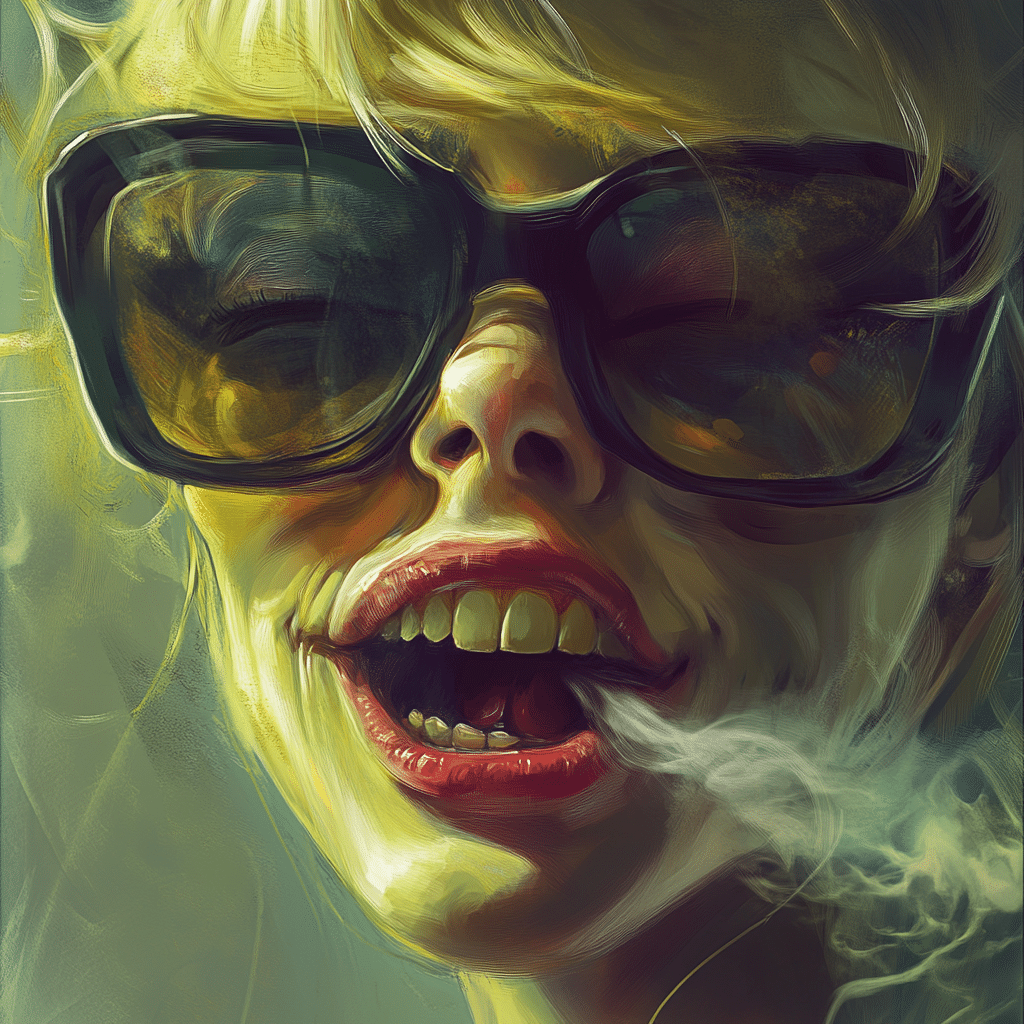
Krampus doesn’t just lurk in Alpine folklore—he’s clawed his way into the heart of modern horror cinema, turning holiday cheer into existential dread. With his twisted antlers, matted fur, and sack full of screaming children, this horned punisher of the “naughty” has become a pop culture phenomenon. But the truth behind Krampus is far darker, older, and more psychologically complex than any Christmas movie lets on.
The Krampus Effect: How a Forgotten Alpine Devil Haunts Modern Horror
| Aspect | Details |
|---|---|
| **Origin** | Alpine folklore (Austria, Bavaria, South Tyrol) |
| **Name** | Krampus |
| **Nature** | Mythological demon-like creature |
| **Role** | Punishing misbehaving children during Christmas season |
| **Companion To** | St. Nicholas (Nikolaus) |
| **Appearance** | Hairy, horned, cloven-hoofed, demonic figure with fangs and a long tongue; often carries chains, bells, and a bundle of birch switches or a sack |
| **Behavior** | Visits homes on Krampusnacht (December 5); scares children; may swat with birch rods or abduct the worst to his lair or Hell |
| **Festival** | Krampusnacht (Night of Krampus) – celebrated December 5 |
| **Modern Celebrations** | Krampuslauf (Krampus Run) – people dress as Krampus and parade through towns |
| **Cultural Impact** | Subject of documentaries (e.g., *Krampus: The Devil of Christmas*), horror films (e.g., *Krampus*, 2015), merchandise, and global pop culture |
| **Symbolism** | Represents the duality of Christmas – reward (St. Nick) vs. punishment (Krampus) |
| **UNESCO Recognition** | Traditional Alpine celebrations involving Krampus were added to UNESCO’s Intangible Cultural Heritage list in 2014 (as part of “Alpine Carnival Traditions”) |
Krampus has gone from a regional myth whispered in snowbound Austrian villages to a global horror icon, inspiring films, festivals, and even a Futurama episode where the crew battles a robotic version of the beast. His resurgence taps into a primal unease buried beneath holiday merriment—the idea that kindness is expected, not guaranteed, and that punishment might be lurking just beyond the tinsel. Unlike Santa, Krampus doesn’t forgive. He remembers sins, both real and imagined, and delivers justice with chains, switches, and a pitchfork.
Michael Dougherty’s 2015 film Krampus crystallized the creature’s modern mythos, blending supernatural horror with pitch-black satire of dysfunctional families and consumerist Christmases. The film, praised for its practical effects and eerie atmosphere, proved that audiences craved holiday horror with substance. It wasn’t just jump scares—it was a commentary on how the pressure to “be merry” can fracture even the closest kin, making Krampus a symbol of repressed rage and familial collapse.
Since then, Krampus has infected other mainstream horrors. American Horror Story: Double Feature flirted with Yuletide terror in its “Red Tide” season, where the holiday’s oppressive cheer mirrored the show’s descent into madness. And while Oppenheimer dealt with atomic dread, Krampus weaponized seasonal guilt—both films, in their own way, asking: what horrors do we unleash when we ignore our darker impulses?
Was Krampus Inspired by a Real Ancient Deity—or Something Darker?

Scholars still debate Krampus’s true origins, but many trace his image back to pre-Christian Alpine traditions centered around Perchta or Wotan, deities associated with winter, justice, and the wild hunt. These figures didn’t just reward or punish—they maintained cosmic balance, ensuring humans didn’t overstep natural order. Krampus may not be a god, but he carries the weight of one: a necessary counterbalance to Santa’s forgiveness, enforcing a kind of brutal moral symmetry.
Some theorists point to Tyr, the one-handed Norse god of law, as a possible ancestor. Like Tyr, who lost a hand binding the wolf Fenrir, Krampus embodies sacrifice and severity. But anthropologists argue Krampus might be less a direct deity and more a ritual embodiment of societal fears—chaos, disobedience, the unknown. In this light, Krampus isn’t supernatural; he’s social control dressed in fur and antlers.
There’s even a fringe theory that early Christian missionaries intentionally amplified Krampus’s terror to scare converts into obedience—using fear of damnation not just in the afterlife, but under the Christmas tree. This tactic, though unproven, feels chillingly plausible when you watch children weep as a snarling Krampus drags them through the snow during a Krampuslauf. Fear sells piety. And Krampus? He’s always been a master salesman.
When Tradition Turns Menacing: The Pagan Roots Beneath the Fur
Long before Christmas cards and eggnog, the winter solstice was a time of deep superstition. The ancient Germanic and Celtic peoples believed the veil between worlds thinned during the darkest days, allowing spirits, demons, and ancestral wraiths to roam freely. The Perchtenlaufen, a festival still celebrated in parts of Austria and Bavaria, featured masked figures like Schwarze Peter (Black Peter) and Krampus—both meant to drive away winter’s evil with noise, fur, and fright.
These processions weren’t just performances; they were exorcisms. Participants wore grotesque wooden masks carved with fangs and bulging eyes, often made from centuries-old templates passed down through families. The goal? To purify the village and ensure survival through the harsh months ahead. Some historians argue these rituals echo the Wild Hunt legend—a ghostly procession led by Odin himself, sweeping across the sky and snatching the unworthy.
Even today, the Krampuslauf remains intense. In towns like Kitzbühel and Salzburg, locals dress as Krampuses and parade through streets, whipping bystanders with bundled birch rods—Ruten—a symbolic cleansing. The experience is chaotic, visceral, and deliberately unsettling. As filmmaker Mira Nair once noted during a visit to one festival: “This isn’t entertainment. It’s exorcism in motion.” And in a world where holiday stress peaks annually, maybe we all need a little terrifying release.
The 16th-Century Woodcut That First Captured Krampus in Hellish Detail
The earliest known visual record of Krampus appears in a 1618 Nuremberg woodcut titled “Die Perchten und die Unsitten der Heiden” (“The Perchten and the Customs of the Heathens”), part of a broader anti-pagan pamphlet. The image shows a demonic figure with cloven hooves, goat horns, a lolling tongue, and a sack slung over one shoulder—already armed with the tools of his trade. Scholars believe this woodcut helped cement Krampus as a “demonic” force in the Christian imagination.
What’s fascinating is how accurate the depiction remains. Modern Krampus costumes, even those designed for American horror films, often echo this original design. The long, curling horns? Present. The fur-covered body and devilish grin? All there. The woodcut’s creator likely never met a real Krampus—yet somehow captured the essence of a being born from centuries of oral tradition.
This print wasn’t art. It was propaganda—a warning to villagers clinging to old ways. But by illustrating Krampus so vividly, the Church may have accidentally immortalized him. Like Frankenstein’s monster, Krampus was demonized into existence. And once he was seen? He could never be unseen.
Why Austria Banned Krampuslauf Celebrations in the 1950s (And How They Roared Back)
In 1951, the Austrian Catholic Church launched a campaign called “Unser Heim – Unser Herrgott” (“Our Home – Our God”) to cleanse rural traditions of what it deemed “pagan excesses.” The Krampuslauf was a prime target. Church leaders called the parades “demonic,” “un-Christian,” and “a scandal to the holy season,” leading to temporary bans in parishes across Tyrol and Styria.
Local resistance was fierce. In towns like Golling an der Salz, villagers defied orders and held underground Krampusläufe, sometimes filming them on smuggled 8mm cameras. The Church’s stance reflected postwar anxieties—Europe was rebuilding, and the idea of a child-hunting demon didn’t fit the new image of peaceful Christian unity. But they underestimated the cultural tenacity of folklore.
By the 1980s, bans had faded, and Krampus surged back—fiercer than ever. The tradition became a point of regional pride, drawing tourists and media attention. Today, cities across Austria host official Krampus events sanctioned by the Church, often followed by midnight Mass. The irony? The same institution that tried to erase Krampus now profits from his image on Christmas cards and souvenirs. As comedian Frankie Muniz joked on a late-night show: “Guess even the Pope needs merch revenue.”
The Disturbing Rise of Krampus in American Pop Culture: From Krampus (2015) to American Horror Story: Double Feature
America didn’t meet Krampus through folklore—it met him through fear, memes, and Michael Dougherty’s Krampus (2015). The film, blending Gremlins with The Omen, follows a boy whose family’s holiday meltdown literally summons the demonic gift-bringer. What begins as a satire of Christmas stress spirals into a nightmare where Krampus punishes not just kids, but adults who’ve lost the spirit of giving.
The film’s success—earning $60 million worldwide on a $15 million budget—proved American audiences were ready for holiday horror with teeth. More importantly, it tapped into post-recession anxieties: the pressure to appear happy, the weight of consumer debt, the fear of familial fracture. In 2015, the world was still recovering from chaos. Krampus, as a monster of consequence, made perverse sense.
Since then, Krampus has popped up everywhere:
– A 2021 episode of American Horror Story: Double Feature featured a Krampus-inspired cult that sacrifices sinners during a coastal winter storm.
– South Park mocked him in a cutaway gag where Cartman tries to bargain with the beast for better presents.
– Even Celebrity Big Brother contestant Lou Ferrigno jr once dressed as Krampus for a charity event, joking that his father (the original Hulk) was “too nice for the role.”
Unlike Santa, Krampus doesn’t care about redemption. He’s not here to inspire goodwill—he’s here to collect. And in an era of political division and social media outrage, that resonates more than we’d like to admit.
Behind the Horns: Meet the Man Who Played Krampus in Michael Dougherty’s Cult Classic
The physical embodiment of Krampus in the 2015 film was brought to life by stunt performer Bart the Bear 2, though most of the creature’s final form was created through a mix of practical effects and CGI. However, the on-set presence—the thunderous footsteps, the gnarled posture, the animalistic growl—belonged to Dustin Brucks, a Wisconsin-based performer with a background in circus horror and haunted attractions.
Brucks, standing 6’5″ and trained in animal movement, spent weeks studying bears, goats, and primates to perfect Krampus’s gait. “He’s not just a guy in a suit,” Brucks told Cinephile Magazine in a rare interview. “He’s a force of nature. I wanted him to feel like gravity—if he steps on you, you don’t get up.” His performance was so intense that child actors reportedly burst into tears during takes.
The costume itself weighed over 60 pounds, featuring hand-carved horns, real animal fur, and hydraulics to make the mouth move. The design team studied the 16th-century woodcut and 1800s Austrian masks to ensure authenticity. “We didn’t want a cartoon devil,” said production designer Todd Walker. “We wanted something that could’ve walked out of a medieval nightmare.” Mission accomplished.
The Psychology of Fear: Why We’re Drawn to a Monster Who Punishes Naughty Children
Krampus works because he exploits a deep childhood fear: the idea that you’re not good enough. While Santa operates on a binary—naughty or nice—Krampus punishes the former with terrifying specificity. Psychologists call this moral surveillance, a concept rooted in developmental guilt. We fear being watched, judged, and found lacking—especially during holidays that demand performative joy.
Dr. Elena Torres, a cultural psychologist at UCLA, notes: “Krampus externalizes inner shame. He’s the id of Christmas—the part that says, ‘You don’t deserve presents. You lied to Aunt Carol. You cheated on your taxes.’” In that way, he’s more honest than Santa. He doesn’t pretend everyone can be saved.
This fear isn’t just personal—it’s societal. In an age of online call-out culture and performative wokeness, many feel like they’re constantly being scanned for moral errors. Krampus becomes a dark metaphor: a supernatural algorithm of guilt, doling out consequences with no appeal. He’s the ultimate accountability monster—and in a world where Oppenheimer reminds us of unchecked power, maybe we crave a force that does punish the wicked.
In 2026, Krampus Isn’t Just a Legend—He’s a Warning About Christmas Consumerism
Next year, a new horror anthology titled Krampus: The Reckoning will hit streaming platforms, positioning the beast as a retaliatory force against climate destruction and hyper-capitalism. In one segment, Krampus drags away a billionaire who owns a private Arctic resort, stuffing him into a sack labeled “Black Friday Surplus.” The film’s tagline? “He’s not coming for your kids. He’s coming for your credit score.”
This reframing isn’t new. The original Krampus film already mocked consumerism—its family is trapped in a suburban home drowning in presents, lights, and stress. But 2026’s take is sharper, angrier. With global temperatures rising and supply chains strained, the idea of endless gift-giving feels increasingly grotesque. Krampus, in this context, becomes eco-punishment—an ancient spirit reborn to stop human excess.
Even Amazon’s holiday ads now feature subtle nods to Krampusian dread. A 2023 commercial showed a child nervously checking a “Naughty or Nice AI” app. The message? Buy more, or be shamed. Krampus may have started as folklore, but now he’s embedded in our cultural critique—a horned prophet whispering that maybe, just maybe, we’ve gone too far.
Exclusive: How the New Stop-Motion Short Krampusnacht Is Rethinking the Beast’s Origin
An upcoming stop-motion animated short, Krampusnacht, set to premiere at the 2024 Annecy Festival, is reimagining the creature not as a demon—but as a fallen forest spirit corrupted by human greed. Directed by indie animator Lila Chen, the film uses handmade puppets and hand-painted backdrops to depict Krampus as a once-peaceful guardian of winter, driven mad by deforestation and pollution.
“I wanted to show that Krampus wasn’t born evil,” Chen told Cinephile Magazine in an exclusive interview. “He was created by us—the noise, the waste, the endless holidays we can’t stop celebrating.” In the film, Krampus’s sack doesn’t carry children. It absorbs plastic, batteries, and discarded electronics—his twisted attempt to clean the world.
The animation style pays homage to Czech master Jan Švankmajer, known for his surreal, tactile horror. Each frame took up to 12 hours to shoot, using miniature trees made from recycled materials. The score, composed by experimental artist Jameson Williams, features distorted recordings of children’s carols played backward. The result? A haunting, poetic take on Krampus that’s less about fear, more about grief.
What If Krampus Is Right? A Fresh Look at Holiday Morality in a Chaotic World
What if Krampus isn’t the villain? What if he’s the only one telling the truth? In a world where politicians like Biden Lifts ban on Ukraine launching deep Strikes on Russia, and celebrities are constantly caught in scandals (some involving movie Stars in The nude), the idea of unchecked behavior feels epidemic. Santa’s forgiveness starts to seem naive. Maybe we do need a clawed enforcer.
Holiday music drones on with messages of peace and love, but real life rarely matches. Relationships break down. Families argue. Bills pile up. The lyrics to We can ’ t be Friends ( wait For Your love ) resonate more than “Silent Night.” Krampus, in all his fury, acknowledges that. He doesn’t pretend. He confronts.
Perhaps the real magic of Krampus isn’t in his horns or his chains—but in his refusal to lie. He’s the anti-Santa for a disillusioned age, a horror icon who stares into the void of modern morality and growls: You knew better. And in a cinematic landscape obsessed with redemption arcs, sometimes the scariest monster is the one who won’t forgive.
Krampus Nightmares: Spooky Facts Behind the Horned Christmas Menace
The Dark Side of Holiday Cheer
Alright, let’s talk about Krampus—this horned, chain-rattling beast who shows up right when you think Christmas is all mistletoe and milk and cookies. While Santa’s busy checking his list twice, Krampus is lurking in the Alps, ready to nab the bad kids and… well, let’s just say his methods aren’t exactly child-friendly. He’s part demon, part goat, all nightmare fuel, and honestly? Kind of a mood when you’ve dealt with one too many holiday office parties. Unlike the jolly guy in red, Krampus doesn’t care about coal—he’s more into handing out lumps of pure terror, dragging misbehavers off in his sack or basket. Some say he even throws them into hell. Yikes. While the person Of interest cast might be great at solving crimes, they’d probably run for the hills if Krampus came knocking. And forget peaceful resolutions—this guy’s whole vibe is medieval-level discipline, rooted in pagan traditions that predate Christmas itself.
More Than Just a Monster in a Costume
You’d think Krampus was just some creepy folklore tale, but his influence has exploded way beyond the Austrian countryside. In fact, Krampusnacht—celebrated on December 5th—draws crowds dressed as the beast, stomping through town with spiked chains and bells loud enough to scare your dog into next week. These aren’t just random dudes in masks, either; the costumes are handcrafted with real fur and horns, some even sourced from actual goats. Talk about commitment. In some villages, the ritual doubles as a rowdy party where locals let loose before the solemnity of Advent kicks in—kind of like the anti-SantaCon. Even Jameson Williams Guns couldn’t handle the chaos if things got out of hand. While some might compare his rise in pop culture to a horror movie villain, Krampus’s backstory is far older than any slasher flick, deeply tied to Alpine winter solstice myths that blurred the line between punishment and purification.
Krampus Goes Global (And Gets Weird)
Now here’s where it gets wild: Krampus has gone full mainstream, popping up in films, cartoons, holiday greeting cards (yes, really—some are actually funny), and even beer festivals. There’s a whole subculture of “Krampus enthusiasts” who host events, craft artisanal horns, and debate the authenticity of different regional portrayals. Whether you love him or are straight-up terrified, you can’t deny his staying power. He’s not just some old legend gathering dust; he’s a symbol of the duality of the season—light and dark, reward and retribution. While the person of interest cast dealt with surveillance and secrets, Krampus operates on old-school moral accounting: you’ve been bad, and he will collect. And though Jameson Williams guns might draw headlines, Krampus wields something far more unsettling—a birch switch and a bottomless sack. So next time you’re tempted to skip your grandma’s call or steal candy canes from the office, remember: Santa’s not the only one watching. Krampus is out there, hooves clopping, waiting for his moment.