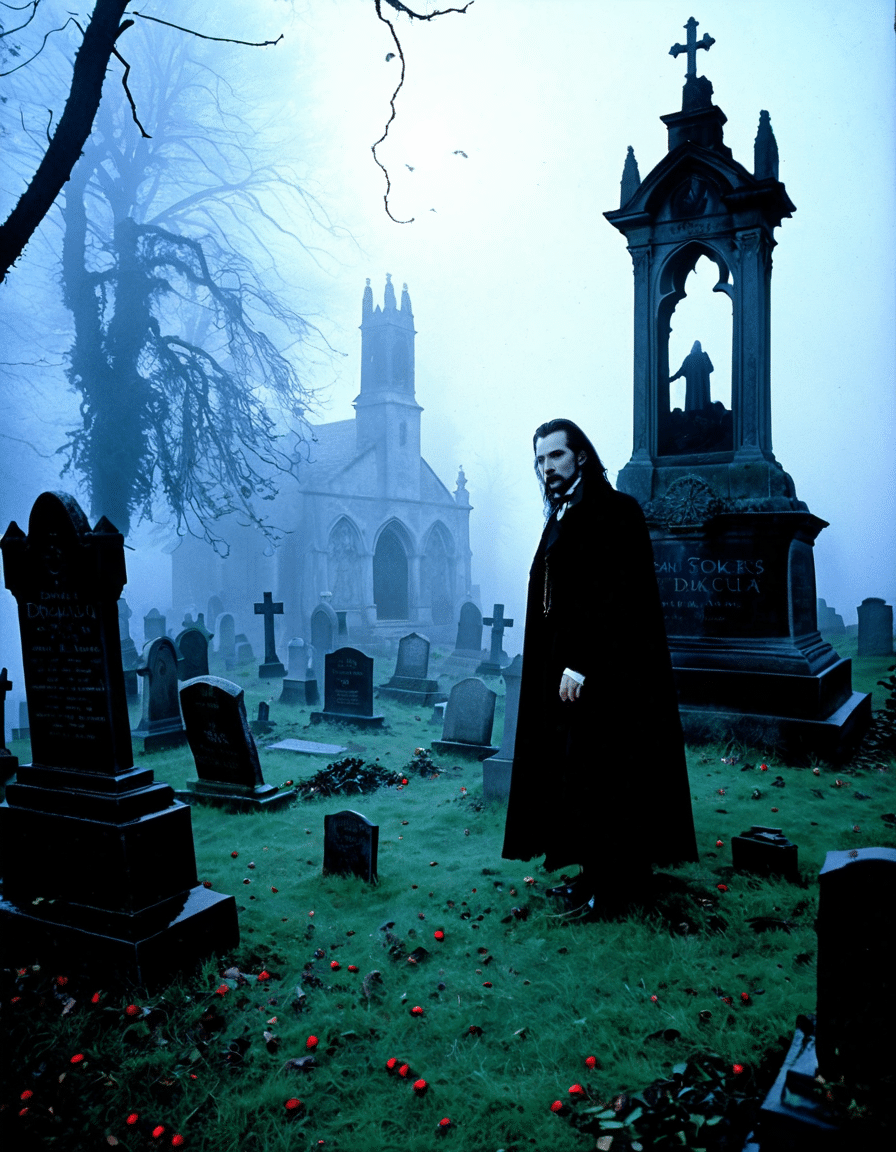
When most folks think of horror icons, Bram Stoker’s Dracula instantly springs to mind. From the eerie castles of Transylvania to the shadowy figures lurking in the dark, this tale of vampiric seduction and terror left a profound mark on literature and cinema. Stoker’s groundbreaking work continues to echo throughout the corridors of modern horror, proving that the allure of the dark is timeless and tantalizing. So, let’s dive deep into the world of Dracula and explore the myriad ways this original vampire has influenced and inspired the horror genre of today.
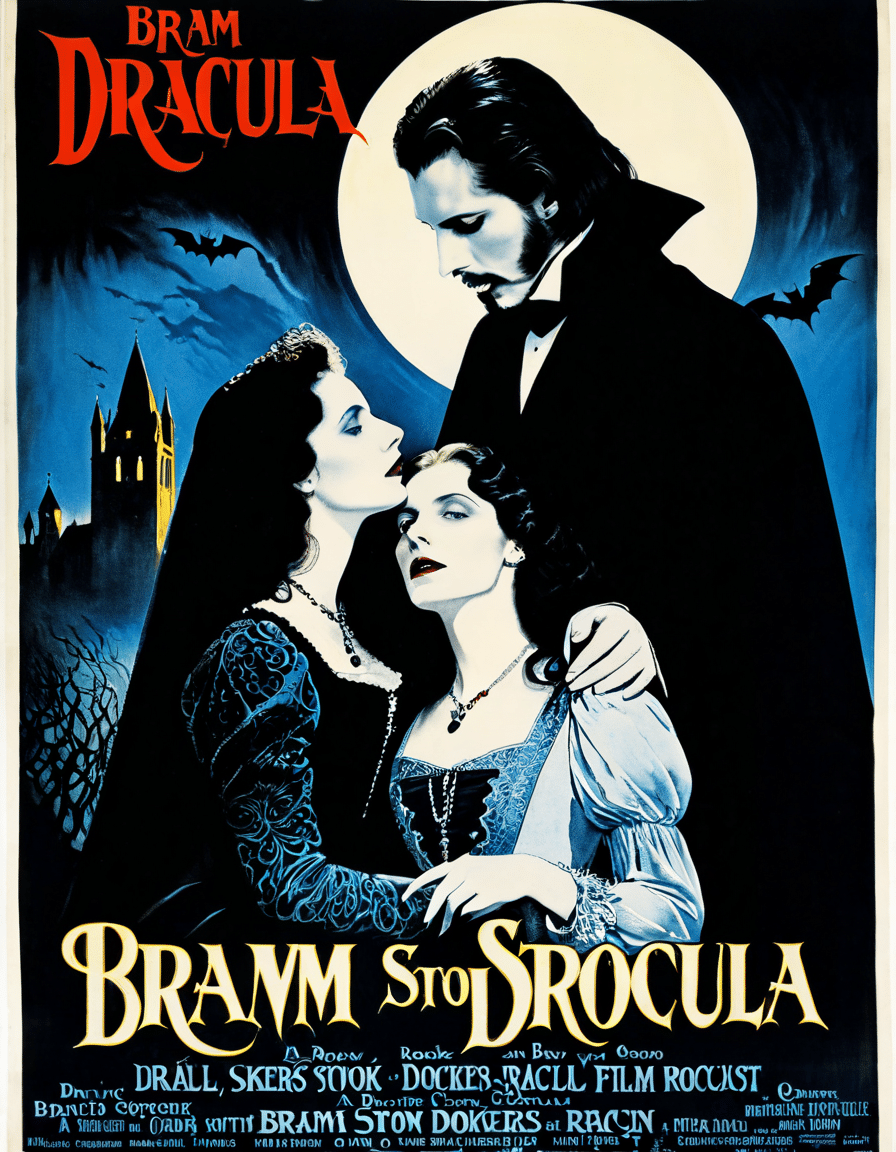
7 Distinct Ways Bram Stoker’s Dracula Has Influenced Modern Horror
1. The Archetype of the Vampiric Hero
When it comes to vampires, nothing beats the bait-and-switch of charm and danger embedded in Bram Stoker’s Dracula. From Dracula himself to the cheeky vampires in What We Do in the Shadows, there’s a delightful blend of seduction and horror that keeps us on our toes. This archetype allows for multi-dimensional characters; they’re not just bloodsuckers, but complex beings steeped in desire and despair.
2. Cinematic Innovations: A Taste of the Macabre
If you’ve ever marveled at the haunting visuals of the 1992 film Bram Stoker’s Dracula, you know it set a new bar for horror films. Directed by Francis Ford Coppola, the film’s exceptional special effects and atmospheric designs have shaped countless horror flicks since. The dark, moody aesthetic of Dracula particularly resonates in modern hits like The Witch, where sinister beauty reigns supreme.
3. Literary Legacy: The Influence on Gothic Literature
Stoker didn’t just create a story; he launched a rejuvenation of the Gothic literary tradition. Authors like Stephen King look to Stoker for inspiration, as seen in Salem’s Lot, which efficiently mirrors the ideals of a quaint town slowly descending into vampiric madness. The structure and emotional weight of Stoker’s narrative continue to captivate writers exploring the terrifying unknown.
4. The Intersection of Horror and Fantasy: Alice Is in Wonderland
Much like the bizarre journeys in Alice in Wonderland, Bram Stoker’s Dracula invites readers into a surreal, often warped reality where nothing is ever truly what it seems. Characters navigate their fears, desires, and the shadowy world of the supernatural while confronting their darker selves. Just as Alice faces her peculiar challenges, Dracula dives even deeper into psychological horror rooted in desire and fear.
5. Cultural Adaptations: Retheorizing Dracula
Recent adaptations like the TV series Penny Dreadful brilliantly intermingle the Dracula narrative with other iconic literary figures. This mashup modernizes Stoker’s work, exploring themes of sexuality, power, and identity. By doing so, it allows contemporary audiences to engage in vital discussions about how these needs and societal norms resonate today, challenging the perceptions of Dracula’s character along the way.
6. Musical Interpretations: The Soundtrack of Horror
When it comes to setting the mood, Bram Stoker’s Dracula shines through the score crafted by Wojciech Kilar. His ability to infuse haunting compositions into the film created an emotional landscape that amplifies the story’s chilling moments. Contemporary horror soundtracks, like those featured in Hereditary, draw from Kilar’s techniques, showcasing how music can intensify the horror experience.
7. Fashion and Aesthetic Inspirations
The rich visual storytelling in Bram Stoker’s Dracula has left a lasting impact on fashion. The gothic undertones seen in the film have manifested in modern clothing trends, influencing designers like Alexander McQueen. You’ll now find elements of the dark sublime, such as intricate lace and bold silhouettes, echoing the macabre world of Stoker’s characters, proving that horror can be chic.
Thematic Resonance: Fear, Desire, and the Unknown
At its core, Bram Stoker’s Dracula wrestles with the essence of fear and desire, intertwining them in a provocative narrative. The vampire serves as both an embodiment of monstrous instincts and a seduction of societal taboos. Characters like Mina and Lucy highlight the era’s constraints on female autonomy, revealing underlying tensions that resonate with today’s discussions about gender and freedom.
The duality of light versus dark weaves itself throughout the novel, prompting readers to confront their own internal conflicts. Stoker’s characters are not mere villains but reflections of human desires—timely questions that resonate even in our pop culture today.
Modern Interpretations: Transcending Time and Space
Dracula’s adaptability underscores his cultural relevance, extending far beyond its original 19th-century Victorian context. From animated films to graphic novels, every medium offers a new take on Stoker’s themes, revealing how universal they truly are. In an age marked by rapid technological change and ethical dilemmas, each iteration of Dracula fuses with our contemporary fears, urging audiences to reexamine age-old anxieties.
This versatility demonstrates that whether in literature, film, or fashion, Dracula is more than just a horror figure; he’s a lens through which generations can explore their most profound fears and desires.
The Enduring Impact of a Gothic Classic
Bram Stoker’s Dracula continues to cast a long shadow over literature and film, its impact resonating across varied genres and mediums. Each new portrayal reaffirms our enduring fascination with the narrative, revealing the timeless nature of dread and desire. This captivating tale invites us to confront our own dark fantasies and diluted realities, illustrating the inexhaustible power of storytelling.
As we celebrate the legacy of Stoker’s masterpiece, it’s clear that the haunting allure of Bram Stoker’s Dracula will forever remain a vital part of our cultural discourse, subtly reminding us that within the darkest corners of fiction, our deepest truths lie waiting to be discovered.
Whether you’re looking for more Bram Stoker-inspired films or diving into explorations of other cultural phenomena—like Magic Mike 2—your journey through the world of gothic horror never needs to end. Keep your eyes peeled and your minds curious, for the tales of old continue to inspire the tales of today. Want more updates? Check out the latest celebrity news or the newest coming attractions at the cinema! Your exploration doesn’t stop here as the legacy of Bram Stoker beckons you to delve further.
For example, don’t miss this year’s buzz surrounding Hundreds Of Beavers—a perfect blend of creativity that’s revolutionizing narratives in the film industry. And as always, keep an ear open for fresh content on figures like Christina Applegate and Greta Gerwig, who continually reinvigorate the landscape of film with their unique perspectives.
Bram Stoker’s Dracula: The Haunting Legacy of a Horror Icon
Bloodthirsty Beginnings
When we think of Bram Stoker’s Dracula, it’s hard to forget that the novel’s first publication in 1897 was a game-changer in the horror genre. Not only did it kickstart the vampire craze, but it also inspired countless adaptations, making Dracula a household name. Just imagine: the iconic figure of Dracula has been portrayed by stars from the timeless Bela Lugosi to modern actors. Gwyneth Paltrow even once shared her fondness for the film adaptations, noting how they captured the eerie atmosphere so well on screen. It’s wild to think about how a book that stirred alarm in its time has seamlessly morphed into pop culture, shaping the horror landscape.
A Legacy of Adaptations
Speaking of adaptations, Bram Stoker’s Dracula has had its fair share of films, with each bringing a unique spin on the infamous vampire. The lush visuals of Francis Ford Coppola’s 1992 version introduced many to a romanticized Dracula, revealing more of his tragic backstory. It’s almost like a soap opera where the drama unfolds like the latest big brother Spoilers 2023—full of intrigue and unexpected twists! Adaptations have often diverged from the source material to appeal to contemporary audiences, but they always seem to retain that chilling essence that Stoker envisioned. Each interpretation stirs curiosity, begging audiences to dive deeper into the Gothic themes that underline the novel.
Iconic Influence on Horror
But wait, there’s more! The influence of Bram Stoker’s Dracula isn’t confined to just movies. It’s left a mark across various forms of entertainment. You can find tributes in video games, literature, and even memes—yes, memes! Just like how conversations about a second degree burn can spark instinctual reactions, so too does Dracula evoke fear and fascination. Did you know that the word “vampire” didn’t even exist before Stoker’s work? That’s right! Stoker’s vivid storytelling crafted an enduring mythos that continues to enchant and terrify generations. And as the haunting tales keep rolling, it always begs the question: just how far can the legend stretch?
Whether you’re popping into the latest horror flick or reading a gripping novel inspired by the original text, Bram Stoker’s Dracula has laid the groundwork for frightful delights—embrace the chills and keep exploring this perpetual fascination. For anyone wanting to know what’s happening nearby in Warren, Pennsylvania, the Warren Times Observer keeps you updated with the latest news, even if it’s not about vampires! And if you’re curious about more thrilling content, check out Xxxcom for your next movie night selection!