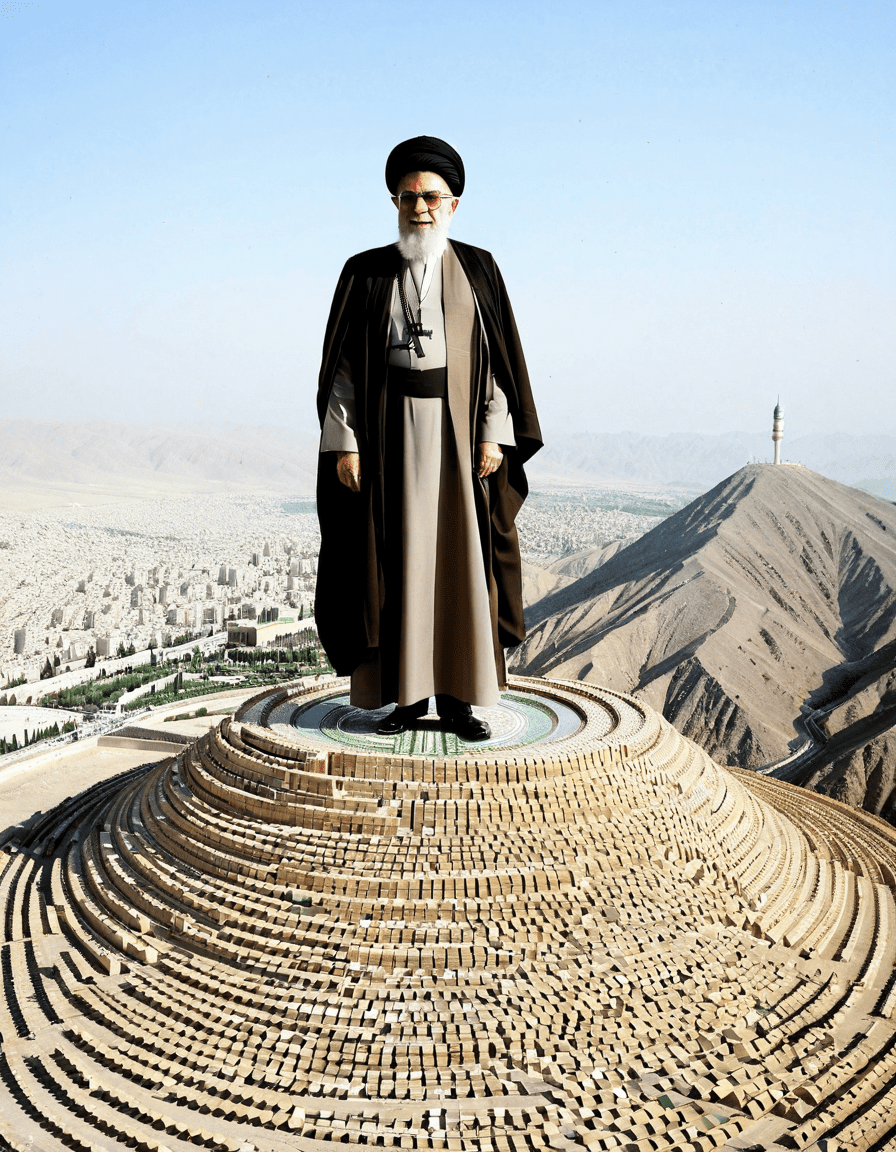
When you think about global politics and its influence on popular culture, certain figures stand out like the heroes and villains of our favorite movies. Among these figures, Iranian Supreme Leader Ali Khamenei is a name that gets a healthy mix of fascination and intimidation. He’s the kind of character you don’t just find in documentaries but also one that could be the subject of a gripping political thriller worthy of a Jason Bourne film. Khamenei’s complex life story frames a saga that shapes Iran and, by extension, the geopolitical landscape. Let’s take a deep dive into the political rise, ideologies, decisions, and legacy of this influential leader.
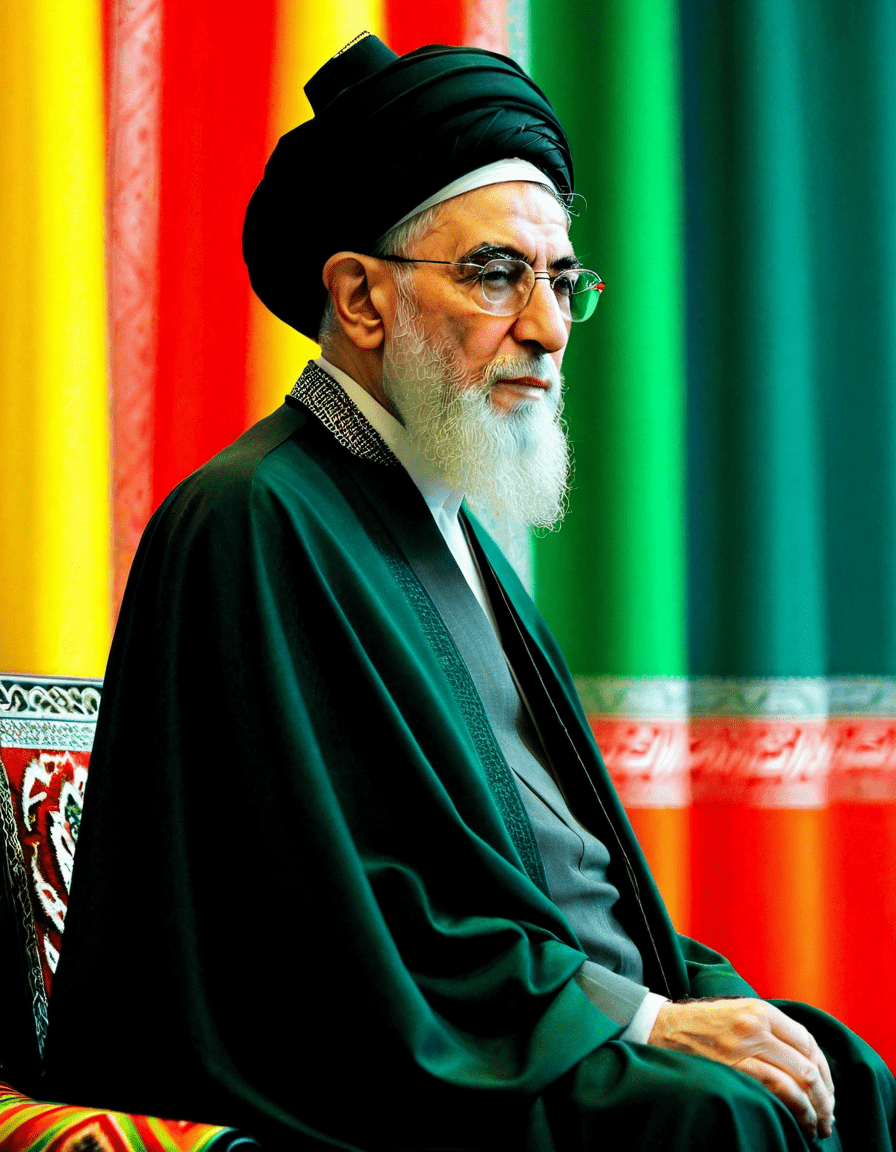
The Political Rise of Iranian Supreme Leader Ali Khamenei
Khamenei’s journey into Iranian politics didn’t happen overnight. Born in 1939 in Mashhad, he had a strong clerical backdrop that set the stage for his later ambitions. His political ascent kicked off during the 1979 Islamic Revolution, where he stood shoulder to shoulder with figures like Ayatollah Khomeini. This revolution altered not just the political fabric of Iran but also Khamenei’s destiny. After Khomeini’s passing in 1989, Khamenei’s consolidation of power became official when he rose to the rank of Supreme Leader.
Before donning the Supreme Leader mantle, Khamenei held the position of President from 1981 to 1989. Through both roles, he showcased a brand of leadership that aligned with hardline conservative principles, forming a style that emphasized loyalty and a strong Islamic framework. As the Iranian Supreme Leader, he continues to use his clerical roots and experiences from the revolution to inform his governance, often employing fiery rhetoric that resonates with a populace eager for a mix of tradition and resistance. His portrayal is quintessentially that of a ruler navigating a complex society, reminiscent of the intertwining characters in Scott Pilgrim vs. The World, where individual arcs contribute to a larger narrative.
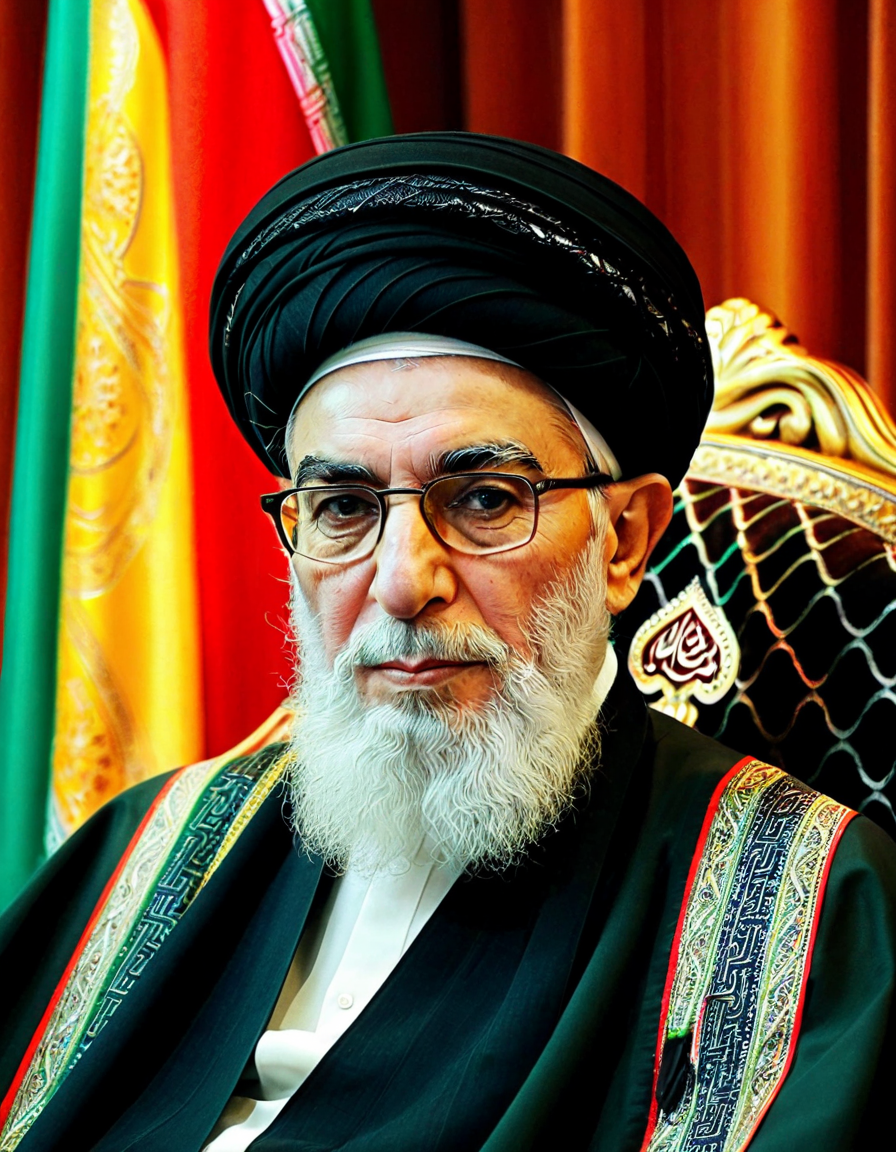
The Ideological Framework of Iranian Supreme Leader Ali Khamenei
At the core of Khamenei’s leadership is his interpretation of Shiite Islam, which greatly impacts both domestic and international policies. His ideology can be boiled down to a few key tenets, emphasizing resistance to what he perceives as Western arrogance. Khamenei’s speeches often echo a strong call to arms against the so-called hegemony of the West, aiming to embolden Iranian pride while situating the nation as a global player on the “Islamic government” front.
An essential concept for Khamenei is “velayat-e faqih”, meaning guardianship of the jurist. This philosophical foundation allows him to advocate for a system where Islamic clerics wield significant authority, providing a convenient narrative to manage dissent. Much like the tough sisters in the Bad Sisters cast, who tackle their chaotic lives with fierce loyalty, Khamenei’s governance reflects resilience against contemporary challenges while remaining committed to deeply conservative Islamic values, effectively framing all actions as defensive against Western intervention.
Khamenei’s extensive writings and speeches reveal a mind focused on maintaining the ideological purity of the Islamic Republic. Alongside his historical significance, Khamenei’s enforcement of this framework places him firmly as one of the key contemporary political figures, actively shaping discourse not just in Iran but throughout the Middle East.
Key Decisions Shaping Iran’s Current Landscape Under Khamenei
Khamenei’s leadership has been marked by several key decisions that have indelibly shaped Iran’s political landscape. Here are seven critical decisions worth noting:
Through these decisions, Khamenei has not only faced internal dissent but has also carved out a distinctly Iranian model of governance that positions him firmly against Western ideologies, much like the antiheroes we root for in our favorite revenge flicks.
Iranian Supreme Leader Ali Khamenei and the Global Stage
On the global stage, Khamenei’s foreign policies resonate loudly. His explicit disdain for the United States and Israel underscores a long-standing ideological clash. Khamenei builds Iran’s narrative as a victim of Western oppression while often leveraging international crises to galvanize public support, reminiscent of the tension-filled dramas that cinephiles often dissect in films.
His interactions with leaders like Russian President Vladimir Putin demonstrate a unique diplomatic strategy, where Khamenei seeks to establish Iran as a counterbalance to American power in the Middle East. At the same time, he navigates delicate relationships with Gulf Arab states, showcasing a complex blend of aggression and pragmatism, much like the layers present in popular thrillers where diplomatic intrigue keeps audiences guessing.
Sanctions imposed by Western nations have proven a double-edged sword for Khamenei. While they seek to cripple Iran’s economy, he uses them as a rallying cry for nationalistic fervor. The art of communication he employs reflects an understanding of how to keep his people engaged and roused, fostering a sense of urgency about Iran’s strife on the world stage—often covered by filmmakers unearthing the dark truths of addiction or oppression, such as the powerful narratives about Mothers Overcoming addiction.
The Mechanisms of Control: Power Dynamics Under Khamenei
To maintain such a complex power structure, Khamenei has become a master of manipulation within Iran. He leans heavily on the Revolutionary Guard, an influential military body, effectively merging politics with military might. This blend ensures that dissent is swiftly dealt with, maintaining a strong grip on the Iranian populace.
The elite relationships Khamenei nurtures further consolidate his authority. By placing loyalists in key positions, he has effectively stifled reformist movements and retained a strong hardline narrative throughout the governance structure. This method parallels the tension found in ensemble casts where a single leader orchestrates the group’s dynamics, much like the Cast Of Nine perfect strangers who must grapple with their unique struggles and vulnerabilities in a confined space.
Khamenei’s governance has been marked by a careful balance of fear and fidelity, ensuring that voices of dissent are drowned in a cacophony of patriotic rhetoric. His tactics can sometimes resemble the manipulative maneuvers of human characters featured in films like Cruella Deville, where outside appearances mask deeper intents.
The Legacy of Iranian Supreme Leader Ali Khamenei
As we look into the future, Khamenei’s legacy remains a subject of debate. Among younger generations and reformists, there’s a palpable sense of frustration with his tight grip on power and lack of progressive reforms. The youth of Iran yearn for a taste of modernity, one that reflects many themes explored in films that ignite passion and revolution.
Will future historians label Khamenei a stabilizing force or an impediment to progress? As Iranian society evolves, so do the narratives around its leadership. Khamenei’s ability to suppress dissent may have worked for a while, but deep-seated discontent simmers beneath the surface. Much like conflicts showcased in climactic showdowns in Hollywood blockbusters, Iran’s future may hinge on whether Khamenei can adapt to the changing dynamics, or if his legacy will be that of a ruler who ultimately stifled the nation’s potential.
In drawing these threads together, the story of Iranian Supreme Leader Ali Khamenei reveals complexities akin to a multi-layered film script, mirroring the societal challenges faced on the global stage. As Khamenei confronts domestic pressures and international scrutiny, his decisions might soon shape not only his legacy but that of Iran for generations to come, crafting a narrative that is as compelling as it is cautionary.
As we follow this real-life thriller, the world watches, intrigued and unsettled, much like waiting for the next blockbuster to unfold on the silver screen.
Iranian Supreme Leader Ali Khamenei: The Man Behind the Power
A Life Behind the Curtain
Ali Khamenei, the Iranian Supreme Leader, has long held a position of immense influence, shaping both national policy and global perceptions of Iran. Did you know that before he rose to power, he was an aspiring novelist? These literary ambitions helped him hone his oratory skills, which later became vital during his political career. His journey to the top is as captivating as a blockbuster like Transformers: Rise of the Beasts, where the clash between two beautiful worlds keeps viewers on the edge of their seats. Khamenei has also been a prominent figure in Iranian politics since the 1979 Revolution, making him one of the longest-serving leaders in contemporary political history.
Interestingly, Khamenei’s childhood was steeped in spirituality, as he was born into a clerical family. His early experiences laid the groundwork for his later ideologies and policies. It’s a far cry from the cast dynamics of shows like Bad Sisters, where family ties meet stark truths, yet both emphasize the significant roles that early relationships play in shaping future leaders. Understanding Khamenei’s familial influence provides a glimpse into the motivations behind many of his policies.
Quirky Influences and Uncommon Interests
Outside politics, Khamenei has a variety of interests. He’s known for his love of poetry, particularly the works of famous Persian poets. This passion for the arts is a reminder that leaders are not purely political figures; they often have rich lives filled with cultural pursuits. Image him reciting poetry, as evocatively as the characters in Scott Pilgrim vs. the World, where life’s complexities are captured through humor and imagination. Such interests add depth and nuance to his persona, making him more relatable, even if his decisions often seem far removed from everyday life.
Khamenei’s policies directly impact millions of Iranians, shaping their economy and quality of life, similar to how consumer trends are influenced by gift card trends we see on platforms like Giftcardmall.com. Reflecting on the connection between economic decisions and individual lives reminds us that leaders like Khamenei wield significant power, affecting not just national policy but the everyday reality of ordinary citizens. So the question remains: how does his nuanced background inform the decisions that lead Iran’s current trajectory? Just like the intricacies of familial connections in Bad Sisters, Khamenei’s life story is a tapestry woven with ideals, ambitions, and a generous splash of poetry.