
When you hear the phrase “white men can’t jump,” chances are, you think of the iconic film that turned this stereotype on its head. Directed by Ron Shelton and hitting theaters in 1992, White Men Can’t Jump is more than just a basketball comedy; it’s a cultural commentary woven into the fabric of early ’90s America. This film dives deep into issues of race relations, societal expectations, and the often-unspoken dynamics of the American experience. Let’s explore seven reasons this movie remains a gold standard in cinema, still sparking conversations among movie nerds today.
7 Reasons ‘White Men Can’t Jump’ Remains a Cultural Touchstone
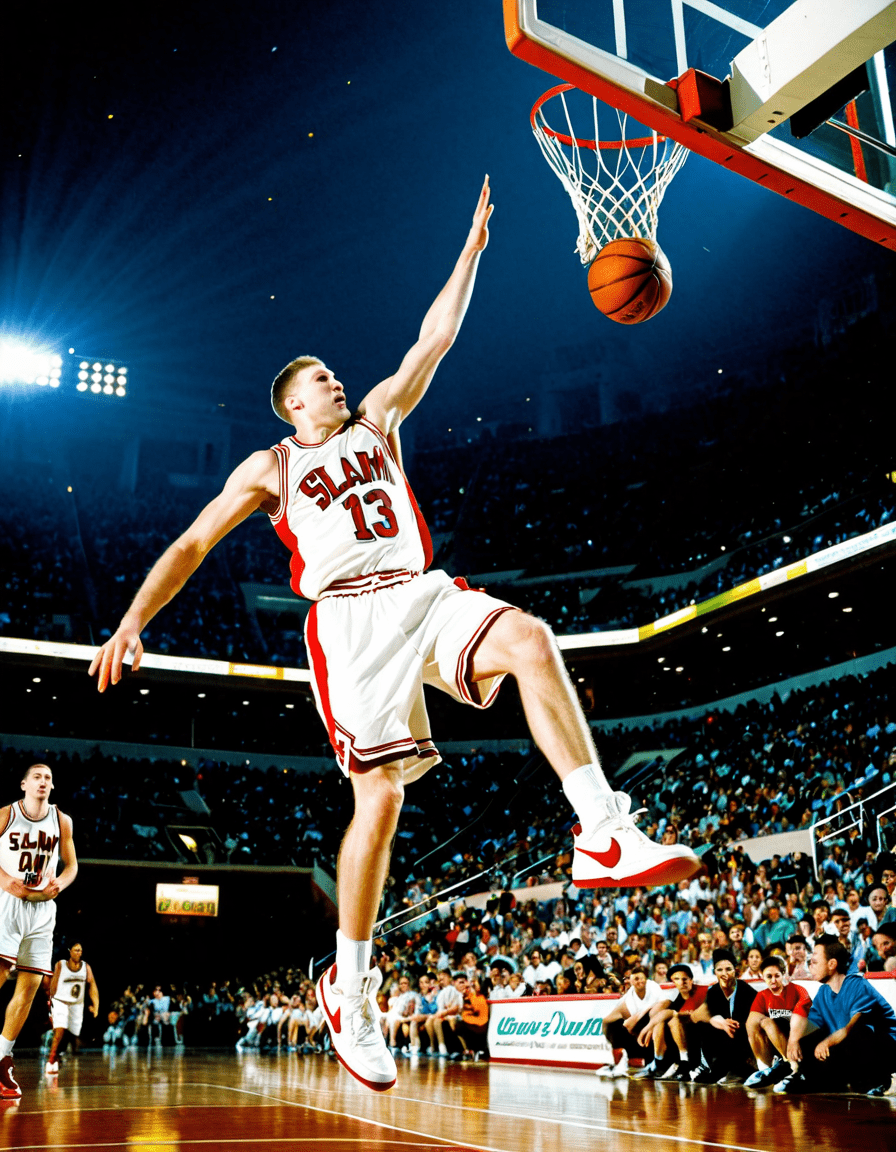
1. Challenging Racial Stereotypes
From its very title, White Men Can’t Jump jests about a belief that dogs white athletes and their basketball prowess. It’s notable how much the film flips this stereotype, putting emphasis on the underappreciated skill of its white protagonist, played by Woody Harrelson. The banter between Harrelson and the charismatic Wesley Snipes not only entertains but also pushes us to rethink assumptions linking race with athletic ability. This critical dialogue has re-emerged in current cinema, exemplified by films like 12 Years a Slave, which navigates vastly different racial issues while keeping the conversation alive.
2. Influence on Sports Comedy Genres
This film laid down the playbook for a new kind of sports comedy that blends laughs with athletic pursuits. Its unique blend paved the way for flicks like The Ringer, featuring Johnny Knoxville, and Just Wright, starring Queen Latifah and Common. Each of these brings elements of humor and social commentary, much like White Men Can’t Jump did, showcasing the genre’s growth and evolution while still touching on issues of race and culture. The film’s success prompted studios to take more chances on similar projects that didn’t just aim for chuckles but also challenged societal norms.
3. Cultural References and Memes
Oh, the quotability! Who hasn’t tossed around lines like, “You can’t take it with you” during a casual chat? From TikTok trends to Instagram memes, White Men Can’t Jump has carved its place firmly in popular culture. Its memorable quotes often get combined with images from completely different movies—think No Country for Old Men for a witty juxtaposition of themes. This ongoing cross-pollination of ideas and quotes illustrates how a comedy can resonate across different genres and emotional landscapes, further cementing its legacy.
4. Representation in the Cast
Back in the day, Hollywood wasn’t exactly a beacon of diversity. White Men Can’t Jump countered this trend with a predominantly Black cast led by Snipes, alongside Harrelson. This decision was a game-changer and opened doors for more inclusive narratives. It highlighted the necessity for diverse casts in a landscape still haunted by films like Good Will Hunting, which, while critically acclaimed, faced criticism for being—let’s face it—overwhelmingly white. Today, the importance of representation continues to guide casting decisions, driven in part by the dialogues ignited by films like White Men Can’t Jump.
5. The Financial Success of the Film
Let’s talk numbers for a second. The film grossed over $90 million worldwide against a budget of just $31 million. That kind of box office magic shows that audiences love stories that delve into serious topics while still keeping it lighthearted. This financial success encouraged studios to think outside the box, paving the way for later hits like We’re the Millers, which cleverly intertwined humor with unexpected narratives. Thanks to White Men Can’t Jump, more unconventional stories began to establish themselves in mainstream cinema.
6. The Evolution of Basketball Films
The film didn’t just stop at being a basketball comedy; it became part of a beloved genre that continues to evolve. Just look at its modern counterparts, like Space Jam: A New Legacy, which merges live-action with animation. White Men Can’t Jump remains a vital point in the timeline of basketball films, showing that sports can tell complex and nuanced stories that go beyond the court, similar to the moral quandaries present in No Country for Old Men. This importance only amplifies the cultural significance of basketball in Hollywood storytelling.
7. The Film’s Endurance on Streaming Platforms
Fast forward to today, and you’ll still find White Men Can’t Jump across various streaming platforms like Hulu and Amazon Prime. It continuously finds itself with fresh audiences who are keen to re-examine its themes, seeing how they resonate in today’s society. Each generational revisit offers new interpretations—an ongoing conversation that parallels the resurgence of classic horror genres seen in films like The Hills Have Eyes. It’s a testament to its lifespan, proving that relevance can endure beyond its initial release.

The Unpacking of Humor and Humanity
At its core, White Men Can’t Jump embodies a perfect balance of humor and serious social commentary. It reminds us that laughter can be a powerful tool in addressing pressing societal issues. As viewers become more aware of the intricacies around race and identity, this film only becomes more relevant. It challenges us to look past the surface-level comedy and dig into the cultural shifts it triggers—just as relevant in 2026 as it was in 1992.
In summary, White Men Can’t Jump transcends mere entertainment; it has influenced how we perceive race, sports, and storytelling in cinema. Its ability to spark dialogue while making us laugh is a legacy that continues to resonate not just with die-hard movie fans but with audiences across the spectrum. So next time you hear the phrase “white men can’t jump,” remember just how much impact this film has had on Hollywood and beyond. It’s a classic worth celebrating in our culture and film history.
By tapping into the comprehensive legacy of White Men Can’t Jump, you’ll find not only a film that is beloved but also one that continually shapes discourse around race and representation. Its charm and humor endure, reminding us of the power of storytelling that doesn’t shy away from the tough conversations we need to have. So grab some popcorn, kick back, and revel in the cultural significance of this iconic film.
White Men Can’t Jump: The Impact of a Legendary Film
Jumping into Trivia
The film “White Men Can’t Jump” didn’t just become a cult classic; it sparked numerous discussions about race, sports, and culture in America. Did you know that the movie features a cameo by the legendary basketball player, Charles Barkley? His appearance isn’t just a fun addition; it gives the film a boost of authenticity, connecting it to the real-life drama of basketball, much like how Tldy( captures the essence of popular culture conversations. And here’s a fun twist: during its production, several scenes were filmed at iconic locations, including the famous courts of Venice Beach, drawing crowds that reflected the vibrant and diverse community surrounding the sport. Talk about making a splash!
Behind the Scenes
Beyond its surface, “White Men Can’t Jump” had some intriguing behind-the-scenes action. For one, the film was co-written by Ron Shelton, who had a knack for bringing sports dramas to life. Shelton aimed for an authentic feel, and that’s not just talk; he embedded real street basketball culture right into the script. Interestingly, it parallels thoughts on artistic authenticity found in articles about figures like Ben Franklin,( highlighting how real experiences can deeply resonate through storytelling. Moreover, while the casting of Woody Harrelson and Wesley Snipes was groundbreaking, it wasn’t without its challenges. Snipes had to convince the production that he could nail the basketball scenes, ultimately showcasing the dedication it takes to make a memorable character.
Cultural Significance
“White Men Can’t Jump” also reached beyond the basketball court, influencing the way films centered on sports were made thereafter. The witty banter and clever comedic elements paved the way for future movies, establishing a unique blend of humor and drama. It’s fascinating to think how much this film contributed to pop culture, leaving its mark alongside powerful female artists like Sara Bareilles() who have their own stories within the industry. As time moved on, discussions about the film’s themes opened doors for dialogues about societal norms, much like how a musical score enhances a poignant narrative. It’s funny—much like how a Japanese girl() might surprise you with her skills on the court, the film defied expectations in every way, showcasing talent in unforeseen places.
So, if you’re looking to dive deeper into sports comedies or even discovering new connections between cinema and society, “White Men Can’t Jump” surely stands tall. With its unforgettable catchphrases and leap into cultural discussions, this film remains a slam dunk in the annals of movie history. Just like those colorful shoes from Oboz() that catch your eye, it’s hard not to appreciate its impact! Whether you’re at Amc Highlands ranch 24() for a nostalgic rewatch or catching it on streaming, there’s no denying the legacy is a winner.