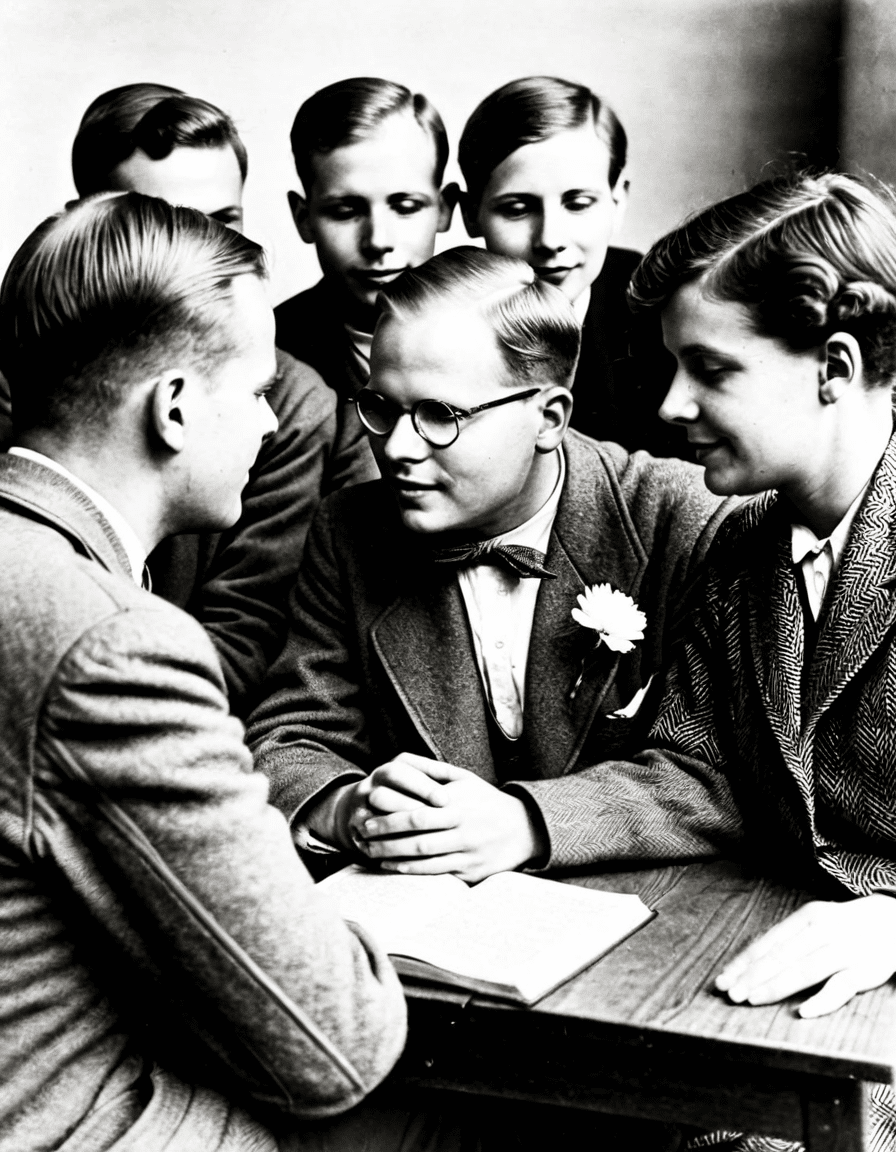
In the fascinating field of psychology, Sigmund Freud stands out like a flickering light bulb in a dimly lit room. His groundbreaking theories on psychoanalysis and dreams have reshaped how we understand ourselves, our motivations, and even the inner workings of our minds. Freud didn’t just give us tools to analyze our thoughts; he opened the door to a new world of understanding what lies beneath our conscious narratives. His ideas have seeped into popular culture, influencing not only therapists but also filmmakers and artists—shaping stories we’ve come to adore.
Freud claimed that our dreams are the “royal road to the unconscious,” which is as dramatic as it sounds! He delved deep into the symbols and meanings that lie within our dreams. This exploration has been a goldmine for filmmakers, inspiring countless movies that blur the lines between reality and dream states. Even if you’re just a casual movie fan, you might have stumbled upon his influence in unexpected places. Whether it’s heart-wrenching dramas or mind-bending thrillers, Freud certainly left his mark on the cinematic landscape.
As we dive deeper into Freud’s legacy, it’s essential to look at the profound contributions he made to modern psychology. Have you ever wondered how these ideas manifest in our favorite films? Are there characters out there who grapple with Freud’s theories? Sit tight because we’re about to explore all that and more!
5 Profound Contributions of Sigmund Freud That Shaped Modern Psychology
Freud flipped the script on our understanding of the mind, and here are five of his contributions that made waves:
Freud introduced the notion that our conscious thoughts are just the tip of the iceberg. The vast majority of our mental processes slip beneath the surface, swimming away unnoticed. This idea reshaped therapeutic practices, leading to methods that dig deeper into behavioral roots and motivations. You might catch a glimpse of this in films where characters are often wrestling with hidden desires or suppressed emotions, giving us plenty to chew on!
Remember tossing and turning after a bizarre dream? Freud taught us that these dreams might be more significant than they seem. He pioneered dream analysis, interpreting symbols that could unveil hidden anxieties or suppressed wishes. This method has heavily influenced filmmakers who often create surreal dream sequences, making us question what’s real. Movies like Inception play with these concepts, making us scratch our heads and entertain new possibilities.
Freud’s innovative approach ushered in a new age of therapy, emphasizing dialogue between patient and therapist. This communication style facilitated a safe space where thoughts could flow freely, allowing for the exploration of repressed memories. You can think of characters in films like “The Sopranos,” where our protagonist, Tony Soprano, looks for healing through his sessions with Dr. Melfi—classic Freud in action!
Freud’s exploration of defense mechanisms like denial, projection, and repression reshaped how we understand human behavior. These coping strategies help us manage anxiety and navigate the tumult of life. They frequently pop up in films as characters consciously or unconsciously protect themselves from reality. Like when a character’s bravado masks a deeper insecurity—classic life, classic Freud!
Freud’s theories didn’t just stop at the therapist’s couch. They spilled over into popular media, impacting writers, directors, and actors alike. Celebrities like David Duchovny, known for his role in “The X-Files,” have woven Freudian themes into their narratives. And let’s not forget Julia Louis-Dreyfus, whose characters often reflect the intricate layers of psychology, mirroring Freud’s observations of human behavior and neuroses.

Cinematic Encounters with Freud: Appearances by Stars Like Walter Matthau and Richard Dreyfuss
Helen Keller said that “life is either a daring adventure or nothing at all,” and thank goodness filmmakers chose adventure! The influence of Freud can be seen across various roles played by distinguished actors like Walter Matthau and Richard Dreyfuss.
Cinematic storytellers have a unique way of presenting Freud’s ideas. When you sit down with popcorn ready, you might find yourself not just entertained but also contemplating the deeper meanings behind the plot twists and character arcs.
The Legacy of Sigmund Freud in Contemporary Society
Freud’s work continues to resonate, flowing seamlessly into the fabric of modern therapy and the arts. Many contemporary therapists blend Freud’s insights with modern approaches like cognitive-behavioral therapy (CBT). This synthesis allows for a well-rounded understanding of human behavior and emotion, creating more holistic healing pathways.
In today’s films and shows, you can still spot characters grappling with Freudian conflicts. Think about dramas like “Black Swan,” where desire and morality clash in a visually stunning narrative. As characters navigate their dreams and aspirations, they confront themes of anxiety and societal pressure, echoing Freud’s examinations of the self.
Freud expanded our ability to articulate how we feel, making it possible for counselors and fans alike to share valuable conversations about mental health. He laid the foundation for ongoing dialogues, influencing everything from the narratives in streaming giants to the way we understand ourselves.

An Enduring Impact: Freud in 2026 and Beyond
Zooming into 2026, Sigmund Freud’s influence remains vibrant. His investigation into the human psyche shines through in modern discussions about mental health, examining how we respond to societal norms and expectations. With mindfulness gaining traction, understanding the subconscious isn’t just reserved for scholars—it’s more relevant than ever, interwoven into the everyday lives of individuals looking to better themselves.
As we continue to debate, explore, and reshape the conversations around mental welfare, Freud’s contributions inspire fresh generations of thinkers, artists, and psychologists. He encouraged us to unravel the complexities of our minds, revealing layers that shape how we perceive and interact with the world around us.
Freud’s brilliance isn’t only about the interplay of ids and egos; it’s about how his insights have transcended time and genre. From cult classics to blockbuster hits, his principles continue to imbue storytelling with depth. So, the next time you settle down to watch The Grinch (2000) or binge a series, ask yourself: what Freudian layers are at play here? Because behind the laughs and thrills lies an intricate dance of dreams waiting to be unveiled.
Fascinating Trivia About Sigmund Freud
The Man Behind the Theory
Did you know that Sigmund Freud was not just a psychoanalyst but also an avid art enthusiast? His fascination with art often influenced his work on dreams. Freud believed that analyzing dreams could reveal hidden wishes. Speaking of art and dreams, if you find yourself daydreaming about a modern musical, you might want to check out West Side Story, which echoes themes of love and struggle, much like the inner conflicts Freud described. Meanwhile, just like how artists express emotions, some performers like Ellie Goulding convey deeper sentiments through their music.
Freud’s early career had a significant impact, particularly during his time as a neurologist. He would later return to his scholarly roots, focusing not just on psychological theories but also treating patients. This dedication to understanding the human mind resembles how some individuals might react in surprising situations, kind of like the recent Kensington Metropark alligator sighting. The unexpected can lead to profound insights if you look closely enough, a lesson Freud taught us about our subconscious.
Influence and Legacy
Freud’s theories have permeated not just psychology but also pop culture. Take, for instance, how figures like Diplo have spoken about mental health, reflecting some of Freud’s thoughts on the complexities of the human condition. While Freud was pioneering in his work, his ideas faced criticism and evolution, much like Miley Cyrus’ artistic transformations over the years—both pushing boundaries in their respective fields. And while we’re on the topic of dreams, everyone’s got a favorite holiday movie. If you’re nostalgic, you might want to watch The Grinch 2000, a delightful reminder of the power of imagination and dreams.
The popularization of Freud’s concepts, including the ego and the id, opened doors for diverse interpretations and adaptations across various mediums. Such creativity also invites people into experiences—not unlike how dance can gather communities. If you’re interested, look for dancing near me events to explore the emotional expressions of movement, akin to Freud’s examination of the psyche. At the end of the day, Sigmund Freud’s legacy is a testament to the enduring curiosity regarding the human experience, urging us to delve deeper into our own complexities.