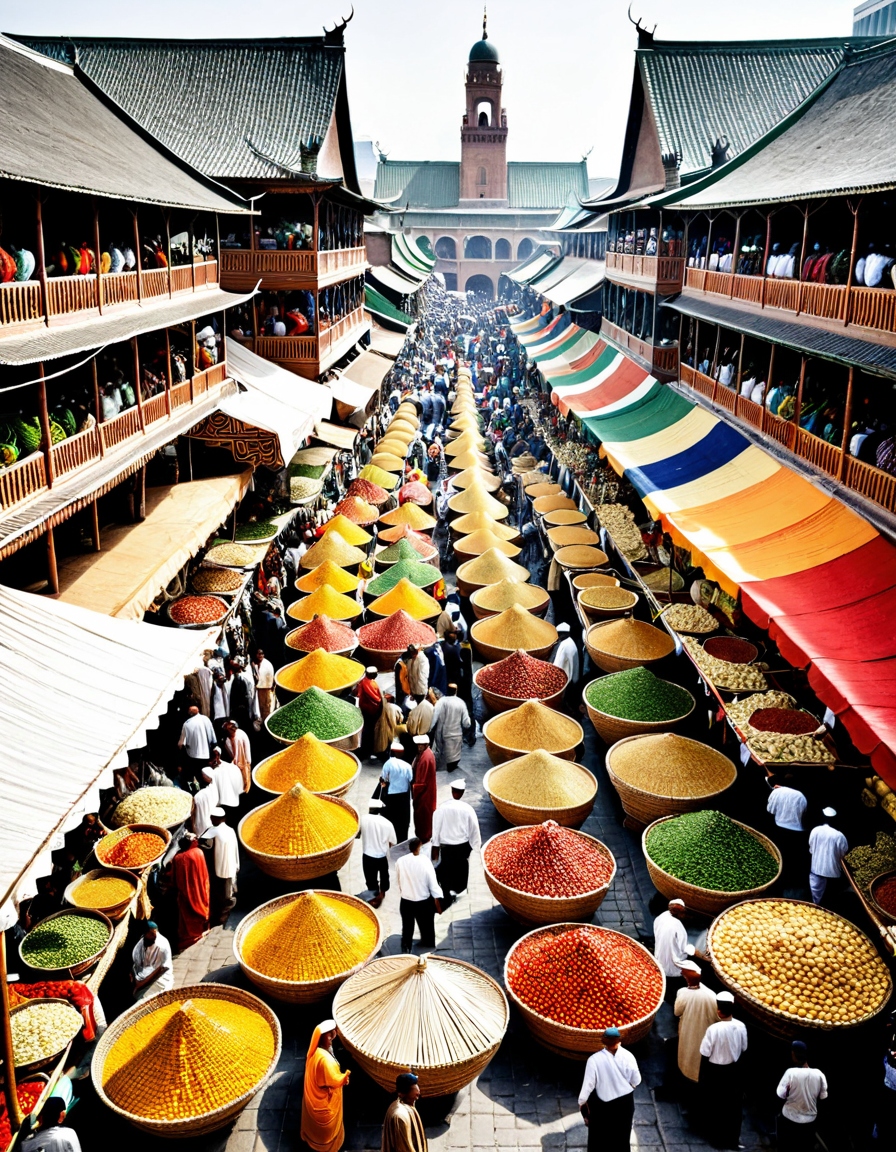
The term “empire” conjures images of deep-rooted legacies and grand narratives shaped by power, conquest, and cultural blending. Throughout history, various empires have not only controlled vast territories but also transformed the societies under their rule. Their influence extends far beyond their borders, marking their place in our cultural DNA. Today, we’ll explore a captivating journey through top seven empires that not only reshaped history but also made profound impacts on our modern-day lived experiences.
Top 7 Empires That Transformed History and Culture
1. The Roman Empire: The Birth of Law and Governance
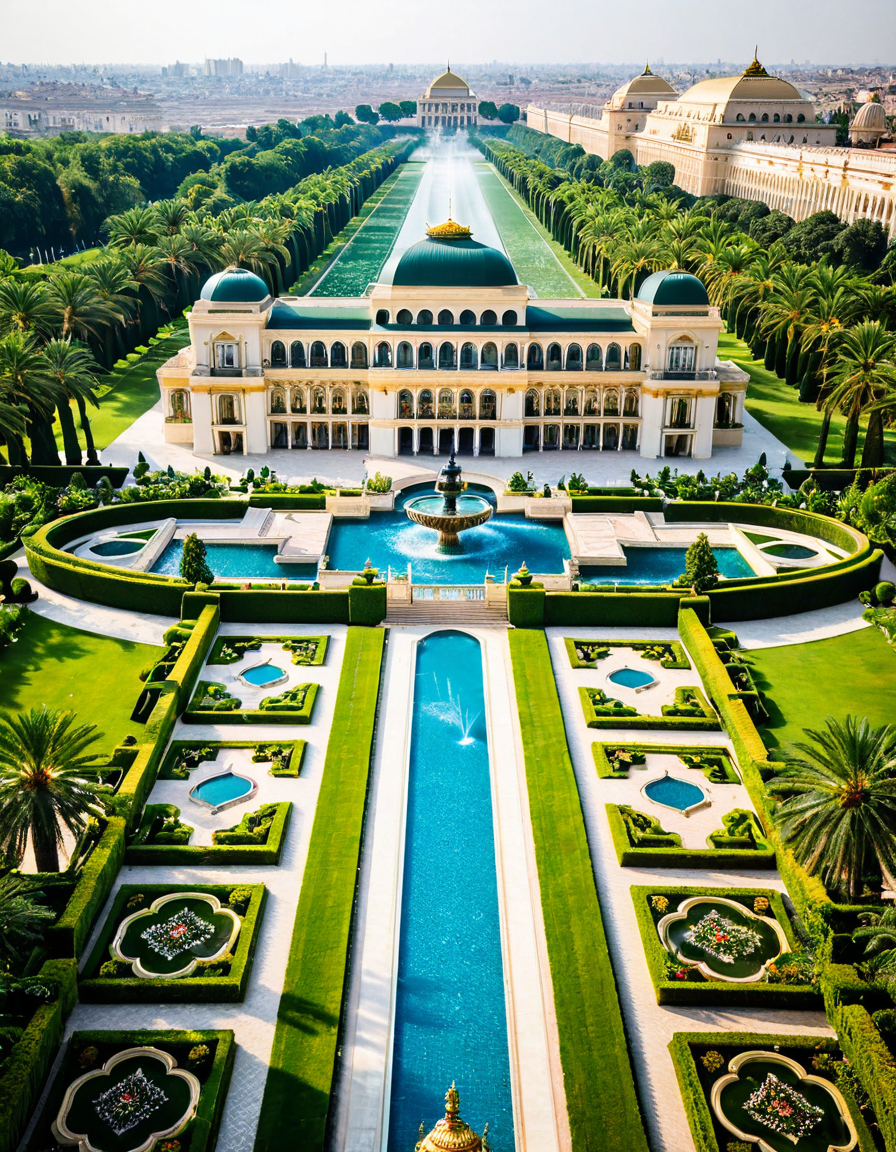
The Roman Empire (27 BC – 476 AD) was a trendsetter in governance and legal systems, leaving behind a legacy that still resonates in today’s courts. The codification of laws, including the famous Twelve Tables, laid the groundwork for modern judicial principles. Can you imagine a world without legal rights? Roman architecture, like the Colosseum, and infrastructure such as aqueducts and roads, created vital channels for trade and cultural exchange. These advancements didn’t just connect regions; they fostered the idea of citizenship and community, enriched by diverse peoples sharing knowledge and practices that shaped Europe.
2. The Mongol Empire: Spreading Knowledge and Commerce
The 13th-century Mongol Empire, spearheaded by Genghis Khan, expanded to become one of the largest contiguous empires ever seen. The empire emphasized trade and intellectual exchange, establishing the Pax Mongolica, which made routes along the Silk Road safe and accessible. This created a melting pot of ideas, such as innovations in technology and cultural practices that connected the East and the West. Who would’ve thought that a horseback ride through the steppes could lead to the globalization we experience today?
3. The Ottoman Empire: Bridging East and West
Spanning from the 14th century to the early 20th century, the Ottoman Empire was a cultural crossroad, uniquely blending diverse cultures and religious practices. Its architectural genius is visible in stunning mosques featuring elegant domes and towering minarets, influencing countless future designs. The Empire’s relaxed legal systems provided a harmonious coexistence of various faiths, creating a multicultural mosaic that enriched the Middle East and Southeast Europe. Have you ever wandered through Istanbul and felt the ambiance of so many different stories intertwined?
4. The British Empire: Colonial Ambitions and Cultural Exchange
The British Empire (16th century – mid-20th century) became the largest empire ever, its reach stretching across continents. While British colonialism often hurt local populations, it also ignited a cultural exchange that left a mark on language, literature, and cuisine. From Shakespeare to curry, the British influence reshaped local customs, showcasing a complex legacy. They may have exploited resources, but they also introduced many positive aspects of governance and sustainability into former colonies, modifying their identities forever.
5. The Spanish Empire: The Age of Exploration and Conquest
The Spanish Empire, peaking in the 16th century, opened the floodgates to the Age of Exploration. Its grand voyages led to significant global exchange of goods and ideas, dubbed the Columbian Exchange. Though the empire imposed its language and Catholic faith on indigenous people, it also embraced the rich tapestry of native cultures, contributing to the colorful identities of many Latin American countries today. Exploring this era is like watching a compelling film that mixes adventure with profound ethical questions.
6. The Byzantine Empire: Preserving Ancient Knowledge
Rising from the remnants of the Roman Empire, the Byzantine Empire (330 AD – 1453 AD) was essential for preserving ancient texts and knowledge, acting as a bridge to the Renaissance. Its artists and scholars played critical roles in developing philosophical and political theories still debated today. The empire utilized Greek Orthodox Christianity to shape Eastern Europe’s cultural identity, ensuring that millions find spiritual meaning rooted in ancient traditions.
7. The Persian Empire: Architectural Marvels and Cultural Fertility
The Persian Empire (circa 550 – 330 BC) was known for its innovative architectural designs, such as the stunning ruins of Persepolis. This empire is also credited with developing one of the first postal systems, revolutionizing communication across vast territories. Their ingenuity didn’t stop there; the empire’s advancements in agriculture and art fueled a renaissance-like cultural blossoming that influenced more than just memories but inherently shaped future civilizations. How cool is it to think that paper trails once connected such great dynasties?
Lasting Reflections of Empire in Modern Society
Fast forward to our interconnected world in 2026—can you see the impact of these empires in our society today? The governance principles birthed from Roman law still underpin our democracies, while the British colonial experience affects global trade relations. Ethical frameworks trace back to these empires, shaping how we interact in diverse societies.
Even in entertainment, we witness the enduring legacies of these empires. Consider series like “Power Book IV: Force,” which blends themes from various historical contexts, or films like Do The Right Thing that revisit essential debates on cultural identity and ethics. Reflecting on the influence of these empires within modern cinema enriches our understanding of storytelling’s role in society.
Dissecting these mighty entities reveals not just tales of conquest but also stories of exchange, innovation, and transformation. History will always beckon us to learn from the past, reminding us how intertwined our modern lives are with the empires that came before us. So when you tune into Love Island UK or catch up on Wwe raw remember the intricate web of influences that shapes these narratives, which echo so many complex civilizations before us.
In the end, whether through literature passed down generations or groundbreaking films showcasing cultural narratives, the impact of these historical empires remain deeply embedded within our cultural landscapes. Their legacies not only enrich our world but also urge us to ponder: how will we shape our empire for future generations?
Empire Wonders: Trivia that Shaped History and Culture
A Journey Through Realms of the Empire
Empires have always been fascinating, don’t you think? They’ve influenced culture, language, and lifestyles for centuries. One jaw-dropping tidbit is that the British Empire was so vast it was once said, “The sun never sets on the British Empire.” How’s that for taking over the world? The impact of this empire was immense, affecting everything from the English language to pop icons like Miley Cyrus, whose music career reflects diverse cultural influences stemming from this colonization wave.
Moreover, did you know empires often changed not just politics, but also the arts and sciences? Ancient Rome is another great example; they built magnificent structures, like the Colosseum, that still inspire creativity today. It’s interesting to note that the legacy of these empires, whether it’s through theater arts, like Billie Burkes delightful performances, or modern storytelling, are evident today. Just as new stories find their way into the hearts of audiences, the foundations laid by past empires shape the narrative of modern culture.
Modern Empire Narratives
Like the lasting tales from ancient times, contemporary series reflect this blending of histories too. For instance, the gripping series “Power Book IV: Force” taps into themes of power, loyalty, and ambition—traits that have characterized many empire leaders throughout history. It’s captivating how these themes are age-old yet still resonate with today’s viewers, echoing how empires used to operate. As we binge-watch and analyze these narratives, it’s clear they enable us to understand the patterns of power and society over generations.
And let’s not forget the fascinating role of health and well-being in cultural shifts. Organizations like Elara Caring show how caring for communities plays into the legacy of empires. Just like the inviting ambiance of a Sarabeth ‘s can enrich one’s experience, caring and nurturing can profoundly impact the themes within our modern tales. Every piece of trivia, from historical rulers to modern series, reflects the nuanced dance of influence that empires have set into motion through time.
Historical Threads Unraveled
The connection between various pieces of art, music, and storytelling is wrapped into the fabric of empires. Speaking of threads, films like Bloodhounds delve into modern narratives of strife and ambition, revisiting themes prevalent in empire history. Much like the unfiltered courage of the characters, the essential human emotions echo those felt across the ages, proving that the complex story of humanity is far from finished. Whether through storytelling or community engagements, the shadow of empires continues to shape where we are headed. Isn’t it incredible how the past informs the present?