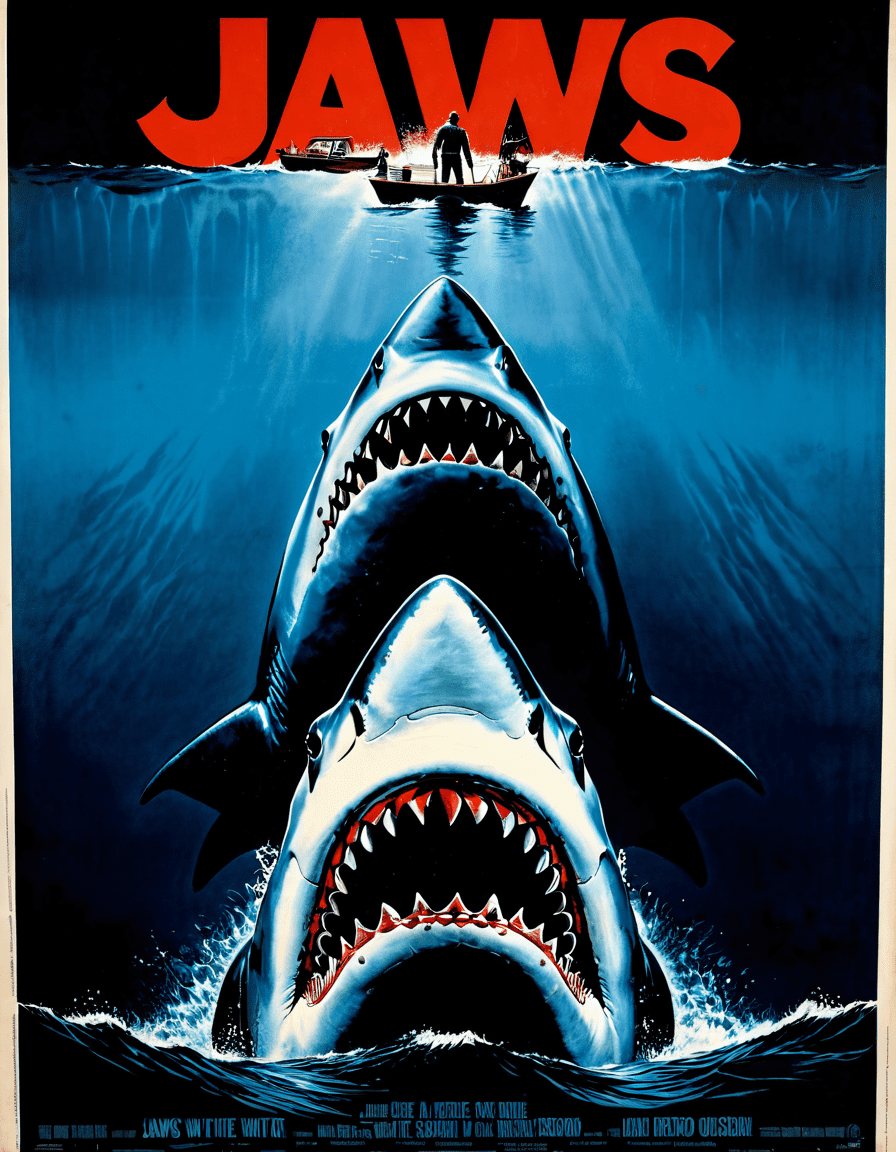
The release of Steven Spielberg’s Jaws in 1975 was nothing short of revolutionary. This iconic film not only redefined the horror and thriller genres but also cemented how the world viewed sharks, particularly the great white shark (Carcharodon carcharias). With its masterful storytelling and edge-of-your-seat suspense, Jaws turned a quiet beach town into the epicenter of a cultural phenomenon. Today, the legacy of Jaws continues to influence both media and conservation efforts, instilling a compelling mix of fascination and fear in the hearts of viewers.
Top 7 Impacts of ‘Jaws’ on Pop Culture and Shark Conservation
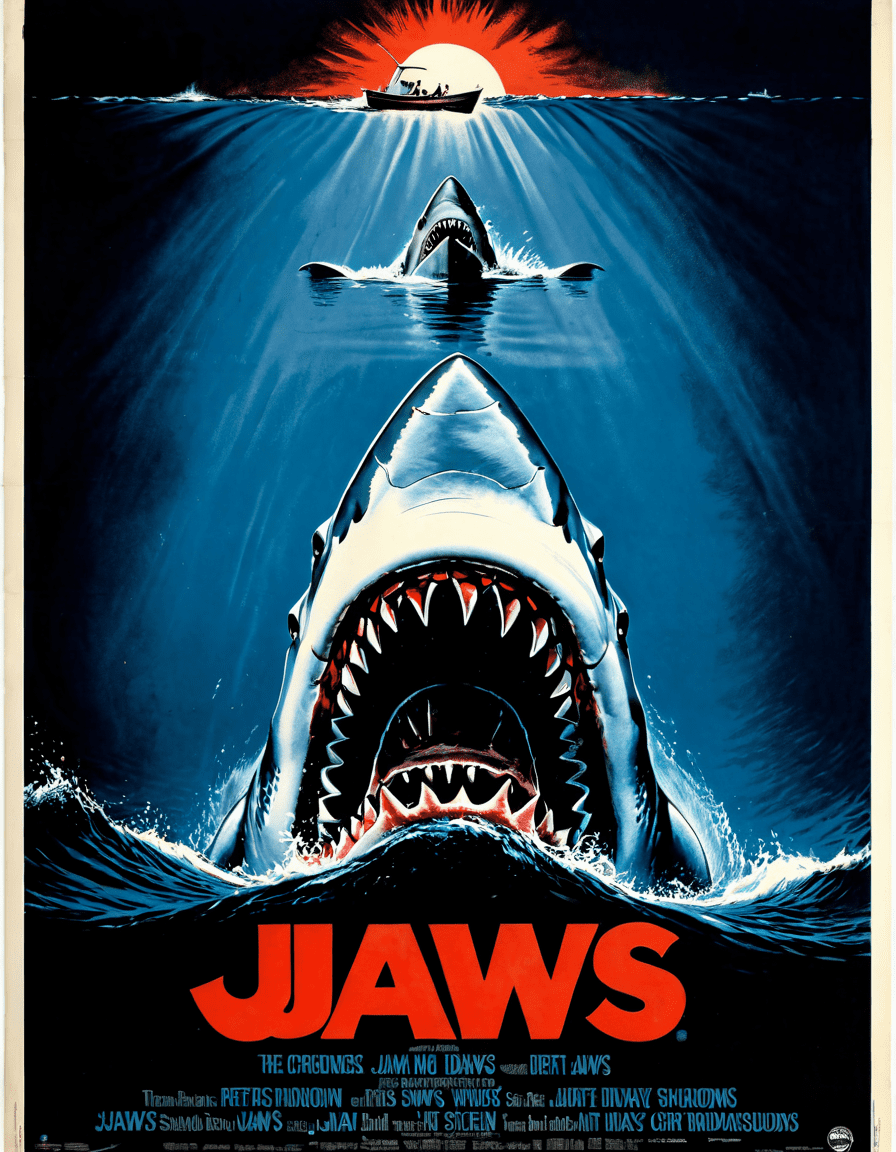
1. The Birth of the Summer Blockbuster
Jaws was the first film to gross over $100 million at the box office, forever altering Hollywood’s summer movie landscape. Its unparalleled success showcased the potential of big-budget films, prompting studios to rethink their marketing and distribution strategies. The film’s clever release during the summer season laid the groundwork for what we now call the summer blockbuster—think of all those superhero movies that followed!
2. Shaping Public Perception of Sharks
Historically speaking, sharks had a relatively low profile before Jaws hit theaters. After the film debuted, sharks morphed into dreaded man-eaters in the public eye, thanks to the terrifying portrayal of the great white. This damaging stereotype had real consequences—shark populations plummeted as they faced increased hunting and fishing, driven by societal fears ignited by the film. Scary, right?
3. The Rise of Shark Week
Fast forward to 1988, and the impact of Jaws was so profound that it birthed Shark Week on the Discovery Channel. This annual programming event has made a significant shift, evolving public perception from sheer terror to enthusiastic curiosity. It educates the masses about great white sharks, focusing on their behavior, biology, and ecology, a much-needed change that brings with it newfound appreciation.
4. Influencing Future Filmmakers
Jaws set the standard for a slew of disaster movies that followed. Films like Deep Blue Sea and the ridiculously fun Sharknado series played on our primal fear of nature and the unknown. It’s evident that Spielberg’s classic remains a strong influence on filmmakers who continue to tread the waters—pun clearly intended—of shark-related narratives.
5. Conservation Campaigns and Changing Narratives
In the last couple of decades, several organizations have stepped up to advocate for shark conservation. Movements challenging the misconceptions started by Jaws are gaining traction. Groups like Oceana are fighting to protect shark habitats and promote a balanced understanding of their role in ocean ecosystems. Exciting, isn’t it, to see shifts in perception surfacing through grassroots efforts?
6. Great White Shark in Modern Media
Contemporary depictions of great white sharks differ vastly from those in Jaws. Documentaries such as Sharkwater by Rob Stewart strive to showcase these majestic creatures as crucial to our oceans. By focusing on their importance and addressing threats to their survival, modern media is creating a platform that shifts the narrative from fear to respect.
7. Social Media and Viral Shark Content
With social media buzzing louder than ever, clips of friendly shark encounters have found their way onto platforms like Instagram and TikTok. These fun videos help reshape the public image of sharks, showcasing them in charming and educational ways. Influencers, while providing reliable information, take a step back from the fear-mongering that Jaws perpetuated, making the great whites a topic of fascination rather than fear.
The Evolution of Shark Myths and Realities
How did we end up with such a warped view of sharks? The representation in Jaws created a mythos around these creatures that often oversimplifies the realities. Recent research has demonstrated that shark attacks are exceptionally rare; the International Shark Attack File reported an average of only 80 unprovoked attacks each year. This statistic challenges the sensationalism crafted by Jaws, highlighting the need to prioritize shark conservation and debunk harmful myths.
Moreover, marine biologists are hard at work unraveling the intricacies of great white behavior. Using advanced tagging technology, they’ve charted their migratory patterns and diet, painting a more accurate picture of these misunderstood animals. Understanding this biological narrative is vital for effective conservation strategies and ensures we protect our oceans’ ecosystems.
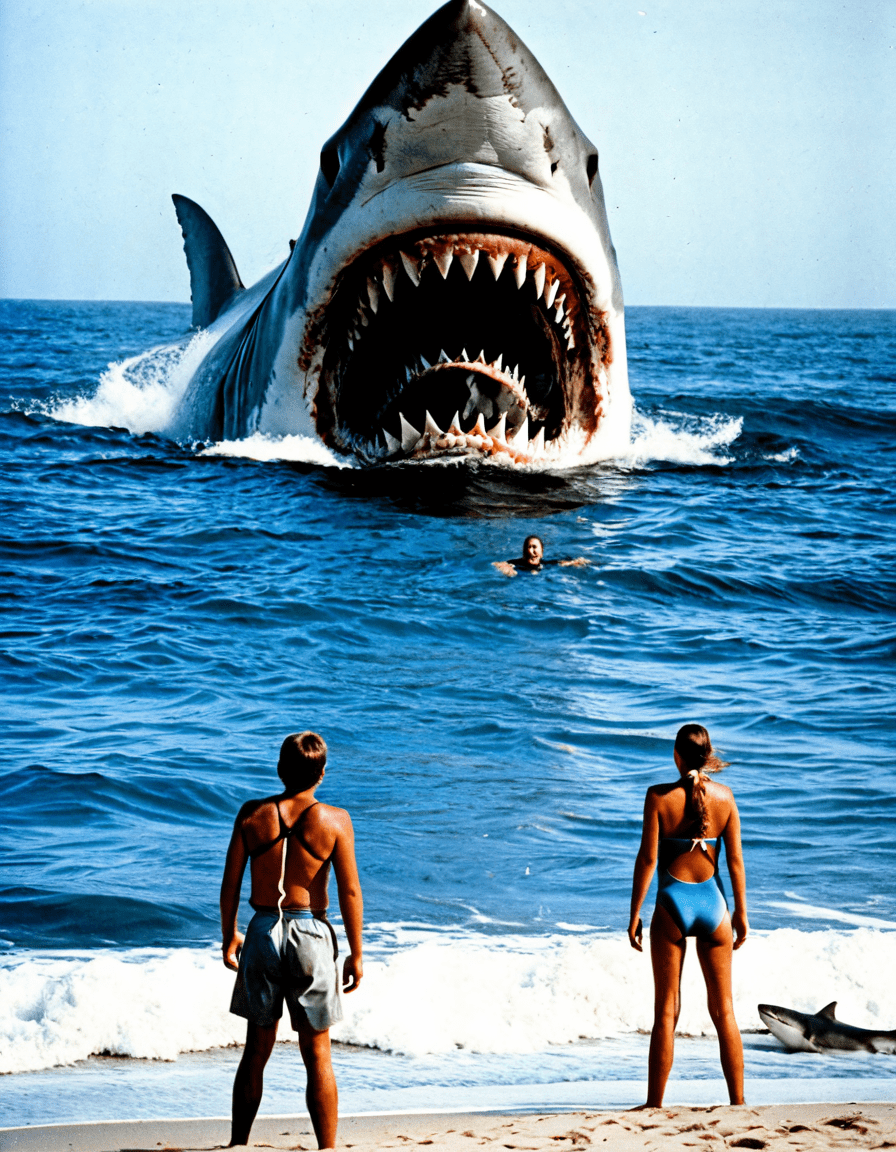
Cultural Reflection: The Ongoing Legacy of Jaws
The enduring legacy of Jaws is complex, revealing humanity’s intricate relationship with nature—both fearful and fascinated. As we deepen our knowledge about great white sharks, we begin to confront the paradox Jaws presents. On one hand, it remains a thrilling cinematic experience; on the other, it’s a stark reminder of how media can misrepresent a species and impact public opinion.
With growing awareness surrounding environmental issues, the conversation about sharks is starting to shift. Audiences are becoming more attuned to appreciating sharks in their natural habitat rather than viewing them as villains. While Jaws undeniably reshaped our cinematic landscape, modern audiences are taking steps toward a narrative that’s more accurate and considerate of these ocean titans.
As we look ahead, the language surrounding great white sharks will continue to adapt. Aiming for a portrayal that combines education and appreciation could be the key to preserving these incredible creatures. The challenge lies in finding balance—reflecting cinema’s captivating power while promoting a responsible appreciation of one of the sea’s most formidable inhabitants.
In conclusion, Jaws isn’t just a movie; it’s a lens through which we can explore our evolving understanding of sharks and the ocean. So the next time you sink your toes in the sand, remember: it’s not all about fear; it’s also about respect and a little bit of love for one of nature’s most awe-inspiring creatures.
Jaws: The Terrifying Legend of the Great White Shark
The Shock of Reality
When “Jaws” hit theaters in 1975, it didn’t just scare audiences; it also ignited a cultural phenomenon surrounding sharks that’s still felt today. Did you know that the original shark used in the film was an innovation of engineering? This mechanical marvel was affectionately dubbed “Bruce,” and it broke down multiple times during filming, causing director Steven Spielberg to shift focus to suspense, which turned out to be a happy accident for suspense-loving viewers. It’s no wonder that 48 years later, folks still vibe with shark films, despite the fact that many people still make unhealthy Choices about swimming in shark-infested waters.
Behind the Scenes Secrets
This classic wasn’t just a hit at the box office; it was also groundbreaking in special effects. The tension building techniques Spielberg employed are often studied in film schools. In interesting trivia, for those into cinematic lore, you might find it amusing to know that Bruce was originally a 17-foot long animatronic shark, which brought fears to life. The film undeniably played on the primal fear of the ocean and creatures lurking underneath, much like how the “Dark Knight” cast captivated audiences with its portrayal of fear and chaos.
Of course, the film’s legacy has lasted for decades. For instance, a 2025 reboot called “The Crow” is on the horizon, gearing up to attract a new generation of horror and thrill seekers. Just as audiences are eager to revisit classic horrors, they also remain curious about the wider universe of shark films inspired by “Jaws.”
Continuing the Legacy
Even as years roll on, “Jaws” remains a benchmark for suspenseful storytelling. The film transformed films into summer blockbuster season as a business model. It also laid the groundwork for countless imitators and inspired narratives in entirely different genres. Is your weekend plan to dive into some thrilling viewing? If you’re into that sort of thing, checking out James Marsden Movies And TV Shows might bring some delightful surprises since he often tackles characters thrown into unusual predicaments, reminiscent of the terrifying scenarios in “Jaws.
Moreover, even the passion for thrillers can feel alive today—like the craziness brewing with shows such as the upcoming Zom 100 episode 6, where survival and horror ironically crash into each other. Whether it’s the classic Days Of Thunder vibes or the striking uncertainty inspired by anxiety from movies like “Jaws, all we can say is: the legacy of this iconic film indeed has teeth!