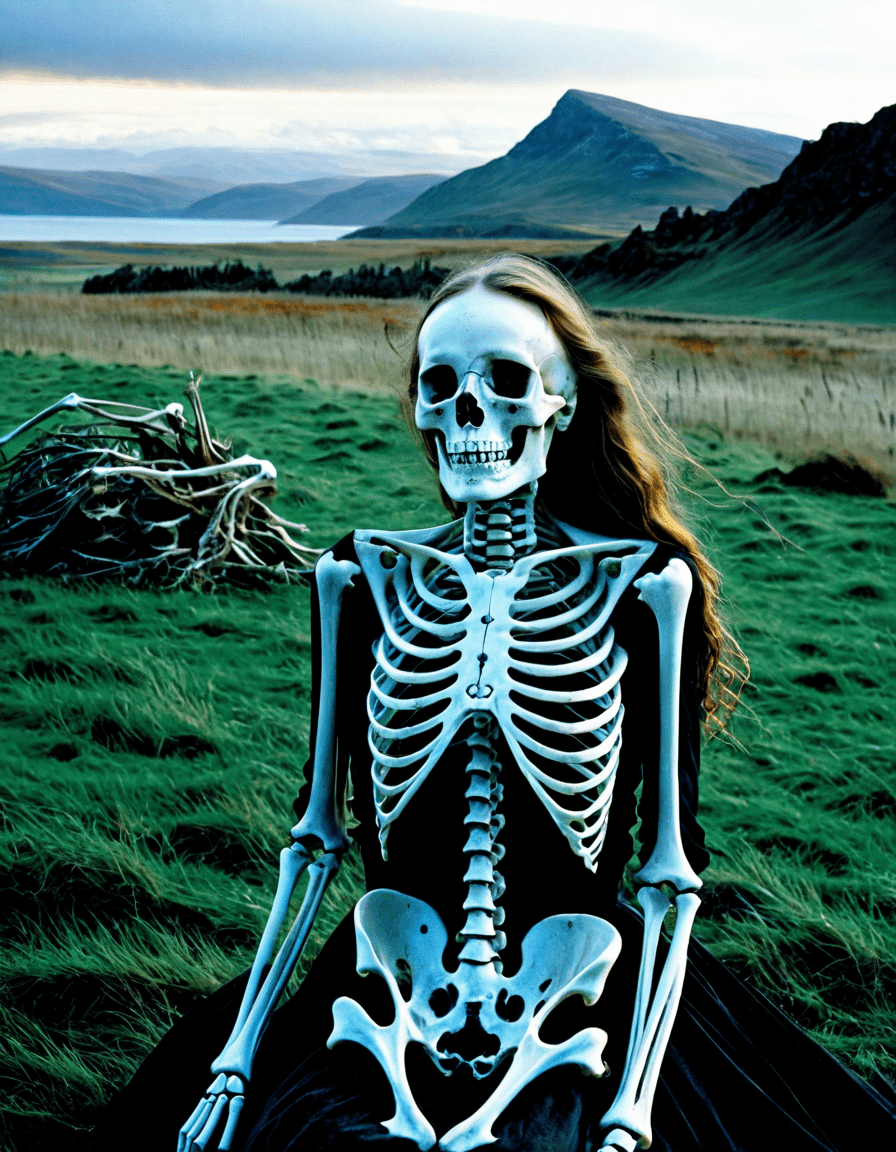
In 2026, The Lovely Bones stands as a poignant tale infused with deep emotional resonance. Adapted from Alice Sebold’s novel, the film directed by Peter Jackson captures the haunting narrative of Susie Salmon, a young girl who becomes a spirit observer after her tragic murder. This blend of heartache and ethereal storytelling speaks to the very core of human experience—loss, grief, and the quest for healing.
The story beautifully encapsulates the struggle to process untimely death, illustrating Susie’s journey through both the physical world and an otherworldly afterlife. As we dive deeper into its emotional landscape, we explore how the narrative shapes and reshapes the perceptions of loss, not only for Susie’s family but also for us, the audience. This exploration goes beyond mere melodrama, weaving heartfelt echoes into our collective consciousness.

1. The Emotional Core of The Lovely Bones
At its very essence, The Lovely Bones interlaces gripping emotions that tug at our heartstrings. Susie’s transition from vibrant life to a haunting afterlife is not just a plot twist but a powerful statement on how loss can shatter the normalcy of life. Throughout the film, we witness how her family grapples with the aftermath of her death, highlighting their individual processes of grief.
Susie’s experience resonates universally, showcasing themes of sorrow and acceptance. For instance, her father, Jack Salmon, played by Mark Wahlberg, becomes a shadow of his former self, consumed by the need for revenge and the desire to communicate with his lost daughter. This character arc brilliantly portrays how grief can manifest in various forms, often lending itself to destructive paths.
The emotional potency is amplified by stunning cinematography that elevates simple moments into profound memories. As we drift through Susie’s dreamlike afterlife, we understand her frustration, loss, and indomitable spirit. With every frame, The Lovely Bones invites us to reflect on our own experiences of grief and healing.

2. The Lovely Bones vs. The Righteous Gemstones: Contrasting Themes of Grief
When we juxtapose The Lovely Bones with the darkly comedic series The Righteous Gemstones, we enter a fascinating conversation about grief and morality. While The Lovely Bones delves into the intense tragedy of murder and its aftermath, The Righteous Gemstones offers a satirical take on familial relationships within a dysfunctional family empire.
In The Lovely Bones, the specter of Susie’s tragic fate looms over her family, acting as a catalyst for their turmoil. Each character’s journey through grief is profound and serious, emphasizing the haunting presence of lost potential. On the other hand, The Righteous Gemstones turns to humor as characters navigate the chaos of their flawed existence, finding laughter in dysfunction. The contrasting tones provide a roundabout exploration of how different narratives handle the weight of grief while showcasing cultural attitudes toward trauma.
This diverse storytelling approach sparks discussions about how humor can mitigate sorrow or amplify it through irony. While one story keeps the audience tethered to their emotions, the other encourages us to confront dysfunction with a wry smile. The interplay between these themes promotes a broader understanding of grief in cinematic narratives.
3. The Cultural Resurgence of The Lovely Bones in Popular Media
Fast-forward to 2026, and The Lovely Bones is experiencing a vibrant resurgence in cultural conversations, mainly through social media platforms like TikTok and Instagram. Audiences have developed a renewed fascination with Susie’s story, reflecting an emotional connection across generations. Fan art and poignant discussions flood these platforms, showcasing how the narrative continues to resonate, reminding us all of the themes of loss and hope.
As new generations uncover the story, they’ll often connect with its emotional truths, creating trends around the sorrow and beauty captured in Susie’s journey. This cultural resurgence isn’t just a flash in the pan; it speaks to the enduring significance of the story. Whether through powerful reenactments or personal reflections shared within communities, The Lovely Bones remains relevant, sparking necessary conversations surrounding themes of grief and resilience.
Moreover, the re-exploration of the film also instigates a broader dialogue about how art can reflect society’s understanding of tragedy. In the current landscape, the poignant sadness depicted in The Lovely Bones resonates deeply, especially in a world that often grapples with loss, equally reminding us of the fragility but also the beauty of life.
4. The Lasting Legacy of The Lovely Bones: Critical Acclaim and Box Office Performance
Upon its release, The Lovely Bones garnered a mixed response from critics, reflected in its 36% rating on Rotten Tomatoes compared to a higher IMDb rating of 6.7. However, its global box office success, grossing over $93 million against a $65 million budget, signifies its commercial impact. It caught viewers with its unique premise, which blended heart-wrenching storytelling with stunning visuals.
Despite the polarizing critical reception, the film has carved out an enduring legacy, one that continues to influence discussions around adaptations of literary works. It raises the question of what makes an adaptation “successful.” While some viewers resonated with the emotional depth and beauty of the visual storytelling, others critiqued it for straying from the novel’s intimate tones.
The critical responses also sparked further analyses that continue to shape conversations in film studies and adaptations. Reflection on this film illustrates the complex relationship between audience expectations, source material fidelity, and cinematic interpretation—elements significant for any movie aficionado.
5. Exploring Adaptations: What Made The Lovely Bones Unique?
The Lovely Bones subverts typical adaptation expectations by embracing bold creative choices. Unlike other adaptations, such as The Great Gatsby or It, which often adhere closely to their source material, Jackson’s take integrates vivid visual effects that amplify the ethereal quality of Susie’s afterlife.
Saturated colors and a surreal aesthetic captivate viewers, breathing life into the story in ways the book’s pages can only hint at. In contrast, many other adaptations struggle to capture the essence of their source, leaning too heavily on text. The Lovely Bones thrives on its cinematic storytelling, enabling emotional weight through visual language rather than mere dialogue.
Cinematography, casting choices, and artistic liberties combine to create a unique interpretation, proving that a film can stand alone while gracefully nodding to its origins. This lesson resonates throughout the film industry, encouraging creators to weigh the significance of visual storytelling alongside narrative fidelity.
6. The Psychological Implications of The Lovely Bones: A Study of Grief
Delving deeper, The Lovely Bones taps into the psychological facets of grief, allowing audiences to traverse the arduous journey of dealing with loss. Research on grief suggests it represents a complex emotional state, including denial, anger, and eventual acceptance—a cycle vividly mirrored in the characters’ experiences.
Psychologists emphasize how storytelling can serve as a cathartic tool for audiences grappling with similar emotions. Using real-life psychological theories connected with grief and trauma, the film aids viewers in confronting their fears of losing loved ones and the subsequent healing process. As Susie navigates her loss, audiences often find their experiences echoed in her struggles.
The communal experience of watching such a narrative promotes shared healing, showcasing how art can bridge individual experiences and foster a connection. The Lovely Bones not only entertains but provides solace, standing as a reminder that healing is a journey paved by empathy and understanding.
7. The Future of The Lovely Bones: A Look Ahead
Now, one wonders how the legacy of The Lovely Bones can evolve moving forward. Considering current societal conversations surrounding justice, loss, and redemption, there’s certainly space for exploring Susie’s world in new formats—perhaps as a limited series or animated adaptation.
Amid rising interest in reimagining classic narratives, productions could expand on the themes of hope or follow the intertwined fates of the Salmon family and their journey after Susie’s tragic fate. We can look to recent revivals across cinema, such as the Twin Peaks revival, to recognize a growing appetite for revisiting poignant storytelling rooted in intricate emotional landscapes.
Ultimately, The Lovely Bones continues to resonate not only through its raw beauty but also its ability to evoke conversations that society desperately needs. As we reflect on grief, justice, and hope in the face of despair, this narrative shines brightly, reminding us that stories have power—power to heal, transform, and endure.
The journey of The Lovely Bones is not finished. It’s a reflection of society’s ongoing engagement with profound themes, and its continued relevance ensures that we keep finding meaning in its emotional depths, thus securing a place in the annals of impactful narratives.
The Lovely Bones: Captivates with Heartbreaking Story
A Glimpse Behind the Screen
Did you know that “The Lovely Bones,” directed by Peter Jackson, is based on Alice Sebold’s haunting novel? The film dives into the emotional aftermath of a young girl’s murder and her family’s struggle to cope, making for an unforgettable story. Some might find it reminiscent of classics like The Grudge, where the supernatural intertwines with raw emotions. Interestingly, Jackson’s take on the story blends drama with fantasy, much like how the Outcast deftly balances horror and heart.
Interestingly, the casting of Susie Salmon, played by Saoirse Ronan, was a pivotal moment for the film. Her performance caught the eye of industry legends and completed an intricate puzzle of talent. Speaking of influence, you might be surprised to know that Kiefer Sutherland and Jack Lemmon were both heavily considered for roles at different points in time, showcasing just how many big names envisioned themselves as part of this tragic tale.
The Inspirations and Impact
“The Lovely Bones” pushes boundaries, not just in storytelling but also in visual effects. The ethereal portrayal of the afterlife serves as a metaphor for loss and hope. This has led to significant discussions about grief and healing in more recent films. More recently, the film’s haunting narrative can be likened to the fascination surrounding works like Lawless Cast which tackles dark stories through unique stylistic choices.
Moreover, the film’s themes of family and perseverance resonate deeply, akin to how Axel Ferrell’s works often delve into the nature of human connections in distressing situations. And speaking of connections, the commercial success of “The Lovely Bones” opened doors for many actors. It has become a talking point in discussions about rising stars and has influenced new films that explore similar motifs while still standing apart, blending art with compelling narratives, much like Polo Polo in its refreshing storytelling approach.
The collective journey of the characters in “The Lovely Bones” and the film’s thoughtful execution offers audiences a poignant experience, reminding us how stories, no matter how tragic, can provide valuable insights into our own lives.